Top Temperature and Humidity Calibration Equipment for Buyers?
In the rapidly advancing field of Temperature And Humidity Calibration Equipment, precision and reliability are paramount. Experts play a crucial role in guiding buyers through their choices. Dr. Emily Carter, a leading calibration expert, states, "Choosing the right equipment is essential for ensuring accuracy in environmental measurements."
Buyers often face challenges in selecting the right devices. The vast array of options can be overwhelming. It’s vital to consider factors like calibration range and environmental conditions. Some equipment excels in specific temperature ranges but falls short in others. Buyers must reflect on their particular needs to make informed decisions.
Attention to detail can make a significant difference in performance. Quality equipment not only provides accuracy but also enhances workflow efficiency. Reflection on user reviews and expert recommendations can guide buyers toward optimal choices. Investing time in research ensures that your chosen Temperature And Humidity Calibration Equipment meets expectations and industry standards.
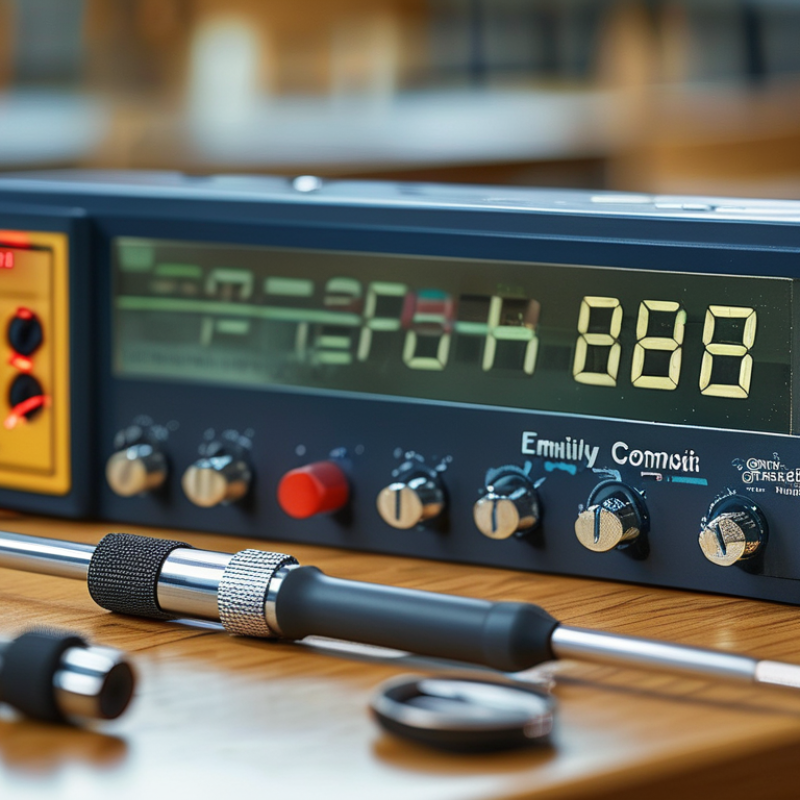
Understanding the Importance of Temperature and Humidity Calibration
Temperature and humidity calibration plays a critical role in various industries. Accurate calibration ensures that measurements align with established standards. This is essential in fields like pharmaceuticals and food production, where slight deviations can lead to significant consequences. According to a report by the National Institute of Standards and Technology, even a 1°C deviation can impact product stability and safety.
Regular calibration can improve the accuracy of your instruments. For example, humidity sensors drift over time due to environmental factors. Ensuring calibration every six months can help maintain instrument reliability. Remember to prioritize calibration as part of your quality management system.
Incorporating high-quality calibration equipment can reduce errors. Studies suggest that using equipment with a lower uncertainty level minimizes potential measurement issues. Investing in reliable equipment is a step toward ensuring compliance with industry standards.
Consider training staff on calibration procedures to reduce human error. Continuous education can yield better results in measurement accuracy. Seek out industry workshops or certifications to enhance understanding.
Key Features to Consider When Choosing Calibration Equipment
Choosing the right temperature and humidity calibration equipment is crucial for many industries. Key features to consider include accuracy, stability, and range. A calibration device must maintain a high level of accuracy, typically within ±0.1°C for temperature and ±1% RH for humidity. This precision ensures reliable measurements vital for product quality.
Consider the stability of the equipment. Instruments that can stabilize quickly will save time in testing and ensure that measurements reflect true environmental conditions. Additionally, versatility is important; equipment that functions across various temperature and humidity ranges enhances usability. According to a recent industry report, over 70% of organizations prioritize equipment that adapts to diverse conditions.
When selecting calibration equipment, look for certifications and compliance with standards like ISO and ASTM. Devices meeting these benchmarks provide greater assurance of quality and reliability.
An important aspect to remember is the user interface. Equipment should be user-friendly, allowing operators to navigate settings easily. Poor interfaces can lead to errors, affecting outcomes. Regular calibration checks are also essential. They help maintain accuracy over time, exposing any drift in performance that may occur. Understanding these factors can lead buyers to make more informed decisions.
Types of Temperature and Humidity Calibration Instruments Available
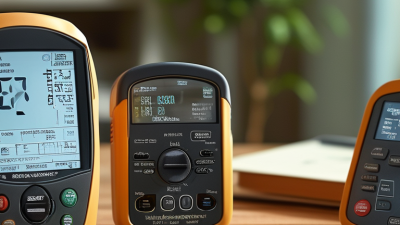
When considering temperature and humidity calibration instruments, a variety of types are available. One popular type is the portable calibration device. These instruments are designed for fieldwork and are essential for professionals who require mobility. They often feature easy-to-read displays and a user-friendly interface. Portable devices can measure various conditions accurately, making them crucial for many applications.
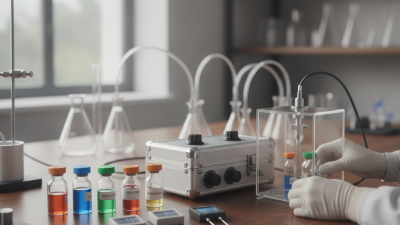
Another important category is benchtop calibration equipment. These instruments offer precision and advanced features. They are typically used in laboratories. Their stability is essential for scientific research and product development. Users often find that benchtop models provide more detailed readings. This can significantly impact analysis and results, although they require dedicated space.
Data loggers are also commonly used for monitoring temperature and humidity over time. These instruments can track changes automatically, providing essential data for long-term studies. However, users sometimes face challenges in interpreting the collected data. Calibration frequency can vary. Professionals must regularly assess whether their equipment maintains accuracy to ensure reliability. Each type of instrument serves specific needs, but choosing the right one requires careful consideration.
Top Temperature and Humidity Calibration Equipment Overview
Top Brands and Models of Calibration Equipment Reviewed
When choosing temperature and humidity calibration equipment, familiarity with leading brands and models is crucial. High-quality devices ensure accuracy and reliability in a range of applications. Brands that excel in engineering and manufacturing frequently stand out. Consider factors like sensor precision, data logging capabilities, and ease of use. Different environments necessitate different features, making research vital.
Calibration equipment needs regular checks for precision. User feedback on various models can provide insights into their performance. A popular choice includes devices with dual sensor technology. These models often offer enhanced stability and accuracy. However, inconsistencies can arise due to environmental interference. Users should always monitor surrounding conditions to maintain calibration performance.
Data interpretation is vital when using this equipment. Many devices come with software solutions for easier data analysis. Understanding how to use these tools can significantly improve results. Regular updates and well-maintained equipment also contribute to reliable readings. Finally, users should keep an eye out for new technology in the market. As innovations emerge, adapting to advanced features can enhance measurement accuracy.
Best Practices for Using and Maintaining Calibration Tools
Calibration tools are essential for maintaining accurate temperature and humidity measurements. Using these tools properly maximizes their lifespan and ensures precision. Frequent calibration adjusts any drift that may occur over time. This practice is crucial for achieving reliable data.
Ensure your calibration equipment is stored in a controlled environment. Excessive heat or humidity can affect the tools' functionality. Regularly inspect devices for any signs of wear or malfunction. Even minor issues can lead to significant inaccuracies. Clean tools carefully to prevent contamination and protect sensitive components.
Before using any calibration tool, verify its calibration status. This step prevents errors from uncalibrated equipment. It is wise to document all calibration activities. Keep track of dates and results for future reference. Such records enhance accountability and demonstrate compliance with standards. Ultimately, maintaining calibration tools requires diligence and attention to detail.

 Sensor
 Measuring Instruments
 Measurement Systems
 Architectural Physics Laboratory