How to Monitor Wet Bulb Globe Temperature Effectively?
Effective monitoring of Wet Bulb Globe Temperature (WBGT) is crucial in various settings, particularly in sports and occupational health. Dr. Sarah Thompson, an expert in environmental health, emphasizes, "Understanding WBGT is essential for managing heat stress risks." Her insight underscores the importance of accurately monitoring this vital parameter.
Wet Bulb Globe Temperature Monitoring is not just about technology; it's about understanding human comfort and safety. Proper assessments can prevent heat-related illnesses. However, challenges exist. For instance, the accuracy of measurements can vary due to environmental factors. Devices must be calibrated regularly to ensure reliability.
One common mistake is ignoring local conditions. Each environment presents unique challenges. Factors like humidity and wind can influence WBGT readings. Experts advise frequent monitoring, especially during heat waves. Balancing technology with proper knowledge is key to effective WBGT monitoring.
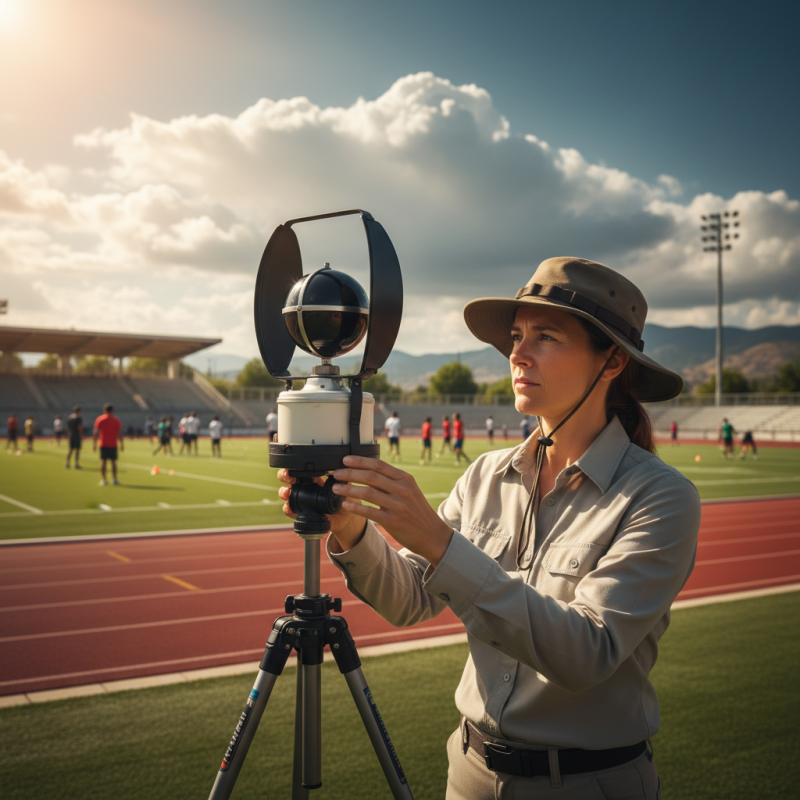
Understanding Wet Bulb Globe Temperature and Its Importance
Understanding Wet Bulb Globe Temperature (WBGT) is crucial for various settings, especially in sports and outdoor work. WBGT combines temperature, humidity, and radiant heat into a single measure. Heat stress can severely impact performance and health, making WBGT monitoring essential.
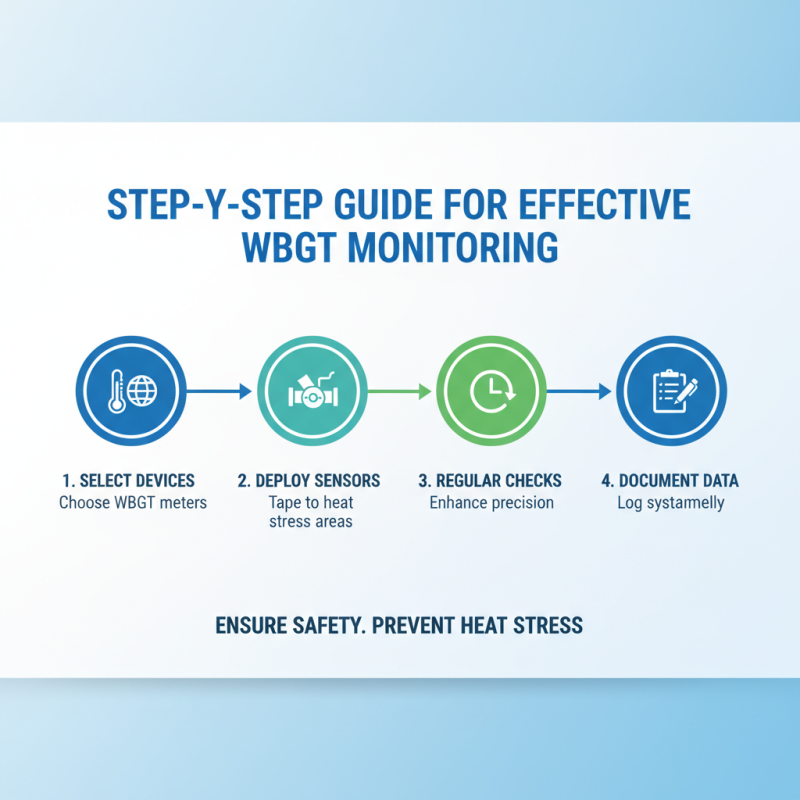
To effectively monitor WBGT, start by using appropriate instruments. A reliable WBGT meter can provide accurate readings. Make sure to place the sensor in a shaded area to avoid direct sunlight. This can greatly enhance accuracy. Regularly calibrate your instruments to maintain their reliability.
Be aware of environmental factors such as humidity. High humidity can exacerbate the effects of heat, leading to heat-related illnesses. Consider using cooling methods like shade, hydration, and breaks. Always educate the team about recognizing heat stress symptoms, ensuring everyone’s safety.
In terms of monitoring frequency, check the WBGT at regular intervals. This will help adjust activities based on current conditions. Surroundings can change rapidly – a sudden increase in humidity or temperature can affect the readings. Always be ready to adapt and manage exposure to heat, especially during outdoor activities.
How to Monitor Wet Bulb Globe Temperature Effectively?
| Parameter |
Description |
Importance |
Measurement Method |
| Wet Bulb Temperature |
The temperature measured by a wet bulb thermometer, which reflects moisture in the air. |
Crucial for understanding how humidity affects thermal comfort. |
Using a wet bulb thermometer or digital hygrometer. |
| Globe Temperature |
Temperature of a black globe that measures radiant heat and air temperature. |
Essential for assessing heat stress in outdoor environments. |
Using a globe thermometer to capture radiant heat from the sun and surroundings. |
| Heat Index |
A measure of how hot it feels when humidity is factored in with the actual air temperature. |
Indicates risk levels for heat-related illnesses. |
Calculated using a formula that incorporates temperature and humidity readings. |
| Humidity |
The amount of moisture present in the air. |
High humidity can exacerbate heat stress and discomfort. |
Measured with a hygrometer or humidity sensor. |
Key Instruments for Measuring Wet Bulb Globe Temperature
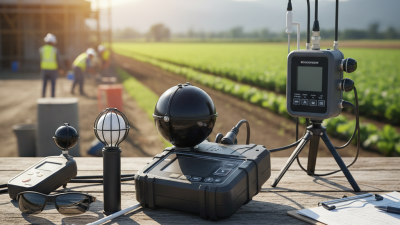
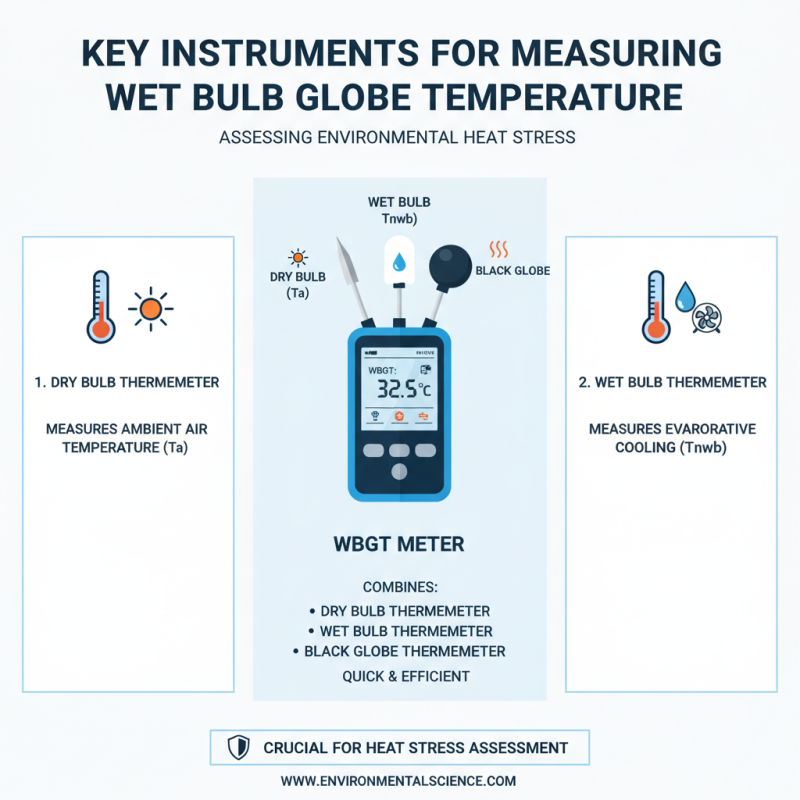
Measuring Wet Bulb Globe Temperature (WBGT) accurately is crucial for assessing environmental heat stress. Various instruments can help achieve this effectively. A common device is the WBGT meter, which combines a dry bulb, wet bulb, and black globe thermometer. It provides a quick and efficient way to gauging heat effects on the human body.
Another option is the sling psychrometer. This simple tool uses two thermometers to measure humidity and air temperature. While it requires some manual effort, it offers reliable readings. Users must spin the instrument consistently to maintain accuracy. The digital versions of these instruments allow for easier readings and may improve precision. However, one must check the calibration regularly, as inconsistent readings can lead to poor assessments.
Understanding the limitations of each instrument is essential. Factors like direct sunlight and wind can impact measurements. Users should consider the environment when using these instruments. Some may require more frequent maintenance. Keeping an eye on calibration is vital for accuracy. The effectiveness of the instruments heavily relies on proper usage and knowledge. Hence, the expertise in monitoring WBGT is fundamental for anyone working in heat-sensitive environments.
Factors Affecting Wet Bulb Globe Temperature Readings
Wet Bulb Globe Temperature (WBGT) is a crucial measurement for assessing heat stress. Various factors can influence WBGT readings. One significant factor is humidity. High humidity can raise the wet bulb temperature, making conditions feel hotter. This is essential in outdoor settings, such as sports events or labor-intensive jobs. Workers must stay hydrated, as humidity can conceal the real level of heat stress.
Another factor to consider is direct sunlight. WBGT readings can increase significantly when exposed to direct sunlight compared to shaded areas. The influence of wind also plays a role. Wind can cool the skin, thus lowering the WBGT value. Conversely, a lack of wind can lead to an increase in temperature readings.
Understanding these factors is vital for accurate monitoring. Observers often overlook localized variables that may distort the readings. For example, an area with tall buildings may trap heat, leading to artificially high WBGT readings. Additionally, equipment calibrations and placement can impact measurement accuracy. Regular reviews and adjustments of equipment and methodology are necessary to maintain reliable WBGT oversight.
Interpreting and Analyzing Wet Bulb Globe Temperature Data
Monitoring the Wet Bulb Globe Temperature (WBGT) is crucial for ensuring safety during activities in heat. It combines temperature, humidity, wind speed, and solar radiation. Interpreting data from WBGT readings can guide us toward better decision-making.
When analyzing WBGT data, observe trends over time. Look for consistent increases, especially during hot months. This trend could indicate higher heat stress. Each location might show different WBGT patterns, so context matters. Consider factors like geography and time of year when interpreting the results.
Tips: Always compare recent readings with historical data. This gives perspective on unusual patterns. Use a reliable tool to monitor WBGT continuously. This enables timely adjustments to schedules and activities. Regular reviews can enhance safety protocols for outdoor events. Engaging with professionals who specialize in occupational health can provide deeper insights.
Make sure to communicate findings with your team. Clear interpretation is key for effective responses. If data appears confusing, seek clarification. Mistakes in understanding can lead to safety issues. Reflection is essential for improving monitoring practices over time.

 Sensor
 Measuring Instruments
 Measurement Systems
 Architectural Physics Laboratory