How to Choose the Best Thermal Comfort Measuring Instrument?
Choosing the right Thermal Comfort Measuring Instrument is critical for creating comfortable living and working environments. According to Dr. Sarah Thompson, a leading expert in thermal comfort, "The accuracy of measuring instruments directly influences our understanding of human comfort." Understanding this, it becomes essential to evaluate various instruments available in the market.
Numerous factors come into play when selecting the ideal Thermal Comfort Measuring Instrument. Features like precision, ease of use, and durability are paramount. However, many users overlook the relevance of calibration and data analysis capabilities. Instruments that provide real-time feedback can greatly enhance user experience but may come with a higher price tag. This balance between cost and functionality is often challenging.
While many instruments boast impressive specifications, reliability should not be compromised. It's also vital to consider ongoing support and maintenance. Instruments may fail or provide inaccurate readings over time, emphasizing the importance of regular checks. Understanding these nuances can lead to better choices, ensuring that the chosen Thermal Comfort Measuring Instrument truly meets the needs of users.
Understanding Thermal Comfort and Its Importance
Thermal comfort is a vital aspect of our daily lives. It directly affects our productivity and well-being. According to the American Society of Heating, Refrigerating and Air-Conditioning Engineers (ASHRAE), the optimal temperature range for comfort is between 20°C and 24°C. Yet, achieving this comfort level can be challenging in various settings, particularly in offices and homes where personal preferences vary.
Understanding thermal comfort means recognizing its components: ambient temperature, humidity, air movement, and clothing insulation. A 2020 study published in the Journal of Building Performance highlighted that inadequate thermal comfort can lead to a 20% drop in productivity. Moreover, discomfort can lead to increased stress and health issues over time. Many facilities fail to monitor these factors adequately, which can create environments that do not support employee well-being.
Investing in the right thermal comfort measuring instruments is crucial. Devices should provide accurate data on real-time environmental conditions. However, users must critically assess their needs. Many instruments available today may lack durability or accuracy, leading to potential misinterpretations. This highlights a gap in reliability that often goes unaddressed, indicating the need for further exploration and improvement in the industry standards.
Types of Thermal Comfort Measuring Instruments
When selecting thermal comfort measuring instruments, it's crucial to understand the various types available. Understanding these tools can greatly enhance your ability to assess and improve indoor environments. This can lead to better energy efficiency and increased occupant satisfaction.
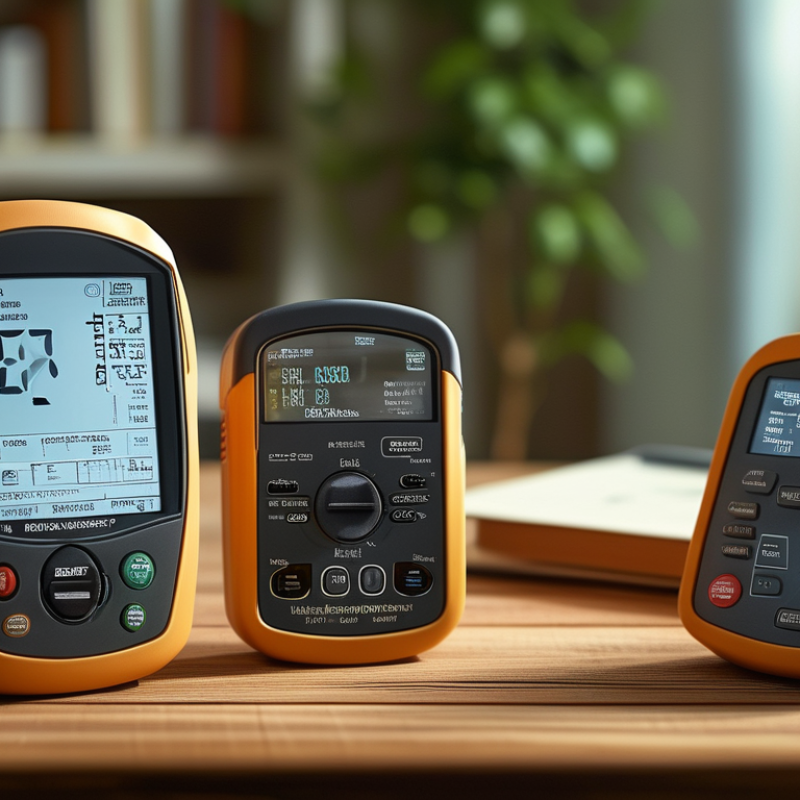
One type of instrument is the handheld thermal comfort meter. This tool measures parameters like temperature, humidity, air velocity, and mean radiant temperature. According to the ASHRAE 55 standard, maintaining specific ranges for these parameters can promote well-being in indoor spaces. For instance, the ideal indoor temperature for comfort is typically between 20°C to 24°C during the heating season. Handheld meters are portable and easy to use, though they may sometimes lack precision compared to more complex systems.
Another option is stationary monitoring systems, which offer continuous data logging. These systems provide ongoing insights into thermal comfort conditions. Reports from the International Energy Agency suggest that effective monitoring can reduce energy consumption by nearly 30%. However, these systems may require more investment and technical know-how to set up and maintain. Balancing cost, accuracy, and ease of use is essential in choosing the right instrument for your needs. Each type has its benefits and disadvantages, and no single solution fits all scenarios.
Key Features to Consider When Choosing Instruments
When selecting a thermal comfort measuring instrument, it is vital to focus on key features. One significant factor is accuracy. According to a study by the American Society of Heating, Refrigerating and Air-Conditioning Engineers, precise measurements can vary by as much as 10%. This margin can affect reliability and decision-making in environmental control systems.
Another important aspect is user-friendliness. Instruments that are complex can lead to errors and misinterpretations, especially in field conditions. A survey of HVAC professionals showed that 65% prefer devices with intuitive interfaces. Moreover, consider the range of measurements. Instruments should be capable of assessing parameters like temperature, humidity, and air movement, as these can significantly impact overall comfort.
Portability is also crucial. Many environments require mobility, and bulky devices can hinder effective measurements. Data indicates that 40% of field technicians face challenges due to heavy equipment. Additionally, regular calibration is essential for maintaining accuracy. Instruments that lack easy calibration procedures may create inconsistencies. These aspects highlight the need for a balanced approach, ensuring both functionality and ease of use in selecting the right tools for thermal comfort assessment.
How to Choose the Best Thermal Comfort Measuring Instrument? - Key Features to Consider When Choosing Instruments
| Feature |
Description |
Importance |
| Accuracy |
The degree to which the instrument measures temperature and humidity correctly. |
High |
| Response Time |
The time taken for the instrument to react to changes in environmental conditions. |
Medium |
| User Interface |
Ease of use in reading and navigating the device settings. |
High |
| Data Logging |
Capability to store data over time for analysis. |
High |
| Portability |
Ease of transport and setup in different locations. |
Medium |
| Calibration |
The process of adjusting the instrument to maintain accuracy over time. |
High |
| Cost |
The price point of the instrument relative to its features and capabilities. |
Medium |
Evaluating Accuracy and Reliability of Thermal Instruments
When choosing a thermal comfort measuring instrument, accuracy is crucial. Devices must provide reliable readings to ensure the comfort of occupants. Testing methods should be standardized, as inconsistencies can lead to misleading results. For instance, a portable device may show different temperatures in various environments. It's essential to validate these readings against known standards.
Reliability also plays a significant role in the evaluation process. Instruments should consistently deliver similar results under controlled conditions. Variability in measurements can indicate calibration issues or wear and tear on the device. Regular maintenance checks can help mitigate such problems, but many users overlook this step. The longevity of the instrument often hinges on proper care and regular updates to its calibration.
Beyond accuracy and reliability, understanding the context of data is vital. Different environments can affect thermal perception deeply. A device that performs well in one setting may not yield the same results in another. Interpreting data requires a nuanced understanding of the surroundings. Ultimately, users need to reflect on their specific needs when choosing the right instrument.
Cost-Effectiveness and Maintenance of Measuring Devices
Choosing the right thermal comfort measuring instrument involves careful consideration of cost-effectiveness and maintenance. A reliable device should strike a balance between upfront costs and long-term benefits. Assessing your specific needs is important. Cheaper options might save money now but could result in higher maintenance costs later. It's essential to think about the total cost of ownership.
Regular calibration is necessary for any measuring device. Without it, readings can drift over time, leading to inaccurate results. Choose a device with easily available calibration services. This can help extend the instrument's lifespan. Consider the ease of maintenance as well. Devices requiring simple cleaning and occasional checks can save time and effort.
When evaluating options, factor in the user-friendliness of the equipment. Complicated devices can create frustration. An intuitive interface helps personnel focus on data collection, not troubleshooting. Always read user reviews to gauge reliability. Engaging with professionals can provide insights into the long-term performance of a device. Remember, investing in quality now can reduce future headaches.

 Sensor
 Measuring Instruments
 Measurement Systems
 Architectural Physics Laboratory