How to Measure Comfort Levels Before You Buy
Comfort can look convincing in a product photo and feel wrong within minutes. A chair may seem soft, yet press against your thighs. A mattress may feel supportive in a showroom, then grow warm overnight. Small details matter. Measuring Comfort Levels before buying helps turn vague impressions into practical observations. It is not about finding one perfect score. It is about noticing how a product responds to your body, routine, and surroundings.
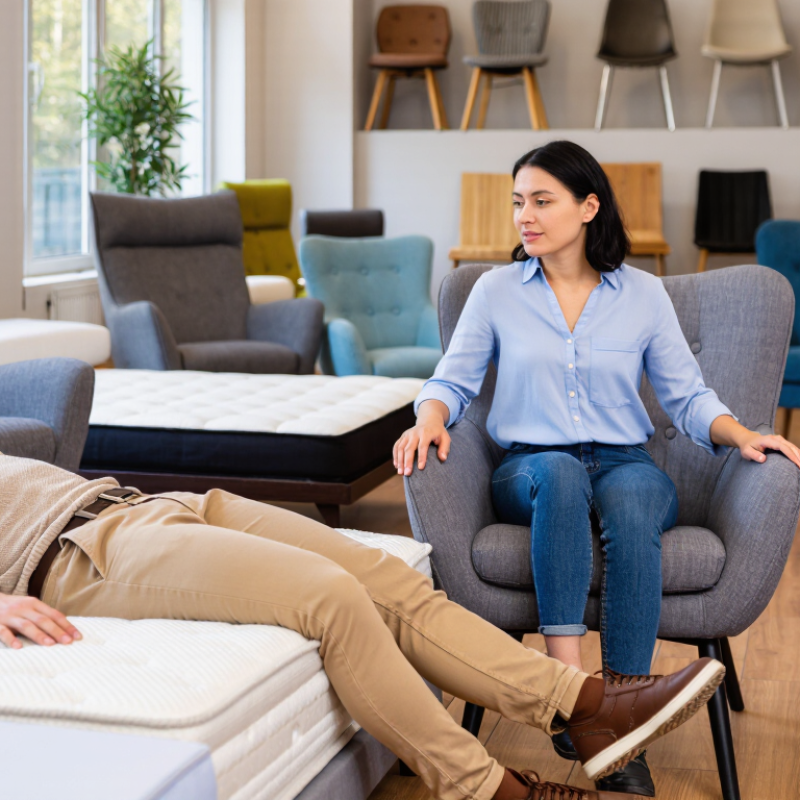
A useful test starts with the way you will actually use the item. Sit, walk, or lie down in your usual posture, and allow enough time to notice pressure, movement, and temperature. Check whether your feet rest naturally, your back feels supported, or the material rubs against your skin. If possible, compare several options under similar conditions. Make brief notes rather than trusting memory; a few minutes later, impressions can blur. Ask about adjustment features, care requirements, and the return period, since comfort may change after repeated use. These checks are especially helpful for products that affect posture or daily movement, but they cannot replace individual judgment. Even careful tests can miss something. That is worth admitting. Bodies differ, and a short trial may not reveal how an item feels after a full day. A clear, repeatable process makes the decision more informed without pretending it can guarantee comfort.
Define Your Comfort Criteria Using the ISO 9241-11 Usability Framework
How to Measure Comfort Levels Before You Buy
Define Your Comfort Criteria Using the ISO 9241-11 Usability Framework
ISO 9241-11 describes usability through effectiveness, efficiency, and satisfaction in a specific context of use. Apply those ideas to comfort before buying a chair, headset, or other frequently used product. Effectiveness asks whether it supports your task without causing discomfort. Efficiency considers the effort and time needed to adjust it. Satisfaction reflects your own experience during use. Comfort is personal, so record criteria that matter to you.
Try the item in conditions close to your daily routine. Sit for 20 minutes, type a short passage, or wear the headset while listening to ordinary speech. Note pressure points, heat, posture changes, and how often you need to readjust. Use a simple scale, such as one to five, and write down the time and setting. A quick showroom test can miss discomfort that appears later. It did for me once.
Tips: Set a clear pass mark before testing. For example, allow no sharp pressure and no more than two adjustments in 20 minutes. Compare candidates using the same task and duration. Check fit again after changing clothing or posture. These measures cannot predict every long-term issue, and your first impression may be wrong. Keep the notes anyway.
How to Measure Comfort Levels Before You Buy - Define Your Comfort Criteria Using the ISO 9241-11 Usability Framework
Use the measures below to compare products in the context in which you intend to use them. ISO 9241-11 frames usability through effectiveness, efficiency, and satisfaction; it does not prescribe specific comfort scores or pass thresholds. The example criteria are suggested starting points to adapt to your needs.
| ISO 9241-11 usability aspect |
Comfort dimension |
What to measure |
How to assess before buying |
Example decision criterion* |
| Effectiveness |
Fit for intended user and task |
Whether the product supports the required posture, reach, or task without avoidable strain |
Try the product in a realistic position and complete a typical task; note any obstruction, awkward reach, or posture adjustment needed. |
Complete the task comfortably without a recurring posture correction or blocked movement. |
| Efficiency |
Ease of adjustment and setup |
Time and number of steps needed to reach a comfortable setup |
Use the product’s controls or adjustment features without assistance; record setup time and any unclear steps. |
Reach a usable setup within 3 minutes, with no more than 2 unclear or repeated steps. |
| Satisfaction |
Perceived comfort during use |
Self-rated comfort on a consistent 1–7 scale (1 = very uncomfortable; 7 = very comfortable) |
After a 10–15 minute trial, rate overall comfort and note the main reason for the score. |
Overall rating of 5 or higher, with no specific discomfort rated 2 or lower. |
| Satisfaction |
Localized discomfort or pressure |
Location, intensity, and onset time of discomfort |
At the start and end of the trial, record any discomfort by body area and rate intensity from 0 (none) to 10 (worst imaginable). |
No increasing discomfort; discomfort remains at 2 or below on the 0–10 scale during the short trial. |
| Effectiveness and satisfaction |
Stability and freedom of movement |
Unwanted movement, balance, and ability to change position |
Perform ordinary movements relevant to use, such as reaching, turning, or standing up, in a safe setting. |
No unexpected instability or restriction during the movements required for the intended task. |
| Satisfaction |
Comfort over the expected duration |
Change in comfort rating over time |
If possible, test for the duration you expect to use the product; record comfort at regular intervals. |
Comfort rating does not drop by more than 1 point during the planned trial period. |
| Context of use |
Suitability for environment and user needs |
Compatibility with available space, clothing, temperature, noise, and individual requirements |
Check the product under conditions that approximate your intended environment and consider any accessibility or sensory needs. |
No essential environmental or accessibility requirement is unmet. |
*Example criteria are not ISO 9241-11 requirements or medical guidance. Adapt them to the product, user, task, and context of use. A brief trial may not predict comfort during prolonged use.
Check Fit and Adjustability Against ANSI/BIFMA Chair Standards
A chair can feel comfortable for five minutes and still fail during a full workday. Check the adjustment range against your body, not just the showroom floor. ANSI/BIFMA G1-2013 uses a broad design population, commonly described as the 5th-percentile female through the 95th-percentile male. That range is a useful fit benchmark, not a guarantee that every chair suits every user.
Sit back and check whether your feet rest flat while your knees stay near hip level. Adjust the seat depth so a few fingers fit between its front edge and the backs of your knees. Then test lumbar support, armrest height, and controls from your normal sitting position. Small details matter. If the armrests prevent you from pulling close to a desk, they may be more frustrating than helpful.
Read ANSI/BIFMA X5.1 as a durability and safety reference, not a comfort score; its tests do not establish personal fit. A standards claim cannot replace an adjustment check. Try each control repeatedly, and note whether it moves smoothly without forcing your shoulders or wrists. A short trial can mislead. I would also recheck the fit after ten minutes, when an initially comfortable posture may start to feel cramped.
Compare Cushioning With ASTM D3574 Foam Test Measurements
How to Measure Comfort Levels Before You Buy
ASTM D3574 provides standardized methods for testing flexible foam, including indentation force deflection, or IFD. In this test, a platen presses into a foam sample, and the required force is recorded at specified compression levels. A higher IFD generally means firmer foam under those test conditions. Simple, but useful.
When comparing cushions, check that the measurements use the same test method and compression points. The ratio between force at 65% and 25% indentation can indicate how well foam firms up as pressure increases. This support factor helps distinguish a cushion that feels soft initially from one that resists deeper compression. Look for the actual figures, not just “soft” or “firm.”
Numbers have limits. A cushion’s cover, shape, thickness, and layered construction can change how it feels in use. Temperature and sample conditioning may also affect results. Compare test data alongside a careful sit: notice whether your hips sink, whether the edges press against your legs, and whether the cushion rebounds. Not a perfect prediction. Still, it’s a better starting point than guessing from appearance alone.
How to Measure Comfort Levels Before You Buy
Compare Cushioning With ASTM D3574 Foam Test Measurements
ASTM D3574 Test B1 measures indentation force deflection (IFD): the force, in pounds-force (lbf), needed to compress foam to a specified depth. A higher reading means the foam resists indentation more; it does not prove that a cushion will feel more comfortable. These illustrative values are examples, not measured product results or comfort ratings. Compare test results taken under the same conditions, and try the cushion when possible.
Assess Thermal Comfort Using ASHRAE Standard 55’s 80% Acceptability Benchmark
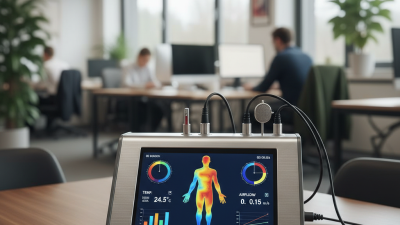
Before you buy a chair, heating system, or other comfort-related item, check the room where you will use it. Measure air temperature and humidity at seated height, away from windows, vents, and direct sunlight. Note air movement, too: a gentle draft can make a warm room feel chilly. Take readings at different times, since one afternoon snapshot may not reflect everyday conditions. Small differences matter.
ASHRAE Standard 55 evaluates thermal comfort through environmental factors, such as air temperature, radiant temperature, humidity, and air speed, alongside clothing and activity levels. Its 80% acceptability benchmark means conditions are expected to be acceptable to at least 80% of occupants under the standard’s assessment methods. It is a useful reference, not a guarantee that every person will feel comfortable. A thermometer alone cannot establish whether a space meets the benchmark. Personal preference, changing occupancy, and uneven temperatures can complicate the picture.
Tips: Record readings for several days, including morning and evening. Keep clothing and activity notes beside them. Compare the pattern with your own comfort, not just a single number. If readings vary widely, investigate drafts or sun exposure before deciding. I have found that even careful notes leave some uncertainty; comfort is partly individual.
Repeat a Timed Trial and Record Your Ratings on a Consistent Scale
How to Measure Comfort Levels Before You Buy
Repeat a Timed Trial and Record Your Ratings on a Consistent Scale
Set a trial length that matches how you expect to use the item, such as 15 minutes of sitting or walking. Use the same duration each time, and try it under similar conditions. Notice pressure points, warmth, stiffness, and whether you keep shifting position. Small differences matter. A quick first impression can be misleading; comfort may change after several minutes.
After each trial, rate comfort on the same scale, such as 1 for very uncomfortable and 5 for very comfortable. Record the date, duration, setting, and one brief note beside the score. For example: “4 — slight heel pressure after 12 minutes.” Repeat the trial on another day if possible. I’d treat one score cautiously; mood, fatigue, and even a rushed test can affect it.
Tips: Keep your scale visible in your notes, and rate the experience soon after each trial. Avoid changing several conditions at once. If the fit seems different on a second try, write that down rather than forcing a neat average. A little uncertainty is useful information.

 Sensor
 Measuring Instruments
 Measurement Systems
 Architectural Physics Laboratory