How to Choose the Best Heat Stress Monitors for Your Needs?
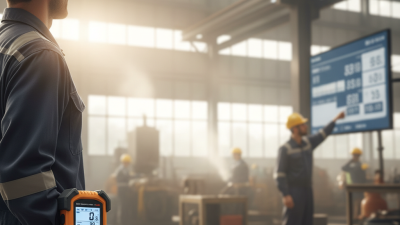
Heat stress is a critical concern in various industries, affecting worker health and productivity. According to the National Institute for Occupational Safety and Health (NIOSH), heat-related illnesses account for numerous hospitalizations each year. Choosing the right Heat Stress Monitors can significantly mitigate these risks, ensuring the safety of employees under extreme conditions. Expert Dr. Mary Smith, a renowned occupational health specialist, emphasizes, "Proper monitoring can be the difference between a safe work environment and a medical emergency."
Selecting an effective heat stress monitoring system involves understanding your specific needs. Different settings may require different features. For instance, continuous monitoring is essential in industries like construction and agriculture, where workers are often exposed to high temperatures. Awareness of the available technologies, such as wearable sensors or stationary units, can lead to better decision-making.
The landscape of heat stress management is evolving, yet many organizations still overlook optimal solutions. It is not just about compliance; it is about fostering a culture of safety. Investing in the right Heat Stress Monitors can be the first step in a comprehensive approach to worker health. Understanding the limitations of current technologies is crucial. There is always room for improvement in safety protocols, and constant evaluation is key.
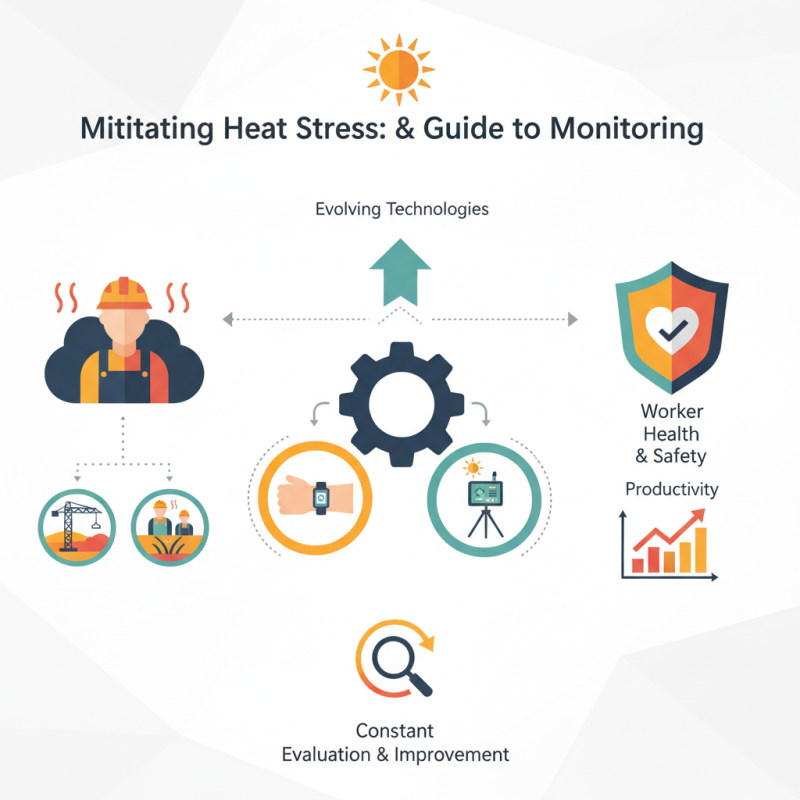
Understanding Heat Stress: The Importance of Monitoring
Heat stress is a serious concern for workers in various industries, especially those exposed to high temperatures. It can lead to severe health issues, including heat exhaustion and heatstroke. Understanding heat stress is vital for maintaining worker safety and productivity. Monitoring techniques can accurately assess environmental conditions to protect employees.
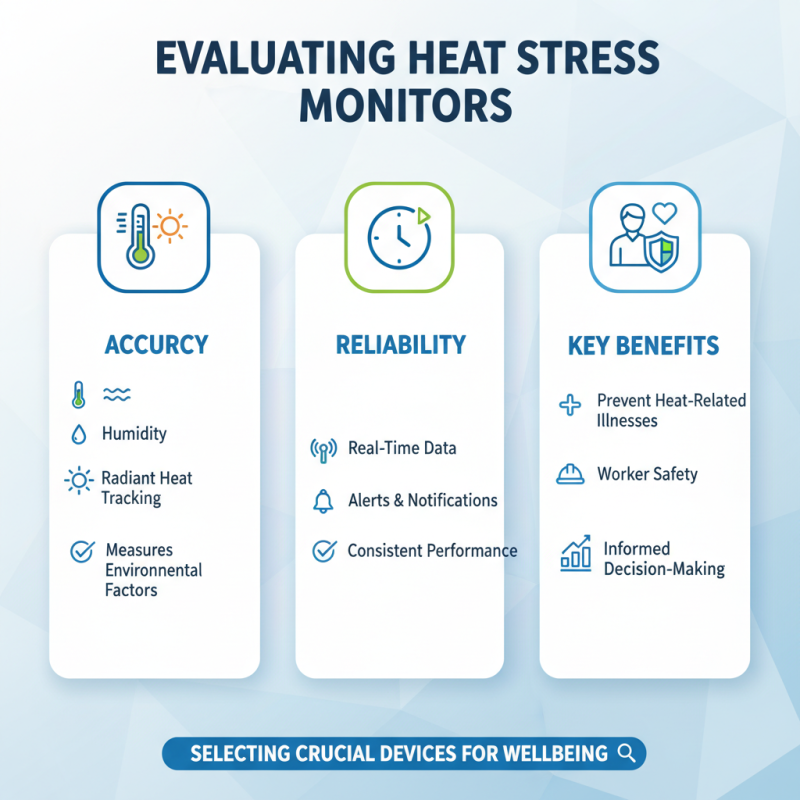
Recognizing the signs of heat stress early can save lives. Symptoms include excessive sweating, confusion, and fatigue. A reliable heat stress monitor provides real-time data on humidity and temperature. This information helps in making informed decisions regarding breaks and hydration. Without proper monitoring, risks escalate, compromising worker safety.
Choosing a suitable heat stress monitor requires knowledge of your specific environment. Factors such as outdoor exposure and activity levels play a role. Not all monitors suit every situation. Researching features and user-friendliness is critical. Some options may seem appealing but lack essential functionalities. Evaluate and reflect on your workplace needs thoroughly.
Types of Heat Stress Monitors Available in the Market
When selecting a heat stress monitor, understanding the types available is vital.
There are several categories of heat stress monitors on the market, each designed for specific applications.
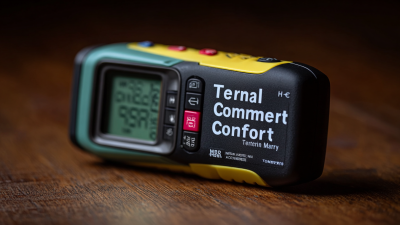
Wearable devices are popular among workers in high-temperature environments. These devices often include sensors that track body temperature and humidity levels. They provide real-time data, helping to ensure workers remain safe.
Stationary heat stress monitors are also common. These are often used in industrial settings where monitoring a larger area is necessary.
They can measure environmental factors like temperature and humidity, offering a broader analysis. Another option includes personal monitors that clip onto clothing.
While these are portable, their accuracy might vary.
Not all monitors offer the same level of reliability. Some may struggle with calibration, leading to inaccurate readings.
It’s crucial to assess how each type fits your specific needs.
Consider factors like ease of use, battery life, and data reporting capabilities. Every monitor has its strengths and weaknesses, making thoughtful consideration essential when making a choice.
Key Features to Consider When Selecting a Heat Stress Monitor
Choosing the right heat stress monitor requires understanding key features critical to your environment. Focus on accuracy first. A reliable device should provide precise temperature and humidity readings. Devices that measure Heat Index or Wet Bulb Globe Temperature (WBGT) can be particularly useful. According to the American Conference of Governmental and Industrial Hygienists (ACGIH), WBGT is essential in evaluating heat stress risks in the workplace.
Consider ease of use next. Is the monitor intuitive? Devices with clear displays and straightforward settings enhance usability. Look for portability if you need to take readings in different locations. Robust designs that withstand environmental stresses are preferable.
**Tip:** Regularly calibrate your monitor to maintain its accuracy. Calibration ensures you receive trustworthy data, vital in preventing heat-related illnesses.
Don't overlook connectivity options. Some monitors offer data logging features. These allow tracking over time, essential for assessing exposure trends. However, ensure that such features align with your needs. Sometimes, simpler devices offer reliability without complexity.
**Tip:** Research user reviews and industry reports. This helps identify monitors with proven performance. By focusing on accuracy and usability, you can find the heat stress monitor that suits your requirements best.
Budget and Maintenance Considerations for Heat Stress Monitoring Solutions
When selecting heat stress monitors, budget and maintenance play crucial roles. Understanding your financial limits helps narrow down options. Professional-grade monitors often come with a higher price tag. However, investing in quality can lead to long-term savings through more accurate readings and reduced health risks. Assess features that align with your specific needs against their costs.
Maintenance is another important factor. A reliable monitor requires regular checks and updates. Some models might need frequent calibration, which can be time-consuming. Simple devices may seem more budget-friendly, yet they could offer less precision. Monitor user reviews to gauge reliability. Remember, a poorly maintained device can lead to inaccurate data, posing risks to health safety. Balancing cost and long-term performance is essential while ensuring you select the right heat stress monitor.

 Sensor
 Measuring Instruments
 Measurement Systems
 Architectural Physics Laboratory