How to Use Wet Bulb Globe Thermometer for Accurate Readings?
Accurate temperature readings are crucial for various applications, including sports, industry, and environmental monitoring. The Wet Bulb Globe Thermometer (Wbgt) is a valuable tool that combines temperature, humidity, and radiant heat measurements. Understanding how to effectively use this device ensures reliable data that can enhance safety and productivity.
The Wbgt offers a comprehensive approach to assessing heat stress, which is vital in managing heat-related illnesses. It incorporates multiple environmental factors that traditional thermometers might overlook. Users must familiarize themselves with its components and proper usage techniques. This knowledge is essential to derive meaningful readings, especially in high-temperature situations.
However, achieving accuracy requires consistent attention and practice. Mistakes may occur when interpreting data or using the device in unsuitable conditions. Users need to adapt to environmental changes and refine their techniques. By embracing these challenges, one can enhance their proficiency with the Wbgt and contribute to safer working and living environments.
Understanding the Wet Bulb Globe Thermometer and Its Components
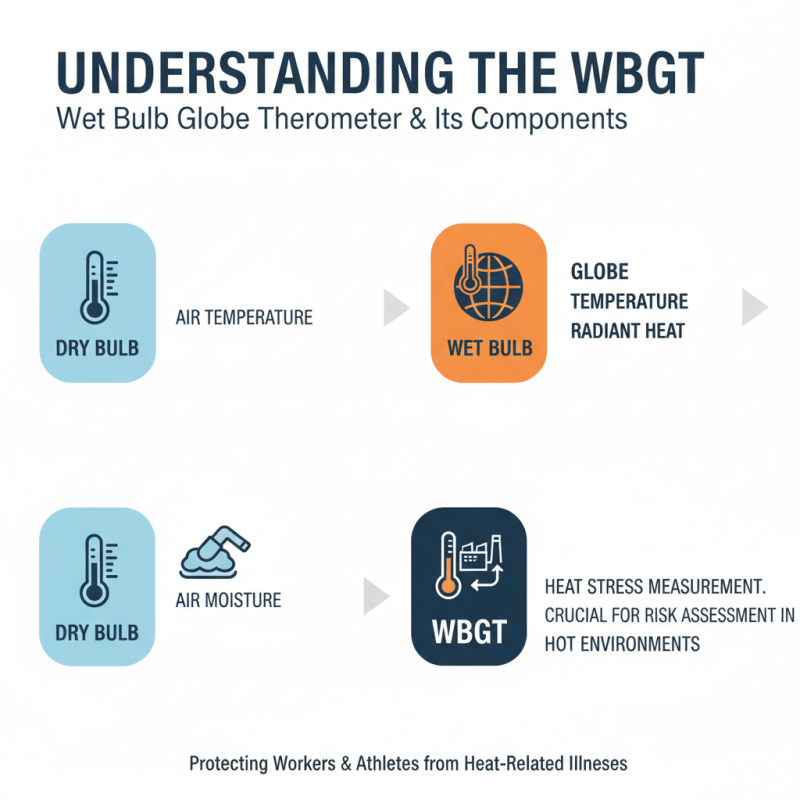
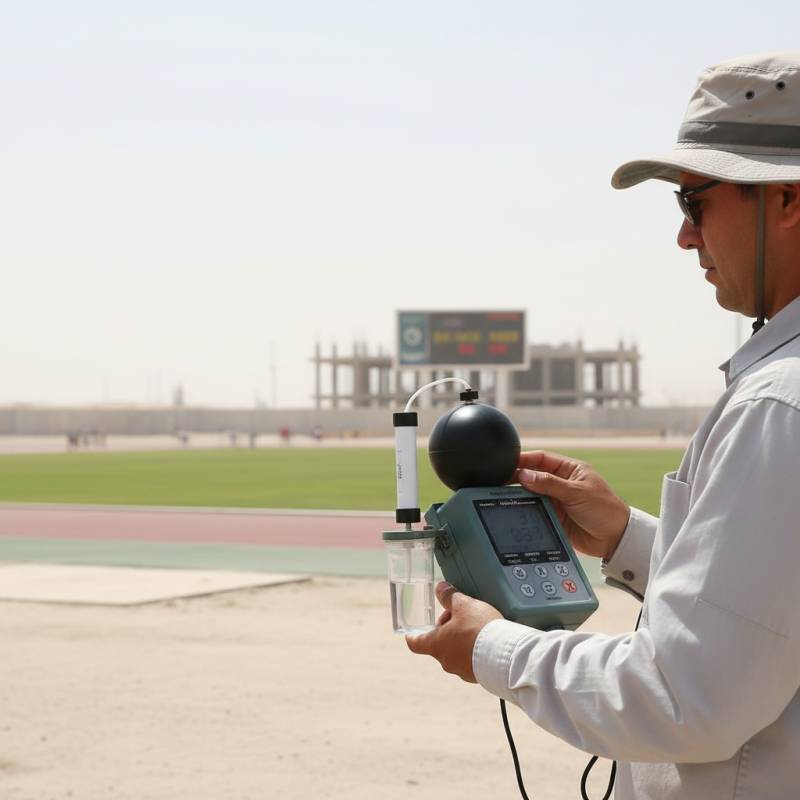
The Wet Bulb Globe Thermometer (WBGT) is a vital tool for accurately measuring heat stress in various environments. This device combines three temperature readings: dry bulb temperature, wet bulb temperature, and globe temperature. The dry bulb measures air temperature, while the wet bulb indicates moisture in the air. The globe temperature reflects the impact of radiant heat. Understanding these components is crucial, especially for industries where heat exposure is a significant risk.
According to the American Conference of Governmental and Industrial Hygienists (ACGIH), the WBGT provides a more comprehensive assessment of thermal stress compared to standard thermometers. For example, when the WBGT reading exceeds 85°F, the risk of heat-related illnesses increases notably. Indoor environments, such as factories, can achieve high heat indices. Factors like humidity and air movement must be considered. Aim for regular calibration and maintenance of the thermometer for consistent accuracy.
While the WBGT is effective, it is not without limitations. Ambient conditions can affect readings significantly. It is essential to identify sampling locations carefully to avoid misleading results. Environmental variations and human factors also play a role in heat stress assessments. Continuous education about the WBGT's proper use is necessary for achieving reliable outcomes.
Steps to Properly Calibrate Your Wet Bulb Globe Thermometer
Calibrating your wet bulb globe thermometer is essential for accurate readings. Start by placing the device in a shaded area, away from direct sunlight. This helps prevent heat interference. Ensure that the thermometer's sensors are clean and free from debris. Regular maintenance is crucial for precision.
Next, use distilled water to wet the wick of the wet bulb. Ensure that it is fully soaked but not dripping. This step impacts the readings significantly. After wetting, allow the thermometer to stabilize for a few minutes. Check that the ambient temperature is within the operational limits specified in the device guidelines.
Occasionally, recalibrate using a known temperature source. Compare your readings with an accurate thermometer. Discrepancies indicate that the thermometer needs adjustment. It's important to recognize that conditions can cause variations. Keep a log of your calibration attempts to track progress and understand your thermometer's performance better.
How to Use Wet Bulb Globe Thermometer for Accurate Readings? - Steps to Properly Calibrate Your Wet Bulb Globe Thermometer
| Step |
Description |
Importance |
Required Tools |
| 1 |
Gather all necessary tools including the wet bulb globe thermometer and calibration water. |
Essential for accurate measurements. |
Wet Bulb Globe Thermometer, Distilled Water, Thermometer Calibration Standards |
| 2 |
Remove the protective cover and inspect the thermometer for any visible damage. |
Ensures accuracy and prevents faulty readings. |
Protective Cover |
| 3 |
Immerse the wet bulb in distilled water and ensure it is wet evenly. |
Crucial for the wet bulb to function correctly. |
Distilled Water |
| 4 |
Allow the thermometer to equilibrate to the ambient temperature. |
Provides accurate temperature readings. |
Timer |
| 5 |
Take readings of the dry bulb and wet bulb temperatures as per instructions. |
Essential for calculating humidity and heat stress. |
Notebook, Pen |
| 6 |
Calculate the relative humidity and heat index using the recorded values. |
Provides necessary data for analysis and safety precautions. |
Calculator |
Techniques for Taking Accurate Readings in Different Environments
When utilizing a Wet Bulb Globe Thermometer (WBGT) in diverse environments, accuracy is paramount. Different factors can significantly impact readings. For example, humidity levels and air movement can affect the wet bulb reading, leading to potential discrepancies. According to a report by the National Institute for Occupational Safety and Health (NIOSH), environmental conditions can lead to a 10% variation in heat stress assessments.
In outdoor settings, ensure proper placement of the thermometer. Avoid direct sunlight and reflective surfaces, which can skew results. Ideally, place the device in a shaded area with sufficient airflow. In contrast, indoor measurements may require specific attention to ventilation systems. Factories or gyms could generate localized heat, which may result in misleading WBGT readings. It's critical to validate the data against established standards for the specific environment; the American Conference of Governmental Industrial Hygienists (ACGIH) guidelines can serve as credible benchmarks.
Remember, no method is flawless. Regular calibration of the thermometer is necessary for consistent results. If the device has not been calibrated properly, readings can be considerably off. Additionally, accounting for personal factors, such as clothing and hydration status, is essential when interpreting the data. These elements can directly influence the risk of heat-related health issues, reaffirming the need for careful assessment and continuous reflection on best practices.
Interpreting the Readings from the Wet Bulb Globe Thermometer
When using a Wet Bulb Globe Thermometer (WBGT), interpreting the readings is crucial. The WBGT combines air temperature, humidity, and radiant heat to provide a comprehensive measure of heat stress. The readings indicate how the body responds to environmental heat. Higher values suggest more significant heat stress, while lower values indicate safer conditions.
To analyze the results, familiarize yourself with the WBGT scale. For example, a reading below 75°F typically means minimal heat stress. Values between 75°F and 82°F warrant caution, suggesting the need for hydration and rest breaks. A reading above 82°F signals increased risk. Under these conditions, workers should reduce exertion. It is essential to understand these thresholds to ensure safety.
Sometimes, human factors influence reaction to heat stress. Different individuals respond uniquely to heat depending on health, fatigue, and acclimatization levels. The WBGT does not account for personal variables. Therefore, it’s essential to consider these elements when assessing readings. Reflecting on your observations can lead to better decisions in heat management practices.
Understanding Wet Bulb Globe Temperature (WBGT) Readings
The following chart illustrates the average Wet Bulb Globe Temperature (WBGT) readings over a week, which can help in understanding environmental heat stress levels in outdoor conditions. The values are represented in degrees Celsius.
Common Applications and Best Practices for Usage
The wet bulb globe thermometer (WBGT) is a pivotal tool for measuring environmental conditions, particularly in sports, industry, and health sectors. Its specific design accommodates temperature, humidity, and radiant heat. The Centers for Disease Control and Prevention (CDC) recommend monitoring WBGT levels to prevent heat-related illnesses. Data shows that heat stress can lead to significant health risks, especially when temperatures exceed 80 degrees Fahrenheit.
In sports contexts, the WBGT provides critical insights. Studies indicate that athletes exposed to high WBGT readings face a higher risk of heat exhaustion. The American College of Sports Medicine suggests utilizing WBGT readings for scheduling workouts. When the WBGT exceeds 82°F, organizations typically recommend modifying training intensity or duration.
For accurate readings, it's essential to position the WBGT in shaded areas, away from direct sunlight. Regular calibration is also necessary. However, in practice, many do not perform this step regularly, which could lead to erroneously high or low readings. Ultimately, understanding and applying best practices in WBGT usage can significantly enhance safety in various environments. Considerations of local climate conditions, humidity levels, and exposure duration remain vital.

 Sensor
 Measuring Instruments
 Measurement Systems
 Architectural Physics Laboratory