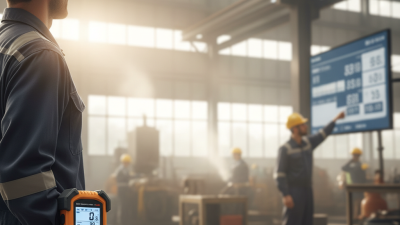
Choosing the best heat stress monitors for your needs is crucial in today's industrial environment. According to Dr. Alice Thornton, a leading expert in occupational health, "Effective monitoring can prevent heat-related illnesses and improve worker safety." Heat stress monitors are essential tools in workplaces where temperature and humidity can pose serious risks.
Understanding different heat stress monitors is key. These devices vary in features, accuracy, and user-friendliness. Some monitors provide real-time data, while others require manual readings. Selecting the right product can impact how effectively you safeguard your workforce from heat stress.
It’s important to reflect on your specific needs. Will you be monitoring in high-temperature environments regularly? Or just occasionally? Investing in high-quality heat stress monitors can make a difference. However, be aware of the learning curve involved in using these devices effectively. The right choice can enhance safety and well-being, but understanding your specific requirements is equally important.

Heat stress monitoring is essential, especially in environments where heat exposure is significant. Understanding the key concepts can help in selecting the right monitor. Everyone should recognize the signs of heat stress, including fatigue, dizziness, and excessive sweating. A heat stress monitor provides vital data to prevent these dangerous conditions.
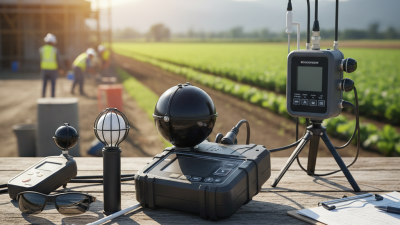
When choosing a monitor, consider your specific environment. Different settings have unique heat stress risks. For example, outdoor workers face different challenges than those in industrial settings. It’s important to assess the heat stress index, which combines temperature and humidity. A reliable monitor should accurately gauge these factors in real-time.
Tips: Ensure the monitor is user-friendly. A complex device may not be utilized correctly. Regular calibration ensures accuracy. It’s essential not to overlook routine checks. Consider training for staff to recognize heat stress symptoms effectively. This can enhance safety and response measures. Remember, awareness is the key to prevention.
| Monitor Type | Measurement Parameters | Accuracy | Battery Life | Price Range ($) |
|---|---|---|---|---|
| Portable Wearable Monitor | Temperature, Humidity, Heart Rate | ±0.5°C | 24 hours | 150 - 300 |
| Stationary Heat Stress Monitor | Wet Bulb Globe Temperature (WBGT) | ±0.2°C | 5 years | 500 - 1000 |
| Smartphone-Compatible Sensor | Temperature, Humidity | ±0.3°C | 30 hours | 100 - 200 |
| Wearable Wrist Monitor | Body Temperature, Heart Rate | ±0.4°C | 10 days | 200 - 400 |
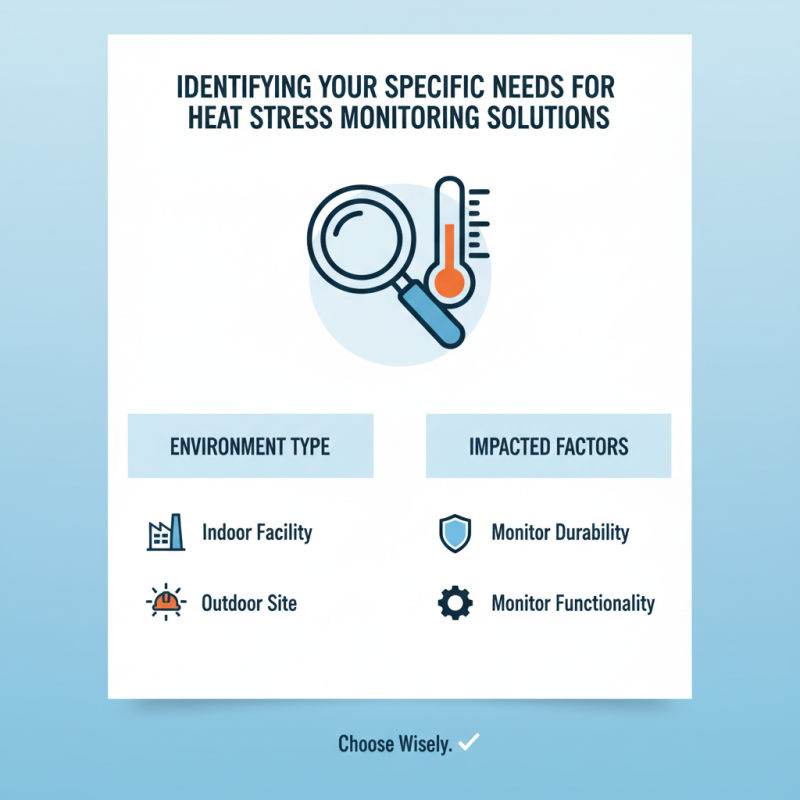
When selecting heat stress monitoring solutions, it's crucial to identify your specific needs. Consider the environment where these monitors will be used. Are they for an indoor facility or an outdoor site? The location impacts the monitor’s durability and functionality.
Next, think about the type of data you need. Do you require real-time readings or a summary at the end of the day? Some applications need alerts for immediate action, while others may only need logs. Understand your operational requirements to select the right features.
Finally, employee comfort and safety is essential. Consult your staff to identify their concerns. They often have insights into potential risks. Balancing their input with data-driven decisions can strengthen your heat stress management strategy.
When selecting a heat stress monitor, it's essential to understand the different types available. Portable handheld monitors offer quick readings, while wearable devices provide continuous monitoring. Research from the National Institute for Occupational Safety and Health (NIOSH) indicates that heat stress is a major concern in various industries. Their studies show that over 40,000 workers require medical treatment for heat-related illnesses annually.
Typically, these monitors assess factors like temperature, humidity, and heart rate. For example, the Wet Bulb Globe Temperature (WBGT) index is widely used. It provides a comprehensive approach by factoring in environmental conditions. The American Conference of Governmental and Industrial Hygienists (ACGIH) recommends using WBGT for better risk assessment in workplaces.
Tips for choosing the right monitor include understanding your specific environment. Consider factors like employee activity levels and heat exposure duration. Some professionals suggest calibrating devices frequently to ensure accuracy. Look for models with clear displays and robust battery life. Making informed choices boosts workplace safety and health. Remember, what works for one setting may not suit another. Assess your unique requirements carefully.
When selecting heat stress monitors, evaluating features is crucial. Accuracy is fundamental. Many devices measure temperature and humidity, but not all offer reliable readings. Look for those with advanced sensors. They provide precise data, which is essential for effective heat stress management.
Display clarity matters too. A readable display ensures quick information access. Some monitors have color-coded alerts. These visuals enable immediate action, preventing potential health risks.
Battery life should not be overlooked. Devices with longer battery life reduce maintenance and ensure continuous monitoring.
Consider additional features like data logging. This allows for tracking trends over time. Continuous records help identify patterns and improve workplace safety. However, many devices may provide excessive data. Users might find it challenging to analyze. Balancing features with usability is essential.
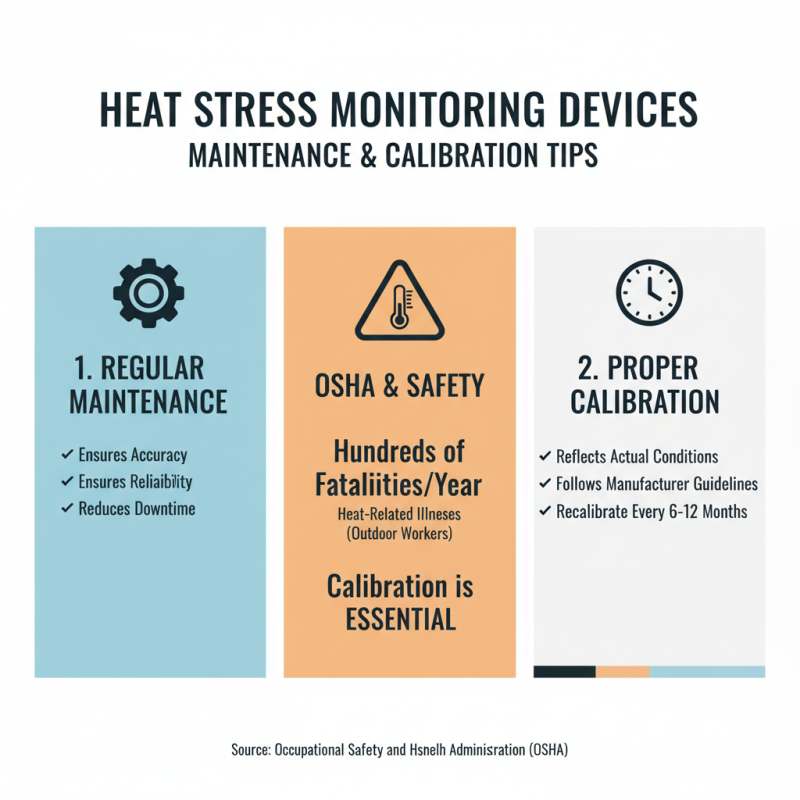
When selecting heat stress monitoring devices, maintenance and calibration are crucial. Regular maintenance ensures accuracy and reliability. According to the Occupational Safety and Health Administration (OSHA), heat-related illnesses account for hundreds of fatalities each year among outdoor workers. Proper calibration of monitoring devices is essential to ensure that readings reflect actual conditions. Devices should be recalibrated following manufacturer guidelines, typically every 6 to 12 months.
During maintenance, keep the devices clean and free from debris. Dust or grease can affect sensors, leading to incorrect readings. Reports from the National Institute for Occupational Safety and Health (NIOSH) suggest that over 50% of monitoring devices fail to provide accurate readings under certain conditions, primarily due to lack of upkeep. Check seals and battery integrity frequently. Devices that operate on low batteries may malfunction, risking worker safety.
Beyond physical inspections, user training is vital. Users must understand how to interpret the data accurately. Misinterpretation can lead to poor decision-making. Data from recent workplace studies show about 30% of workers misunderstand heat index readings. This statistic emphasizes the need for continuous education and regular reviews of monitoring protocols. Engaging workers in discussions about their experiences with heat stress can also highlight areas needing improvement.