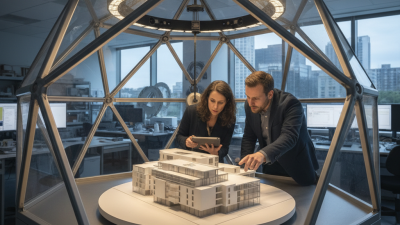
How to Use The Sun Simulator Heliodon for Accurate Design?
The Sun Simulator Heliodon is a crucial tool in architectural design. It allows designers to simulate sunlight conditions accurately. This simulation helps in evaluating how natural light interacts with a building's form and spaces.
Proper use of The Sun Simulator Heliodon can enhance energy efficiency and user comfort. By mimicking real-world sunlight, architects can make more informed decisions. They can observe how shadows move and where light penetrates.
However, challenges exist. Users need to fine-tune their settings to achieve accurate results. Misinterpretation of data can lead to design flaws. Reflecting on these experiences can lead to better practices in future projects.
Understanding the Sun Simulator Heliodon: A Comprehensive Overview
Understanding the Sun Simulator Heliodon: A Comprehensive Overview
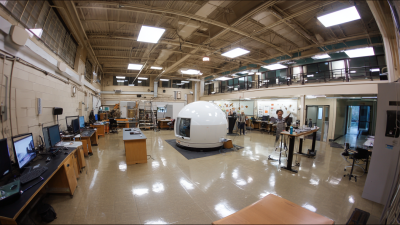
The Sun Simulator Heliodon is a powerful tool for architects and designers. It simulates sunlight in various conditions. This allows for accurate assessments of natural lighting in designs. The device recreates solar paths, helping users visualize shade, light distribution, and energy efficiency. It’s crucial for both aesthetic and functional aspects of a project.
Tips: Always check your setup before starting. The positioning of the model can greatly affect results. A slightly off angle can lead to misleading shadows. Test different orientations to understand the effects of the sun at various times of the year. Conducting multiple simulations can provide valuable insights.
The Heliodon serves not only designers but also educators. By demonstrating natural lighting effects, it cultivates a deeper understanding of solar influence. Students can witness firsthand how light interacts with spaces. Experimentation is vital, so encourage questioning of results. Some outcomes may seem counterintuitive. Embracing the learning process through reflections will enhance the design's efficiency.
Principles of Solar Simulation in Architectural Design
The principles of solar simulation play a crucial role in architectural design. By understanding how sunlight interacts with structures, architects can create spaces that enhance comfort and energy efficiency. Solar simulations help visualize light patterns, shadows, and heat gain throughout the day and across seasons. This knowledge is essential for optimizing building orientation, window placement, and material selection.
Heliodon, as a sun simulator, enables designers to replicate sunlight's path. It allows for precise measurements of solar angles at any given time. When using a Heliodon, careful attention must be paid to scale and model accuracy. A slight error in sizing can lead to misleading shadows and light projections. Achieving flawless simulations requires practice and critical evaluation of results.
Designing with solar principles is not without its challenges. Weather conditions and surrounding elements can influence light patterns unpredictably. Engaging with real-world observations alongside simulated data can bridge this gap. By consistently analyzing the outcomes of designs under different solar conditions, architects can refine their approach. This iterative process fosters innovation and ensures that designs respond effectively to natural lighting.
Step-by-Step Guide to Operating the Sun Simulator Heliodon
Operating the Sun Simulator Heliodon is essential for achieving precise architectural designs. Start by placing your model on the helidon platform. Ensure the positioning reflects your actual site, as this affects sunlight exposure. Adjust the model's tilt to match latitude, which can impact solar analysis.
Next, calibrate the simulator for accurate sun positions throughout the year. This device mimics solar angles effectively, allowing designers to visualize shadows and light patterns. Research indicates that improper sun orientation can lead to a 30% increase in energy costs due to inefficient lighting during peak hours.
During the simulation, observe how shadows cast on your model change. This reveals potential issues with glare or inadequate natural light. Many designs fail to account for seasonal variations, leading to discomfort and energy waste. Regularly reassess your design based on these insights. Remember, refocusing your approach can lead to smarter designs that are energy-efficient and more comfortable for occupants.
Analyzing Real-World Data from Heliodon Simulations for Design Accuracy
The Heliodon, a useful sun simulator, can significantly enhance design accuracy by providing real-world data. It mimics solar movement, allowing designers to study the impact of sunlight on various structures. By analyzing this data, architects can optimize layouts and reduce energy costs. Accurate simulations help visualize shadow patterns throughout the year.
Real-world analysis from Heliodon simulations reveals critical insights. However, the initial results might not always align with expectations. Facade orientation and local weather conditions can influence outcomes. Designers must adjust their strategies based on these findings. Understanding discrepancies is essential for refining designs.
Employing the Heliodon requires careful interpretation of simulation data. Observing daylight exposure can expose design flaws. This feedback loop encourages continuous improvement. While challenges arise, the potential for more sustainable designs makes the effort worthwhile. Embracing this tool fosters a deeper understanding of the relationship between light and architecture.
How to Use The Sun Simulator Heliodon for Accurate Design?
| Simulation Date |
Location |
Sun Angle (°) |
Shadow Length (m) |
Temperature (°C) |
Design Adjustment (cm) |
| 2023-01-15 |
New York, USA |
45 |
3.5 |
1.5 |
10 |
| 2023-03-22 |
Los Angeles, USA |
60 |
2.0 |
22 |
5 |
| 2023-05-10 |
Chicago, USA |
75 |
1.2 |
18 |
3 |
| 2023-08-30 |
Miami, USA |
90 |
1.0 |
30 |
1 |
| 2023-11-11 |
Seattle, USA |
30 |
4.0 |
10 |
15 |
Best Practices for Integrating Sun Simulation into Sustainable Architecture
The integration of sun simulation into sustainable architecture is critical for optimal design. Architects and designers can optimize energy use and reduce carbon footprints by understanding how sunlight interacts with buildings. Studies show that buildings designed with proper sunlight orientation can save up to 30% on energy consumption. This highlights the importance of using tools like Heliodon for accurate simulations.
Tips for effective sun simulation include ensuring proper calibration of the Heliodon to reflect actual geographic conditions. Regularly review and adjust your simulation parameters based on seasonal data. Be mindful of local climate variations, as they can impact results significantly. Remember, simulations should be viewed as tools for improvement rather than definitive predictions.
Another important aspect is early involvement in the design phase. Engaging with sun simulation early on allows for adjustments that enhance natural light use. The National Renewable Energy Laboratory (NREL) emphasizes that projects assessing daylight availability in initial stages often yield better occupant satisfaction and energy efficiency. Balancing aesthetics and functionality can be challenging, but it leads to more sustainable outcomes. Reflect on initial assumptions to maximize sun exposure benefits while minimizing overheating risks.

 Sensor
 Measuring Instruments
 Measurement Systems
 Architectural Physics Laboratory