Leave Your Message

What Is a Thermal Environment?

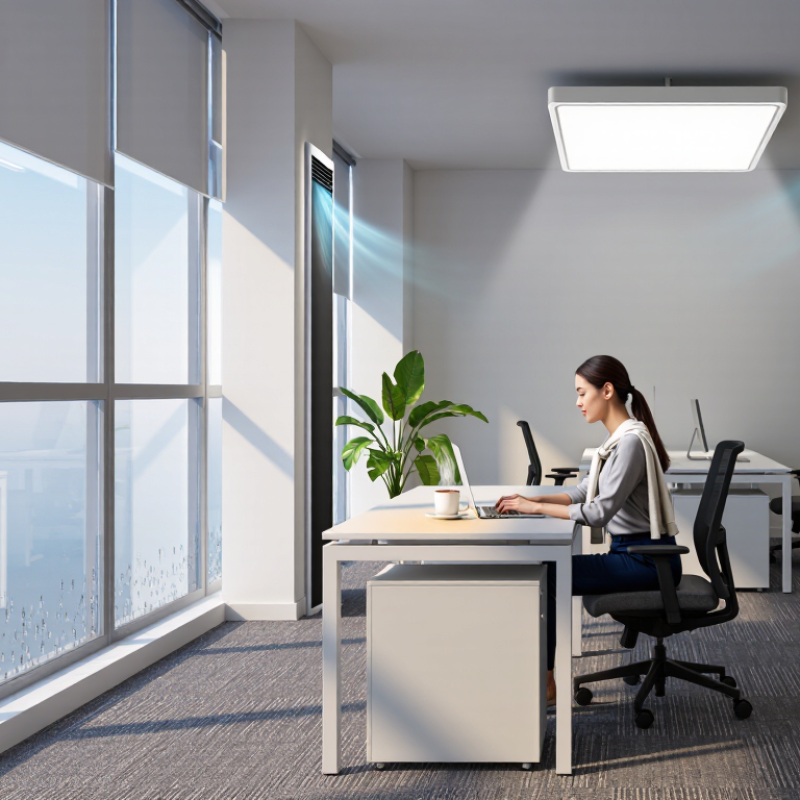
A Thermal Environment is more than the temperature shown on a wall thermostat. It describes the combined conditions that shape how people experience heat and cold indoors. Air temperature, radiant heat from surfaces, humidity, air movement, clothing, and activity all play a part. A sunlit desk beside a cold window can feel uncomfortable even when the room’s thermostat reads 22°C. Small differences matter.

ASHRAE Standard 55-2023 evaluates thermal comfort through interacting environmental and personal factors, rather than relying on one universal temperature. Its guidance helps engineers assess whether indoor conditions are likely to suit occupants. ISO 7730 offers another established framework, using measures such as Predicted Mean Vote and Predicted Percentage Dissatisfied. These methods support design decisions, but they cannot perfectly capture every person’s experience. A model is not the room.

Thermal conditions also have an energy consequence. The International Energy Agency’s Global Status Report for Buildings and Construction 2023 estimates that building operations account for about 30% of global final energy consumption and 26% of energy-related emissions. Those figures cover more than heating and cooling, yet they show why comfort and efficiency must be considered together. In practice, shading, ventilation, insulation, and controls can change both. This guide explains what defines a Thermal Environment, how it is assessed, and why real occupants may respond differently to identical conditions. The useful question is not simply, “What is the temperature?” It is, “How do the room, the person, and the building systems interact?”
What Is a Thermal Environment?

Define a Thermal Environment Through Four Heat-Exchange Variables

What Is a Thermal Environment?

A thermal environment describes how surrounding conditions influence heat exchange between a person and their surroundings. Four variables help define it: air temperature, mean radiant temperature, humidity, and air speed. Together, they shape how quickly the body gains or loses heat.

Air temperature is the warmth or coolness of the air, measured near the occupied area. Mean radiant temperature reflects heat from nearby surfaces, such as a sunlit window or a cold concrete wall. A room can feel warm beside a sunny pane, even when the air reading seems moderate. A thermostat reading alone may mislead.

Humidity affects how easily sweat evaporates from skin. Higher humidity can slow evaporation and make warm conditions feel heavier. Air speed describes moving air, from a quiet room to a noticeable draft. Faster airflow may increase heat loss, though its effect depends on air temperature and moisture. Small changes matter. A desk beside a vent may feel quite different from one across the room. Clothing and activity also influence comfort, but they are personal factors, not environmental variables. In practice, readings vary by location and time, so one measurement rarely tells the whole story.

Explain Human Heat Balance Using Metabolic Rate and Clothing Insulation

What Is a Thermal Environment?

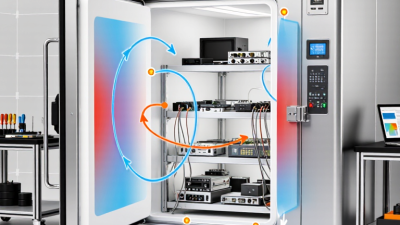
A thermal environment is not just a room’s thermostat reading. Human comfort depends on how quickly the body gains and loses heat. The body produces heat through metabolism, then releases it through skin and breathing. ASHRAE Standard 55 defines one met as 58.2 watts per square metre. That is roughly the rate for a relaxed, seated person. Walking briskly raises metabolic heat; sitting near a drafty window can feel chilly. Small differences matter.

Clothing changes heat loss. ISO 7730 expresses clothing insulation in clo; one clo equals 0.155 square metre-kelvin per watt. A light shirt offers less insulation than a wool sweater, so the same room may feel different. Comfort models also consider air temperature, mean radiant temperature, air speed, and humidity. A cold window can cause discomfort even when the thermostat looks reasonable. The numbers help, but they do not predict every person. I still find that sleeves, damp cuffs, and moving between rooms complicate neat calculations. Record activity and clothing, then compare readings with occupants’ actual sensations.

Measure Comfort with ISO 7730 Category B: PMV ±0.5, PPD <10%

What Is a Thermal Environment?

Measure Comfort with ISO 7730 Category B: PMV ±0.5, PPD <10%

A thermal environment is shaped by more than the thermostat reading. Air temperature, radiant heat from windows and walls, air speed, and humidity all affect how people feel. Clothing and activity matter too. A person sitting still in a light shirt may feel chilly near a draft, even when the room average looks acceptable.

ISO 7730 Category B uses Predicted Mean Vote (PMV) from −0.5 to +0.5, with Predicted Percentage of Dissatisfied (PPD) below 10%. PMV estimates the average thermal sensation of a group; PPD estimates the share likely to feel uncomfortable. These are targets, not promises. Some occupants may still feel warm or cold.

Good assessment pairs calibrated measurements with sensible assumptions about clothing and activity. For example, check conditions at desk height, away from direct sunlight, then compare readings across occupied zones. Ask people about recurring discomfort. The model can miss a sunlit chair or a brief draft. That matters. I would also revisit the assumptions; a neat result on paper can still feel wrong in the room.

Assess Workplace Heat Stress Using the ISO 7243 WBGT Index

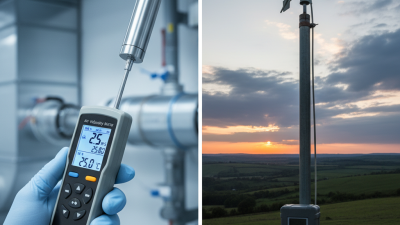
A thermal environment is more than the air temperature shown on a wall thermometer. Humidity, air movement, and radiant heat from machinery or sunlight all affect how hard the body must work to cool itself. The ISO 7243 WBGT index combines these environmental influences into a practical heat-stress screening measure.

Heat hides. Measure near the work area, during representative tasks, rather than relying on a reading from a cool office. A single reading can mislead.

WBGT results need context. Work intensity, clothing, and worker acclimatization influence heat strain, so compare readings with applicable reference values using the standard’s guidance. A hot, humid production floor may call for different controls than an outdoor task in direct sun. Consider shade, ventilation, planned recovery breaks, and access to drinking water. Recheck conditions when weather, equipment, or work pace changes.

The index supports decisions; it does not diagnose individual health. I would also record unusual conditions, even when they complicate a neat comparison.

Tips: Place the monitor where workers actually spend time. Allow it to stabilize as instructed. Note the time, location, task, and clothing. Repeat measurements during hotter periods, and encourage workers to report early signs of heat strain. Don’t guess from comfort alone.

Evaluate Indoor Conditions Against ASHRAE Standard 55 Criteria

What Is a Thermal Environment?

A thermal environment is the set of indoor conditions that shape how warm or cool people feel. ASHRAE Standard 55 provides methods for assessing whether those conditions support thermal comfort. It considers air temperature, radiant temperature, humidity, air movement, clothing, and activity level. Small differences matter. A sunny window can make one desk feel warmer than a nearby chair, even when both share the same thermostat setting.

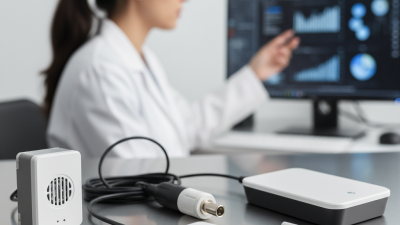
A useful assessment starts with representative measurements, not a single reading taken beside a vent. Record air temperature and humidity, and assess air speed and radiant conditions where people actually sit or work. Note clothing and typical activity, too. A person typing quietly may experience the same room differently from someone moving boxes. Standard 55 includes different assessment approaches, so the appropriate method depends on the space and its operating conditions.

Compare the gathered data with the criteria and method in the applicable edition of the standard. For naturally conditioned spaces, the adaptive approach may be relevant when its conditions are met. Document measurement locations, time of day, and occupant feedback; these details make results easier to interpret. One reading can look convincing on paper. Real rooms are less tidy, and comfort varies between people. That uncertainty deserves attention, not dismissal.

What Is a Thermal Environment? - Evaluate Indoor Conditions Against ASHRAE Standard 55 Criteria
Assessment Dimension Illustrative Indoor Data ASHRAE Standard 55 Consideration Preliminary Interpretation
Operative temperature 24.2 °C (75.6 °F) Comfort is assessed using an applicable method and depends on factors including air and radiant temperatures, air speed, clothing, and activity. A single temperature reading cannot establish compliance.
Air temperature 24.0 °C (75.2 °F) Used together with mean radiant temperature and other environmental and occupant variables in the comfort assessment. Record at representative occupied locations and heights.
Mean radiant temperature 24.5 °C (76.1 °F) Radiant conditions contribute to operative temperature; radiant asymmetry may also need evaluation. Check for hot or cold surfaces, windows, and strong radiant sources.
Relative humidity 50% Humidity is an input to some comfort calculations; it is not, by itself, a universal pass/fail comfort criterion. Interpret alongside temperature, air speed, clothing, and activity.
Average air speed 0.12 m/s (24 fpm) Air movement can affect comfort and should be assessed with the applicable method and conditions, including occupant control where relevant. Consider drafts and local air movement, not just a room-average reading.
Clothing insulation 0.5 clo (assumed) Clothing insulation is a required occupant input for the PMV-based assessment method. Confirm typical clothing for the occupants and season.
Metabolic rate 1.1 met (assumed: seated, light activity) Activity level affects occupant heat production and is required for PMV-based calculations. Use an activity estimate representative of the space and task.
PMV / PPD method Not calculated from the example data When this method applies, the comfort zone is generally evaluated against PMV from −0.5 to +0.5 and PPD below 10%. Calculate using complete, representative inputs before determining compliance.
Adaptive method applicability Not established by the example data The adaptive method is limited to spaces and operating conditions that meet the standard’s applicability requirements. Confirm the space and occupant-control conditions before using this method.
Overall result Illustrative example only; values are not field measurements A complete evaluation may also require checks for local discomfort and use of the applicable standard edition and method. No compliance conclusion can be made from this sample table alone.

Note: Sample values are illustrative, not measured results. Apply the relevant edition of ASHRAE Standard 55 and document measurement methods, occupant assumptions, and applicable comfort criteria.