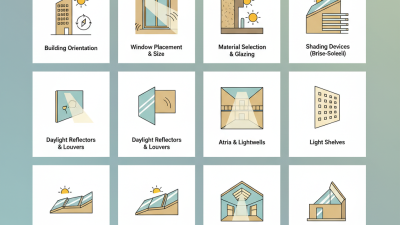
Heliodon Architecture represents a transformative approach to design. As spaces evolve, understanding sunlight patterns becomes crucial. Renowned architect Dr. Linda Chen emphasizes, “Designing with light is not just an art; it’s a science.” Her insights illustrate how Heliodon Architecture influences contemporary designs.
This approach integrates natural light into architectural spaces. It promotes energy efficiency and enhances well-being. Many experts believe this trend is reshaping cities worldwide. The focus on sustainable design isn’t just practical; it’s necessary for the future. As we embrace Heliodon Architecture, certain challenges persist. Not all designs can easily adapt to these concepts.
Critics argue that the reliance on sunlight can limit creative expression. While the advantages are clear, the limitations require reflection. Balancing artistry with functionality remains a significant hurdle. Heliodon Architecture brings light to the forefront of design discussions, challenging architects to innovate and rethink their strategies.
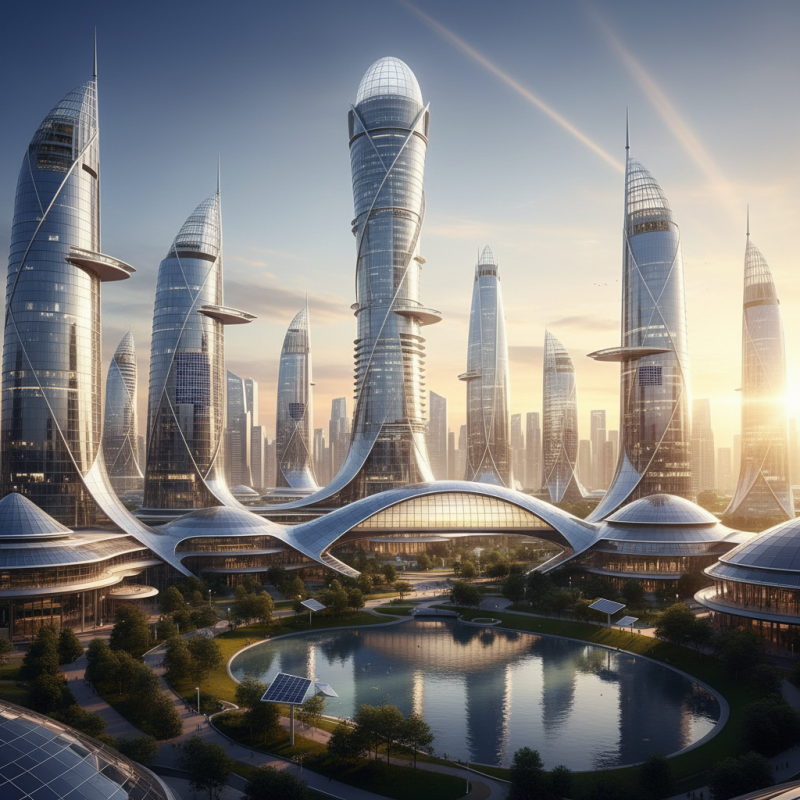
Biophilic design is reshaping the landscape of Heliodon architecture. This approach emphasizes a strong connection between people and nature. According to a recent report by the International Institute of Biophilic Design, buildings incorporating biophilic elements can reduce stress levels by up to 60%.
Integrating natural light and vegetation into architectural spaces boosts mental well-being. Research shows that spaces filled with plants increase productivity and creativity by 15%. To create a more balanced environment, consider adding water features that enhance sound and visual appeal.
Tips: Use natural materials like wood and stone in your design. These materials blend well with the environment and provide tactile experiences. Also, prioritize large windows to maximize natural light, fostering a sense of openness. Embracing biophilic design requires ongoing reflection, becoming aware of how elements impact human experiences. Explore ways to incorporate feedback from occupants to create more harmonious spaces.
| Trend | Description | Impact on Design | Sustainability Aspect |
|---|---|---|---|
| Natural Materials | Incorporation of stone, wood, and other organic materials in design. | Creates a warm, inviting atmosphere with aesthetic appeal. | Promotes the use of renewable resources, reducing carbon footprint. |
| Green Roofs | Use of vegetation on rooftops to enhance insulation and biodiversity. | Enhances urban aesthetics and provides recreational spaces. | Improves air quality and reduces heat island effect in cities. |
| Indoor Gardens | Integration of plant life into indoor spaces for wellness. | Boosts occupant morale and productivity. | Increases biodiversity even in urban settings. |
| Natural Light Design | Maximizing natural light through large windows and open spaces. | Creates a brighter, more cheerful space. | Reduces reliance on artificial lighting, saving energy. |
| Water Features | Incorporation of ponds, fountains, and waterfalls in designs. | Creates calming environments and enhances outdoor spaces. | Promotes biodiversity and water conservation techniques. |
| Flexible Spaces | Designing spaces that can easily adapt to different uses. | Enhances functionality and efficiency in use of space. | Encourages shared usage, minimizing resource waste. |
| Local Sourcing | Utilizing locally-sourced materials and labor in construction. | Supports local economies and reduces transport emissions. | Highlights sustainable community practices. |
| Climate Responsive Design | Adapting architecture to local climate conditions. | Maximizes comfort and minimizes energy use. | Encourages the use of passive heating and cooling techniques. |
| Smart Technologies | Integration of technology for smarter resource management. | Enhances functionality and energy efficiency. | Promotes efficient use of water, energy, and waste management. |
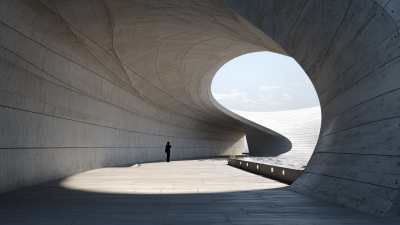
The architectural landscape is significantly shaped by innovative sustainable materials. Recent studies show that about 70% of architects prioritize sustainability in their designs. New materials are emerging, making structures more efficient. For instance, self-healing concrete is gaining popularity. This material can repair its cracks, extending the lifespan of buildings and reducing maintenance costs.
Recycled materials like timber and metal are also making an impact. They not only lower carbon footprints but also add unique aesthetics to structures. A report from the Global Sustainability Institute indicates that buildings using recycled materials can reduce waste by up to 50%. However, challenges remain. Many architects still face difficulties sourcing these materials consistently.
Biodegradable composites are another trend worth noting. They break down naturally and lessen environmental impact. While the benefits are clear, their performance in extreme conditions needs further exploration. The balance between sustainability and practicality requires ongoing dialogue in the industry. Architects must continue to adapt as new solutions arrive, ensuring their designs meet both aesthetic and ecological standards.
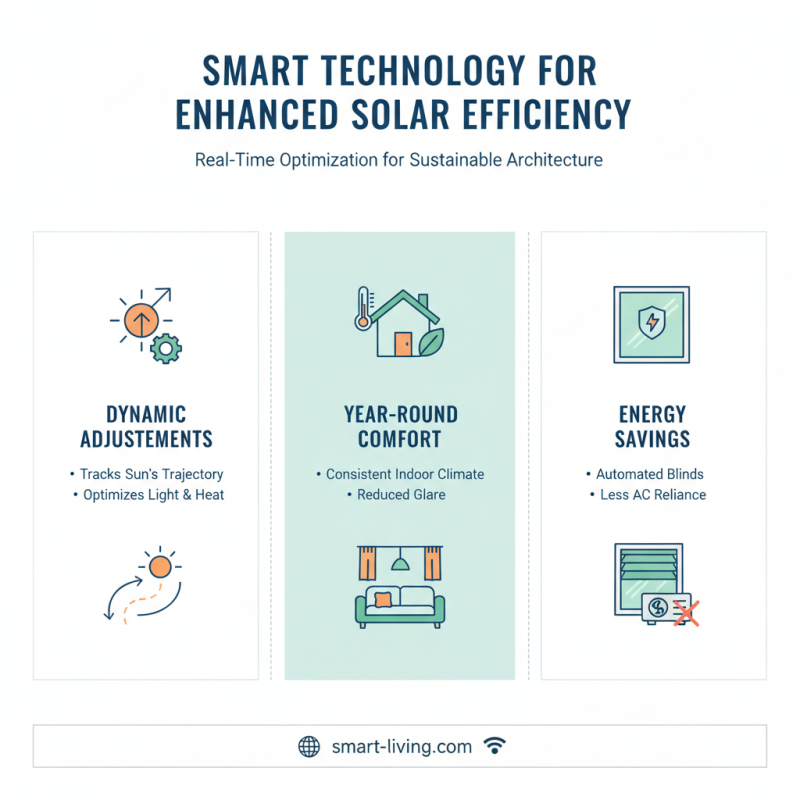
The integration of smart technology in architecture is transforming how we approach solar efficiency. More designers are embracing systems that adjust in real time to the sun's trajectory. These systems optimize light and heat, ensuring spaces are comfortable year-round. For instance, automated blinds can close during peak sunlight hours, reducing the need for air conditioning.
However, challenges remain. Not all buildings have the right infrastructure for smart tech integration. Some architects may find it difficult to balance aesthetics with functionality. Moreover, reliance on technology raises questions about longevity and maintenance. It’s crucial for the design community to reflect on these issues regularly. Smart technology should enhance human experience without compromising sustainability or operability.
In addition to functionality, there's a push for intuitive design. Users want systems that are easy to control. Integrating user-friendly interfaces can help achieve this goal. Architectures can implement sensors to gather data on usage patterns. This data informs design decisions, making spaces more efficient. It’s an evolving journey where trial and error play a critical role in shaping the future of sustainable architecture.
The adaptive reuse of spaces has gained momentum in recent years. Designers are increasingly utilizing heliodon applications to create environments that enhance sustainability. By analyzing sunlight patterns, architects can redesign existing structures to improve energy efficiency. These approaches not only preserve historical buildings but also breathe new life into urban spaces.
One notable trend involves transforming warehouses into residential lofts. Developers harness natural light to brighten interiors. This process creates unique living environments while minimizing the need for new materials. Another example is the conversion of factories into creative hubs. These spaces become vibrant centers for community engagement while respecting their industrial heritage.
However, challenges remain in the implementation of heliodon strategies. Adapting buildings often involves balancing modern needs with historical integrity. Some projects may overlook functionality in favor of aesthetics. To truly succeed, architects must remain vigilant about user experience and environmental impact. The evolving landscape of adaptive reuse requires ongoing reflection and adjustment.
Climate change significantly influences architectural strategies. Heliodons are essential tools in adapting designs to optimize natural light and minimize energy use. According to a report from the U.S. Green Building Council, buildings contribute nearly 40% of global carbon emissions. Effective heliodon-based strategies can reduce energy consumption by up to 30%.
Recent trends emphasize passive design. This approach uses local climate data to enhance energy efficiency. Reports highlight that over 60% of architects now incorporate sustainable features in their designs. Notably, many buildings now integrate green roofs and solar panels to combat rising temperatures. Yet, it's challenging to balance aesthetics and functional performance.
However, not all designs succeed. Some architects struggle to fully harness heliodon potential. Many projects still fail due to inadequate analysis of local sunlight patterns. Future developments must reflect a deeper understanding of environmental context. Rethinking these strategies will be vital as climate change progresses and impacts urban architecture.
The chart above displays the top 10 Heliodon architectural trends significantly influencing global design practices. Each trend is ranked based on its popularity index, highlighting the growing emphasis on sustainable and climate-responsive design strategies.