What is Heliodon Architecture and Why is it Important?
Heliodon Architecture plays a crucial role in how buildings interact with sunlight. By understanding sunlight patterns, architects can design more energy-efficient and comfortable spaces. Renowned architect Dr. Emily Carter states, “The essence of Heliodon Architecture lies in its ability to harmonize natural light with our living spaces.”
This architectural approach emphasizes the importance of orientation and shading. Incorporating Heliodon principles can significantly enhance thermal comfort. Structures designed with these principles in mind often require less heating and cooling. Yet, many architects overlook this critical aspect. Some buildings suffer from poor natural light control, leading to discomfort.
In essence, Heliodon Architecture is not just about aesthetics. It directly impacts energy consumption and environmental sustainability. Engaging with these principles can elevate design from mere functionality to a blend of efficiency and beauty. As we move forward, embracing Heliodon Architecture will be essential for future developments.
What is Heliodon Architecture?
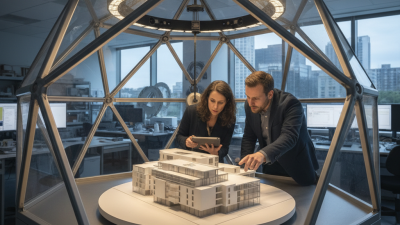
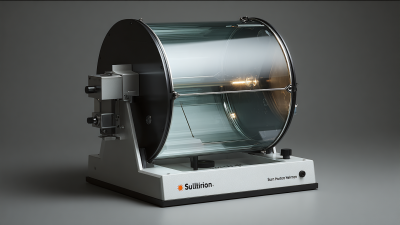
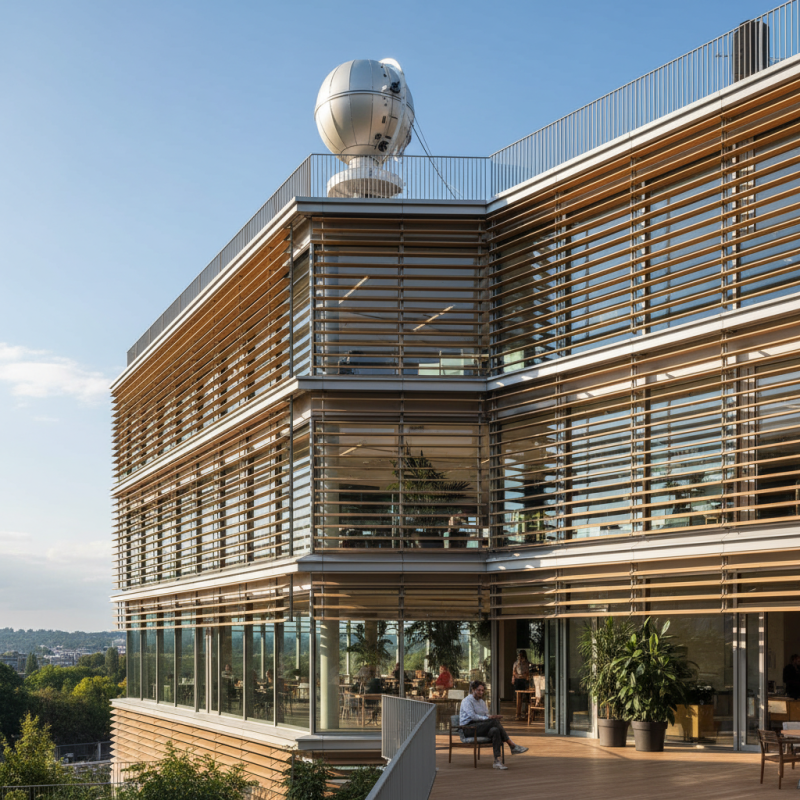
Heliodon architecture is a design approach that focuses on understanding how sunlight interacts with built environments. This method uses physical models to simulate sunlight patterns. By manipulating a model, architects can observe how light and shadow affect spaces throughout the year. This practical visualization helps create designs that utilize natural light effectively.
Implementing heliodon principles can enhance energy efficiency in buildings. For instance, strategic window placements can maximize sunlight during winter months, reducing heating needs. However, achieving this balance can be challenging. Urban landscapes may obstruct sunlight. Each site presents unique challenges that require careful consideration of orientation and the surrounding environment.
Designers must reflect on these complexities. The impact of local climate should heavily influence decisions. Additionally, as seasons change, so does sunlight exposure. Not all designs will succeed on the first attempt. Constant evaluation and adjustment are essential for creating harmonious buildings that interact positively with their surroundings. This iterative process promotes sustainable architecture that can thrive in various conditions.
Historical Background of Heliodon Architecture
Heliodon architecture has emerged as a vital practice in sustainable design. Its roots trace back to ancient civilizations that carefully oriented buildings to optimize daylight and minimize energy use. Ancient Greeks utilized heliodon principles to enhance thermal comfort. They positioned structures to exploit passive solar heating and daylighting. These early practices laid the groundwork for modern architectural strategies.
Significantly, research indicates that buildings designed with solar orientation can reduce energy consumption by 30% to 50% (Source: International Energy Agency). This shows the enduring relevance of heliodon techniques. When architects disregard sunlight paths, they often create environments that suffer from excessive heat or poor lighting. The consequences can lead to increased energy costs and reduced occupant comfort.
Tips: Always consider a site’s solar orientation in your designs. Use tools like sun path diagrams to inform your choices. Collaborate with environmental engineers for insights on optimizing energy efficiency. Remember, the evolving climate requires thoughtful adaptations in architecture. Even small adjustments can have significant impacts on energy conservation efforts.
What is Heliodon Architecture and Why is it Important? - Historical Background of Heliodon Architecture
| Aspect |
Description |
Importance |
Historical Significance |
| Definition |
Heliodon architecture refers to the design principles that account for the sun's path and its impact on buildings. |
Enhances energy efficiency and comfort in buildings. |
Originated in mid-20th century architecture studies. |
| Key Elements |
Orientation, window placement, overhangs, and shading devices. |
Directly affect passive solar heating and cooling. |
Developed alongside sustainability practices in the 1960s and beyond. |
| Benefits |
Reduces energy costs, improves indoor air quality, and enhances natural lighting. |
Promotes sustainable living and reduces environmental impact. |
Part of a broader movement towards environmentally conscious architecture. |
| Modern Applications |
Used in residential and commercial building designs worldwide. |
Essential for meeting green building standards. |
Evolved from theoretical models to practical applications in architecture. |
Principles and Techniques in Heliodon Design
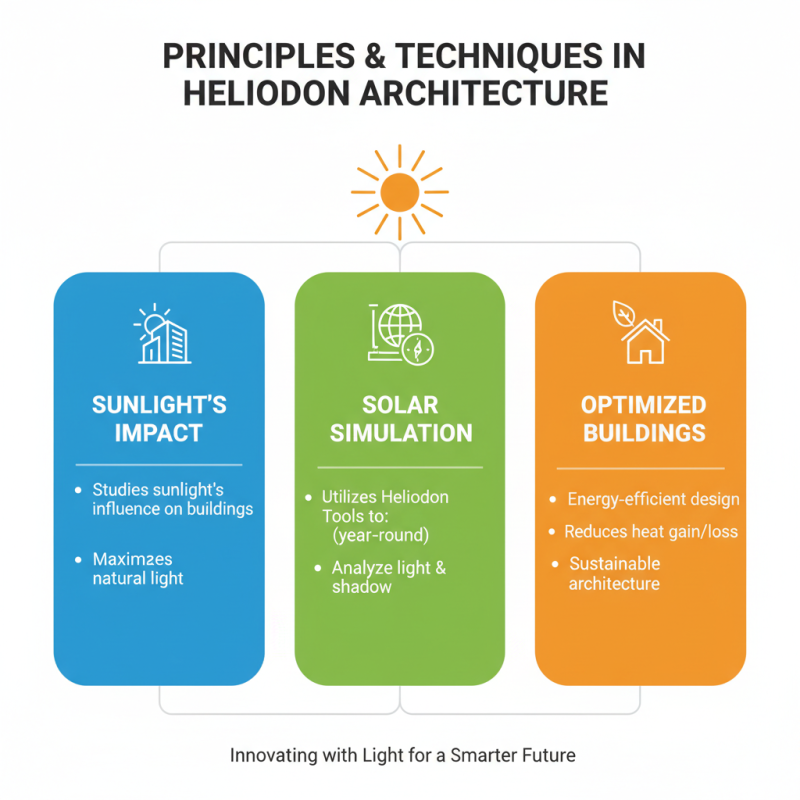
Heliodon architecture is a fascinating field that emphasizes sunlight's impact on built environments. In this design methodology, architects utilize tools to simulate solar patterns. By doing this, they can predict how sunlight influences spaces throughout the year. This approach is vital for creating energy-efficient buildings that maximize natural light while minimizing heat gain and loss.
When it comes to principles in heliodon design, understanding the sun’s path is essential. Architects often rely on software simulations to visualize how light enters a space. This leads to better decisions about window placement and shading. Techniques like passive solar design incorporate thermal mass to regulate indoor temperatures. Such strategies promote sustainability and reduce reliance on artificial heating and cooling systems. However, not all designs achieve the desired balance. Reflecting on failures is as crucial as celebrating successes in this field.
Materials also play a significant role in heliodon architecture. Choosing the right colors and finishes can enhance or diminish natural light effects. For instance, lighter colors reflect sunlight, aiding in brightness. Yet, these choices might lead to unwanted glare. It's a complex dance of experimenting and learning. Each project presents unique challenges that require thoughtful reflection and adaptation. The journey of heliodon design is ongoing, pushing professionals to continually refine their approach.
Benefits of Heliodon Architecture for Sustainable Building
Heliodon architecture offers a fresh approach to sustainable building design. By simulating sunlight and shadow, it helps architects understand how a structure interacts with the sun’s path. This method ensures that buildings maximize natural light while minimizing energy consumption. Adjusting designs based on these simulations can reduce reliance on artificial lighting and heating systems, ultimately leading to lower utility bills.
One significant benefit of heliodon architecture is its impact on occupant well-being. Structures designed with sunlight in mind provide better indoor environments. Access to natural light has been shown to improve mood and productivity. However, there is a fine line to balance. Too much light can cause overheating, leading to discomfort. Effective heliodon analysis helps in predicting these challenges early in the design phase.
Sustainable building is not just about energy efficiency; it’s about creating spaces that enhance life quality. While heliodon architecture has many benefits, it's important to recognize its limitations. Not every design challenge can be addressed through sunlight simulation alone. Constant reflection on results and methods helps architects evolve their practices, ensuring a more holistic approach to environmental design.
Benefits of Heliodon Architecture for Sustainable Building
Heliodon architecture offers various benefits in creating sustainable buildings. The chart below illustrates the key advantages associated with Heliodon architecture, focusing on energy efficiency, reduced carbon footprint, improved occupant comfort, and enhanced aesthetic value.
Applications of Heliodon in Modern Urban Planning
Heliodon architecture plays a crucial role in modern urban planning. It allows architects to simulate sunlight at specific locations and times of the year. By doing this, planners can understand how natural light interacts with buildings. This knowledge is vital for
optimizing energy use and enhancing comfort.
Several urban projects utilize heliodon principles. For instance, parks and green spaces benefit greatly. Proper sunlight exposure helps with plant growth. It also improves public enjoyment. However, implementing heliodon techniques poses challenges. Urban densities may restrict light access for some buildings. Designers must overcome these obstacles to create
sustainable spaces.
Considering the implications of heliodon architecture invites reflection. While it offers clear benefits, not all structures benefit equally. Balancing light access and shading is a complex task. Misjudgments can lead to uncomfortable environments or increased energy costs. Every urban plan should be a
thoughtful response to these nuances.

 Sensor
 Measuring Instruments
 Measurement Systems
 Architectural Physics Laboratory