Top Heat Stress Monitors for Global Buyers in 2026?
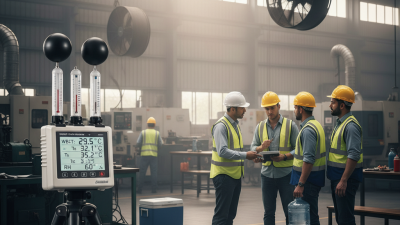
In 2026, the demand for Heat Stress Monitors is expected to rise significantly. These devices play a vital role in various industries, ensuring worker safety in high-temperature environments. Effective monitoring allows companies to minimize health risks associated with heat stress.
As global temperatures continue to soar, understanding heat stress becomes crucial. Advanced Heat Stress Monitors offer real-time data, helping organizations make informed decisions. However, not all monitors provide the same level of accuracy and reliability. Selecting the right device can be daunting.
Industry leaders must prioritize devices with proven expertise and authority. The best monitors adhere to stringent standards. They provide vital climate data and ease the decision-making process. Investing in quality Heat Stress Monitors is essential for overall workplace safety. Users should continuously evaluate their effectiveness to avoid potential pitfalls.
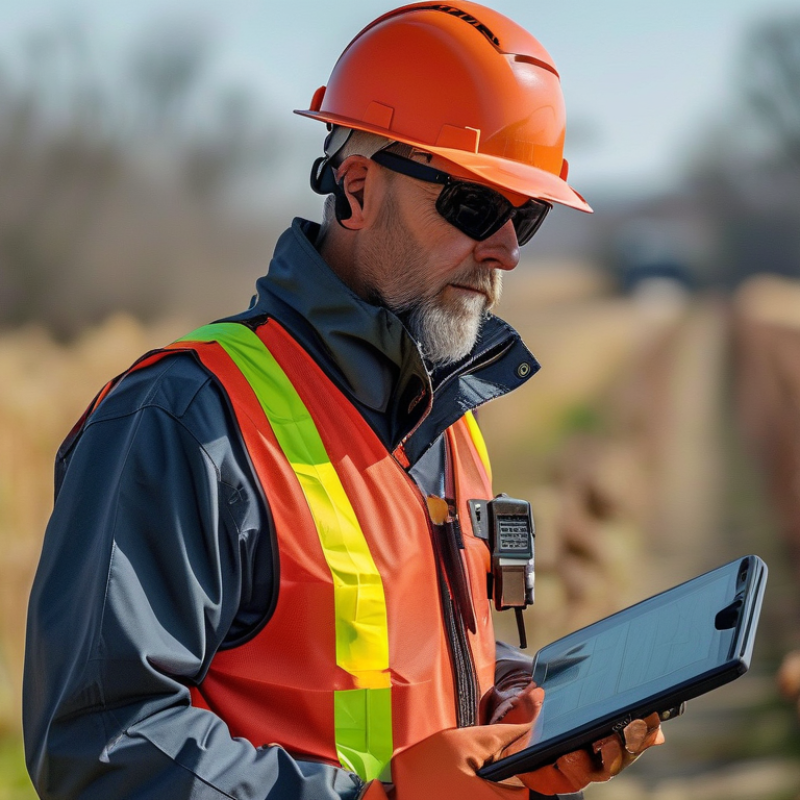
Overview of Heat Stress Monitoring Technology in 2026
In 2026, heat stress monitoring technology is poised for significant advancements. According to recent industry reports, the global market for heat stress monitors is expected to reach $1.2 billion by the end of the year. This growth is driven by heightened awareness of heat-related illnesses across various sectors, including agriculture and construction.
Modern heat stress monitors utilize sophisticated sensors to measure temperature, humidity, and other environmental factors. These devices often integrate artificial intelligence for real-time data analysis. Reports suggest that employers using these technologies can reduce heat-related incidents by up to 30%. This statistic underscores the importance of investing in innovative monitoring solutions.
However, challenges remain. Not all industries have adopted these technologies equally. Some sectors, particularly small farms, lag in implementation. Budget constraints and lack of knowledge hinder progress. Continuous education and accessible solutions are essential to ensure all workers benefit from monitoring innovations. As the industry matures, a collective effort will be crucial to overcome these hurdles.
Top Heat Stress Monitors for Global Buyers in 2026
Key Features to Look for in Heat Stress Monitors
When selecting a heat stress monitor, there are key features to consider. Look for sensors that measure environmental conditions accurately.
Temperature, humidity, and air movement readings are essential. A reliable monitor should also provide real-time data for instant feedback.
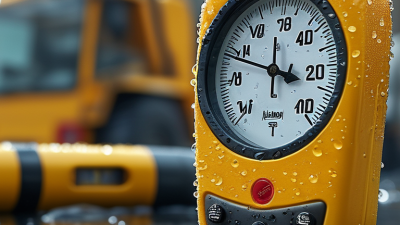
Display options matter. Choose devices with easy-to-read screens. Many monitors offer color coding. This feature quickly conveys risk levels.
An intuitive interface is a must for quick understanding, especially in emergencies.
Consider connectivity features as well. A good heat stress monitor should integrate with other systems. Remote access allows for monitoring from various locations. This is particularly useful for organizations with large work sites.
Tips: Regularly calibrate your devices. Inaccurate readings can lead to dangerous situations. Training users in interpreting data greatly improves safety outcomes.
Always remain vigilant; heat stress can affect anyone unexpectedly.
Top Brands and Devices for Heat Stress Monitoring in 2026
In 2026, heat stress monitoring devices will be essential for a variety of sectors. These tools help individuals and organizations manage exposure to high temperatures effectively. Many devices offer real-time data, ensuring prompt responses to heat-related risks. The accuracy of measurements is crucial in preventing heat stress, especially for outdoor workers or athletes.
When selecting heat stress monitors, users should consider several factors. First, sensor reliability matters. Devices equipped with advanced sensors provide more accurate readings. Battery life is another important consideration, especially in remote locations. Ease of use can also impact their effectiveness; complicated interfaces can lead to errors in data interpretation.
While there are many options available, not all monitors perform equally well. Some may lack user-friendly features, which can hinder usage in emergency situations. It's vital for buyers to research reviews and seek expert advice. Engaging with user experiences can uncover valuable insights about device performance in real-world conditions.
Global Market Trends and Consumer Preferences for Heat Stress Monitors
As global temperatures rise, heat stress monitors are becoming more crucial. These devices help track environmental conditions to help prevent heat-related illnesses. In 2026, buyers are looking for monitors that blend accuracy with user-friendly designs. Reliability is paramount in this market.
Consumers value data precision. They seek monitors that provide real-time updates and insights. A device may include temperature, humidity, and even UV index readings. Buyers desire features that enhance usability. Battery life and durability are now factors in their decisions. Many prefer devices that can sync with mobile apps for easier accessibility.
**Tips:**
Choose monitors that are easy to read. Clear displays help avoid errors in interpretation. Look for devices with long battery life, especially for outdoor use. Regularly check calibration to ensure accurate readings.
Sustainability is another emerging trend. More buyers are leaning towards eco-friendly options. They appreciate products made from recyclable materials. Remember, high-tech features can also come with a steep learning curve. Selecting the right monitor requires careful thought and consideration.
Future Innovations and Challenges in Heat Stress Monitoring Solutions
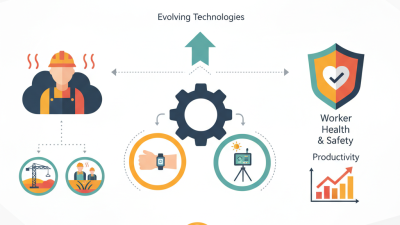
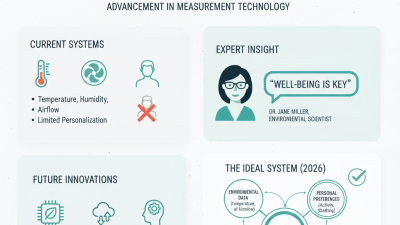
Heat stress monitoring is evolving rapidly. As global temperatures rise, the need for effective solutions increases. Tech advancements are key. New sensors are being developed to provide real-time data on environmental conditions. These sensors can measure humidity, temperature, and air flow. The goal is to ensure the safety of workers in various sectors, especially agriculture and construction.
However, challenges remain. Many existing solutions lack accuracy. Calibration issues can lead to misleading readings. Also, users may not fully understand how to interpret data. Training is necessary for proper utilization. Moreover, integrating these technologies into daily operations may prove complex. Companies must adapt to new systems and invest in staff education.
Innovation is at the forefront of heat stress monitoring. Wearable devices are gaining popularity. These gadgets can detect body temperature and sweat levels. They provide insights into individual heat exposure. But the reliability of this technology can vary significantly. Research is ongoing to improve these devices. Continuous improvement is crucial for ensuring safety in extreme conditions. The need for collaboration between experts and industries is evident to tackle these challenges effectively.

 Sensor
 Measuring Instruments
 Measurement Systems
 Architectural Physics Laboratory