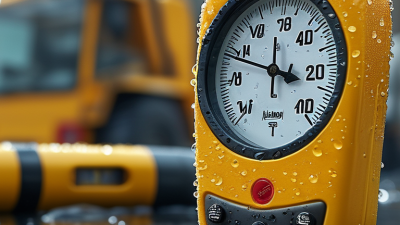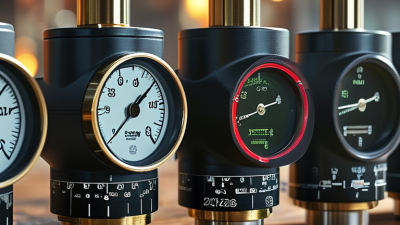
Choosing a Humidity Calibration Kit is a metrology decision, not just a purchasing exercise. A kit may include a humidity generator, reference probe, chamber, and software, yet those parts matter only when their performance suits the sensors being checked. Small differences count. A few percentage points of relative humidity can affect laboratory records, product storage, and field measurements.
The World Meteorological Organization’s Guide to Instruments and Methods of Observation provides technical guidance for humidity measurements. NIST calibration documentation also describes the importance of traceability and measurement uncertainty. These are useful reference points when comparing suppliers, though they do not certify every commercial kit. As metrologist Lord Kelvin famously observed, “When you can measure what you are speaking about, and express it in numbers, you know something about it.” That principle fits humidity calibration well. Buyers should ask for calibration ranges, stated uncertainty, traceability details, and service support—not just a polished specification sheet. Ask for evidence. A supplier’s response can reveal gaps that a product brochure misses. Published market reports often combine humidity instruments with broader sensor categories, so their market totals may not describe calibration kits specifically. That limitation deserves attention. This guide introduces suppliers for global buyers and highlights practical checks for evaluating their claims. The right choice depends on the application, the required accuracy, and the support available after delivery.
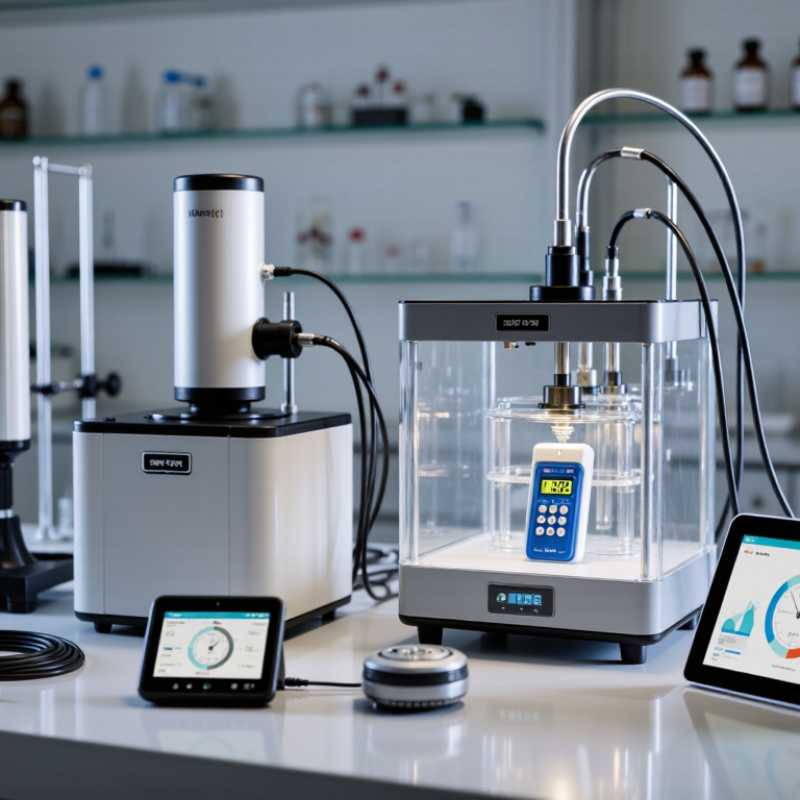
Humidity calibration kits help check whether sensors report moisture accurately. Most kits combine a stable humidity source, a reference instrument, and an enclosure. Some use controlled chambers; simpler field kits may use sealed containers and humidity standards. The right setup depends on sensor range, required accuracy, and where checks take place. A kit does not automatically make every result traceable. Its reference instrument needs current calibration records and suitable measurement uncertainty.
In a laboratory, technicians may verify probes before a test series. Building teams use checks to investigate damp rooms or drifting HVAC readings. Food storage facilities and museums may monitor humidity to protect sensitive materials. For useful comparisons, keep the probe at the same height and away from wet walls. Allow readings to settle; rushed checks can look convincing but still mislead.
Tips: Note room temperature, kit identification, and stabilization time. Avoid touching sensing surfaces. Repeat readings if they wander. Small details matter. One limitation is easy to miss: a kit may not reproduce rapid humidity changes. Consider that gap when choosing a setup.
Saturated salt solutions provide approximate, stable relative humidity reference points for checking and calibrating humidity instruments. The values shown are equilibrium relative humidity values at 25°C; actual results can vary with temperature, preparation, and measurement conditions. Multi-point checks help assess performance across an instrument’s operating range.
When evaluating global suppliers of humidity calibration kits, start with the measurement range and stated uncertainty. Match these values to the sensors and environments you actually test, not just the catalogue headline. A kit designed for routine checks may not suit low-humidity work or tight process tolerances. Ask for calibration certificates that identify the methods, reference standards, results, and due dates. Traceability matters. A clean certificate alone is not enough; confirm whether the stated uncertainty covers the full operating range.
Check the physical setup as carefully as the paperwork. A stable chamber, sealed fittings, suitable probes, and clear operating instructions help reduce avoidable variation. Small details matter. Request evidence from comparable applications, plus information on spare parts and realistic repair times in your region. Confirm how the supplier handles training, software updates, and recalibration after service. Shipping time and local support can affect uptime more than a small price difference. Compare quotations with the same scope, including accessories and recurring costs. Specifications can be hard to compare, so request raw performance data when possible. A slight difference in probe placement may still shift a reading.
Humidity calibration kit suppliers tend to cluster around three needs: laboratory reference work, field verification, and production-line checks. The World Meteorological Organization’s Guide to Instruments and Methods of Observation (WMO-No. 8, 2021) treats relative humidity as a 0–100% measurement range. Buyers should therefore check a kit’s usable range, stability, and stated uncertainty—not just its advertised accuracy. Small details matter. A probe may need a chamber, salt standards, or a traceable reference instrument, depending on the method.
Laboratories often favor suppliers that provide uncertainty budgets, calibration certificates, and support for ISO/IEC 17025 workflows. Field teams usually need compact chambers, simple setup, and reliable performance across changing temperatures. Production users may prioritize repeatable checks at set humidity points and clear records for audits. NIST’s humidity calibration guidance describes traceability through temperature and dew-point measurements, useful when comparing supplier methods. Ask how often standards need replacement. Ask for example calibration data, too. A polished certificate is not enough. Supplier coverage varies by region, and service delays can matter more than a small difference in stated accuracy. That point is easy to overlook.
A useful humidity calibration kit should match the instruments and working conditions in your laboratory. Some suppliers offer compact kits with sealed humidity standards, sensors, and a temperature probe. Others provide portable generators, reference hygrometers, or accessories for chamber testing. Check the usable humidity range, temperature limits, and stated uncertainty. A kit that covers many points may still be awkward for routine field checks. Small details matter: Can its case hold the sensor safely? Are replacement standards easy to obtain? Try to picture the kit on a crowded workbench.
Support can be as important as product range. Ask whether setup guidance, calibration procedures, and troubleshooting help are available in your time zone. Clear instructions should explain stabilization time, sensor placement, and how to record results. Response speed matters. So does technical depth. A quick reply is not useful if it avoids the measurement question. I have seen purchasing decisions focus heavily on price, then overlook training and consumables; that trade-off deserves a second look.
Compliance claims need careful review. Request sample certificates and confirm that they identify the instrument, calibration points, uncertainty, and traceability details. If accredited calibration is required, verify the laboratory’s scope covers the relevant humidity range and method. ISO/IEC 17025 accreditation can be relevant, but the logo alone does not prove scope. Global buyers should also check documentation language, import paperwork, and service access in their region. Paperwork can be tedious. It can also prevent expensive delays.
This comparison describes common supplier categories rather than ranking or identifying individual companies. Product availability, performance, service coverage, and accreditation vary by supplier and by the specific instrument or service scope; confirm details directly before purchasing.
| Supplier Type | Typical Product Range | Support Commonly Offered | Compliance and Documentation to Check | Best Fit |
|---|---|---|---|---|
| Humidity Generator Manufacturer | Humidity generators and calibration systems; configurations may use two-pressure, divided-flow, or other humidity-generation methods. Options can include measurement chambers, reference sensors, and control software. | Application guidance, installation and commissioning, operator training, maintenance, and instrument-specific service. Confirm the availability of local support and response times. | Request calibration certificates and uncertainty information for the supplied system. If accredited calibration is required, verify that the relevant humidity measurand and range are included in the provider’s ISO/IEC 17025 accreditation scope. | Laboratories and production facilities needing controlled humidity generation or a dedicated calibration setup. |
| Metrology or Calibration Laboratory | Humidity calibration services for instruments such as relative-humidity probes, transmitters, and data loggers. Some laboratories also supply reference equipment or provide on-site calibration. | Calibration planning, measurement reports, uncertainty statements, and advice on calibration intervals may be available. On-site service depends on the laboratory’s methods and service area. | Check the laboratory’s current ISO/IEC 17025 accreditation certificate and scope. Confirm the instrument type, measurement range, method, and location covered; accreditation does not automatically cover every service offered. | Buyers who need documented calibration results, particularly where an accredited service is specified by a quality system or contract. |
| Industrial Instrument Distributor or Integrator | May offer humidity calibration kits alongside probes, transmitters, handheld meters, data loggers, and compatible accessories from multiple product lines. | Product selection assistance, quotations, delivery coordination, basic setup support, and access to manufacturer service channels may be available. Ask who performs calibration and repairs. | Confirm the identity and scope of the calibration provider, the traceability information supplied, and whether certificates meet the buyer’s requirements. A distributor’s quality certification alone does not establish accredited calibration capability. | Organizations seeking a single purchasing channel for instruments, accessories, and related support. |
| Portable Field-Kit Supplier | Portable humidity calibration or verification kits may include a compact enclosure, reference instrument, accessories, and, where applicable, humidity sources such as prepared salt solutions. Contents and method differ by kit. | Guidance on setup, stabilization, handling, and replacement consumables may be offered. Confirm environmental limits and whether the kit is intended for verification or formal calibration. | Review the method, reference data, stated uncertainty, operating instructions, and certificate documentation. Saturated salt solutions can provide defined humidity conditions under specified conditions, but are not a substitute for a calibrated generator in every application. | Field teams and facilities needing portable checks or routine verification away from a fixed calibration laboratory. |
| Reference-Instrument and Sensor Specialist | Reference hygrometers, chilled-mirror dew-point instruments, reference probes, and related accessories. Some suppliers provide complete kits; others focus on reference instruments only. | Technical assistance with sensor compatibility, measurement setup, comparison procedures, and service or recalibration options may be available. | Check calibration status, measurement range, stated uncertainty, traceability, and any applicable accreditation scope. Verify that the reference instrument’s performance is suitable for the intended comparison and uncertainty requirement. | Users who already have a humidity chamber or generator and need a suitable reference instrument. |
When selecting a humidity calibration kit supplier, start with your working range, not the catalogue headline. A chamber used near 30% RH needs different check points from one used near 80% RH. Ask for the kit’s usable range, stated uncertainty, stabilization time, and recommended verification interval. Check that sensors, reference instruments, and accessories suit your chamber size and operating temperature. Small details matter.
Request a sample calibration certificate before buying. It should identify the reference standards, traceability, measurement points, and uncertainty. ISO/IEC 17025 accreditation can support confidence, but verify that the accredited scope covers the relevant humidity measurements. ISO’s 2022 Survey recorded 1,265,216 ISO 9001 certificates worldwide; that figure reflects quality-system certification, not proof of calibration competence. Keep that distinction clear. A polished certificate is not the whole story.
Ask how the supplier handles shipping, repairs, training, and recalibration delays. A kit that sits abroad for weeks may disrupt routine checks. Compare the quoted uncertainty with your process tolerance, rather than choosing the lowest price. Even a well-documented kit can miss real chamber gradients if placement is poor. Ask for practical guidance on probe position and stabilization, then record those steps in your procedure. Check the range. Keep records.