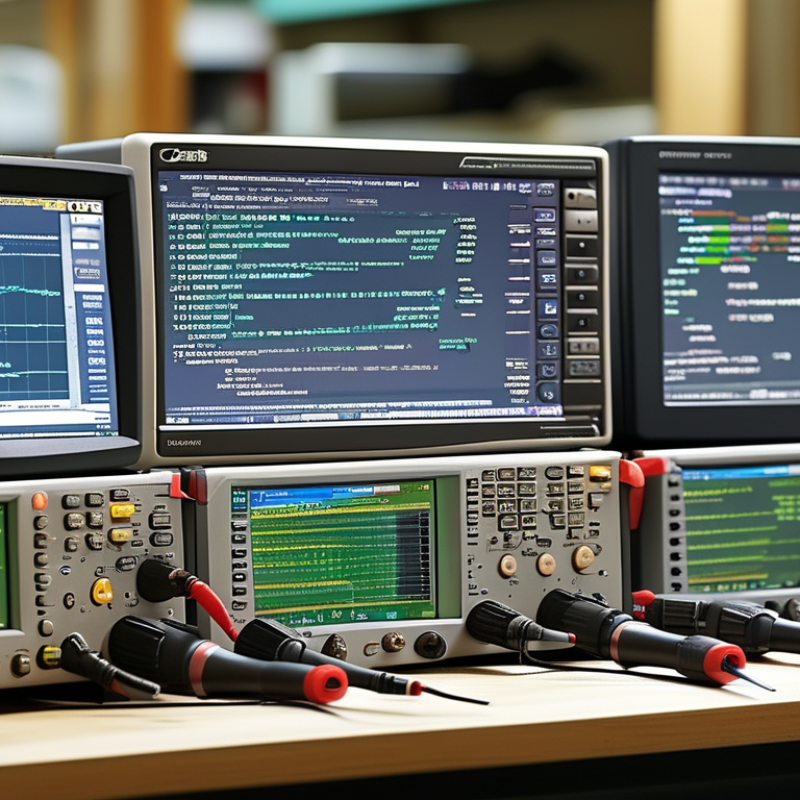
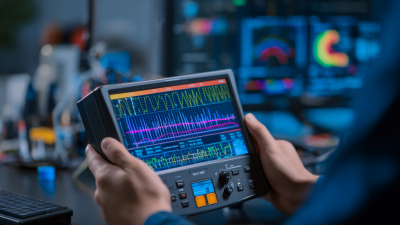
How to Choose the Best Multi-Channel Measuring Instruments?
Choosing the best Multi-Channel Measuring Instruments can be daunting. As Dr. Emily Carter, a renowned expert in measurement technology, states, “Selecting the right instruments is critical for precise data collection.” This highlights the importance of informed decision-making in this field.
Multi-Channel Measuring Instruments can significantly enhance research and development efforts. However, the variety available often leads to confusion. Features like accuracy, range, and ease of use all matter. Users should consider their specific needs and test multiple options.
Reflecting on personal experience in the industry reveals that not every user needs the latest technology. Simplicity can sometimes yield better results. Therefore, understanding your requirements and the instruments' capabilities is essential. Balancing advanced features with practical use is crucial for making the right choice.
Understanding Multi-Channel Measuring Instruments and Their Uses
Multi-channel measuring instruments are vital for various industries, including manufacturing and healthcare. These tools allow simultaneous measurement of multiple parameters, increasing efficiency. According to a recent report from MarketsandMarkets, the multi-channel measuring instrument market is projected to grow to USD 5 billion by 2025. This growth highlights their importance in real-time data collection and analysis.
Understanding their uses is crucial for effective implementation. Multi-channel instruments can monitor temperature, pressure, and flow rates, among other variables. In laboratories, for instance, these instruments can facilitate complex experiments by providing precise, concurrent readings. A study by Grand View Research found that 70% of lab professionals prefer multi-channel solutions for their ability to enhance productivity and data accuracy. However, users must navigate their complexities. Proper training and calibration are essential to avoid errors and ensure reliable results.
Selecting the right multi-channel measuring instrument involves considering specific applications and environments. Factors like sensor compatibility and data resolution play significant roles. Each measurement tool has its limitations, and users should remain aware of these. Reflecting on previous experiences can guide future choices. Balancing functionality with ease of use remains a challenge. Adapting to evolving technologies also influences instrument selection.
Key Features to Look for in Multi-Channel Measuring Instruments
When selecting multi-channel measuring instruments, several key features deserve attention. One significant aspect is the accuracy of measurements. Instruments should provide precise data to ensure reliability. After all, inaccurate readings can lead to misguided conclusions. Look for models that offer high-resolution capabilities, as they enhance the confidence in the results.
Another critical feature is the number of channels available. More channels allow for simultaneous measurement of various parameters. This can save time and increase productivity during testing. However, having too many channels might complicate data interpretation. Consider your specific needs carefully. Choose an instrument that balances complexity and usability effectively.
Flexibility in data output options is also essential. Some instruments provide both analog and digital outputs, catering to diverse preferences. In addition, check the software compatibility for data processing. It should be user-friendly but powerful enough for detailed analysis. Ultimately, while the specifications are pivotal, real-world applications may reveal unexpected challenges. Keeping a reflective mindset when assessing these features can lead to better choices.
Evaluating Accuracy and Performance in Multi-Channel Devices
When selecting multi-channel measuring instruments, accuracy and performance are essential. Accuracy affects the reliability of your results. A device that offers high precision ensures that your measurements reflect true values. Performance includes how quickly and efficiently the device processes data. A lag in performance can lead to missed opportunities or delayed results.
Tips for evaluating accuracy include checking the specifications carefully. Look for devices that mention a low percentage of error. Test the instrument under various conditions to see how it holds up. Experimenting with different settings might reveal weaknesses. Don’t overlook these aspects, as they can impact your project significantly.
Consider how user-friendly the device is. An intuitive interface can enhance performance. If it's complicated to use, it could affect the overall accuracy of your measurements. Conducting training sessions for your team can improve efficiency. Remember, a well-trained operator is as crucial as the instrument itself, serving to bridge the gap between technology and reliable outcomes.
Comparing Price Points and Value in Multi-Channel Instruments
When selecting multi-channel measuring instruments, comparing price points and their overall value is crucial. The global market for these devices is projected to grow by 5.4% annually, according to industry reports. This growth highlights the importance of investing wisely. However, the lowest-priced options often lack durability and precision. It's essential to strike a balance between cost and quality for effective performance.
Many professionals overlook essential features while focusing on price alone. According to user reviews, around 40% of buyers express regret after purchasing cheaper models. These instruments may not offer necessary accuracy or could lead to costly errors in data interpretation. For effective comparing, consider the specifications, calibration needs, and longevity of each model.
Tips for choosing wisely: Always assess the instrument's accuracy and reliability. Read user feedback carefully; this can Save you from future regrets. Additionally, consider the long-term costs associated with maintenance or replacement. Investing slightly more upfront can lead to significant cost savings down the line. It's critical to analyze the total value over immediate costs. The right choice will pay off through enhanced performance and reduced operational risks.
Comparison of Multi-Channel Measuring Instruments: Price vs. Value
This chart compares different multi-channel measuring instruments based on their price in dollars (in red) and their value rating out of 10 (in blue). This visual representation helps in understanding the balance between cost and the perceived value of each instrument.
User-Friendly Interfaces and Compatibility Considerations
When choosing multi-channel measuring instruments, user-friendly interfaces are crucial. A simple interface enhances usability and allows for quick learning. Users often prefer intuitive designs with clear displays. Overly complicated menus can lead to frustration and errors. A well-structured layout enables efficient data analysis and monitoring.
Compatibility is another key factor in your selection process. Ensure the instrument works seamlessly with existing systems. This reduces integration issues and helps maintain workflow efficiency. Some devices may require specific software or drivers, complicating usage. Consider the potential need for troubleshooting or updates, which can affect reliability.
Reflecting on these aspects is vital. Even a high-quality instrument can fall short if it’s not user-friendly. Likewise, if it's incompatible with current technology, its effectiveness diminishes. Evaluating your specific needs will help avoid costly mistakes. Balancing usability and compatibility can lead to better decision-making in your measurement needs.

 Sensor
 Measuring Instruments
 Measurement Systems
 Architectural Physics Laboratory