Best Humidity Sensor for Home Use and Its Benefits?
In today's world, maintaining optimal indoor humidity is crucial for health and comfort. A humidity sensor for home use can significantly enhance your living environment. These devices measure moisture levels in the air, helping you prevent issues like mold growth and dust mites. A well-functioning humidity sensor serves as a reliable tool for your home management.
Choosing the right humidity sensor is essential. It should be accurate, easy to use, and capable of providing timely alerts. Look for features such as smartphone connectivity and digital displays. These additions can make monitoring much easier, ensuring you remain informed about your indoor air quality.
While many options are available, you may find the search overwhelming. Not every product meets high standards of accuracy and durability. Consider reading reviews and expert opinions to find the best humidity sensor for your needs. It’s a small investment for a healthier living space.
Types of Humidity Sensors Suitable for Home Environments
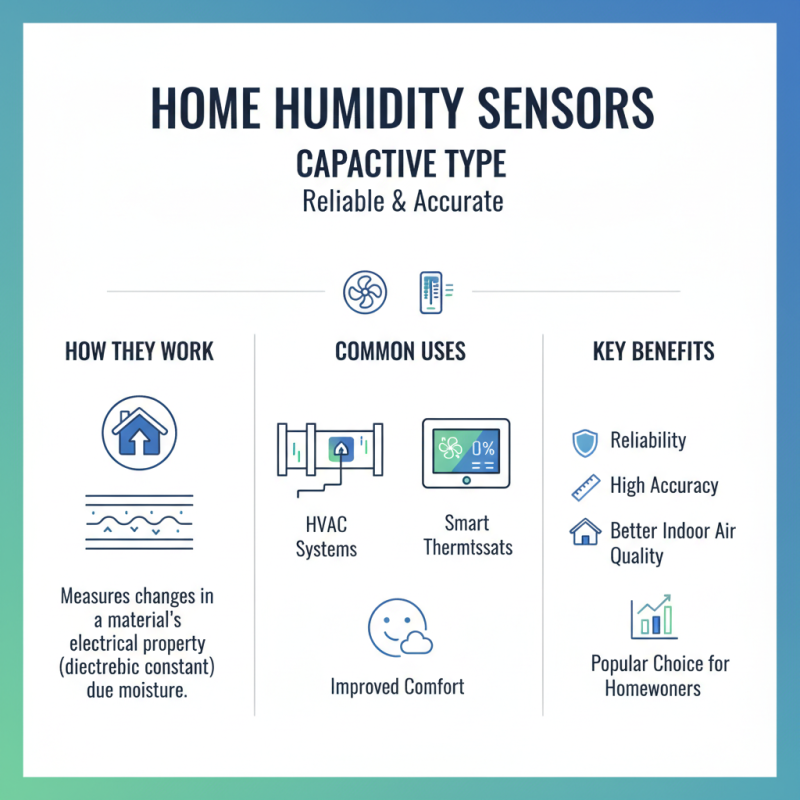
When considering humidity sensors for home use, it's essential to understand the different types available. Capacitive humidity sensors are popular due to their reliability. They work by measuring the dielectric constant of a material that changes with humidity levels. These sensors are often used in HVAC systems and can ensure comfortable indoor air quality. Their accuracy makes them a common choice for homeowners.
Resistive humidity sensors utilize conductive materials as their sensing element. They respond to changes in humidity by altering their resistance. These sensors are affordable and easy to integrate into various home systems. However, they may not offer the same precision as capacitive ones. Think about the specific needs of your environment when choosing between these types.
Another option is thermal conductivity humidity sensors. These devices measure heat transfer in humid air. They are suitable for specific applications, like greenhouses. Despite their effectiveness, they require more complex setups. Evaluating the benefits and drawbacks of each type is crucial for making an informed decision. Aiming for the perfect sensor isn't always realistic. Each type has its unique attributes that may suit different situations. Your choice should reflect your specific requirements and the environment's characteristics.
Key Features to Look for in a Home Humidity Sensor
When choosing a home humidity sensor, several key features stand out. The accuracy of the readings is crucial. A sensor that provides precise humidity levels can help you maintain a comfortable environment. Look for sensors that offer real-time data updates. This can help you respond quickly to changes in humidity.
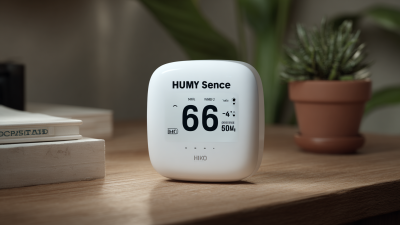
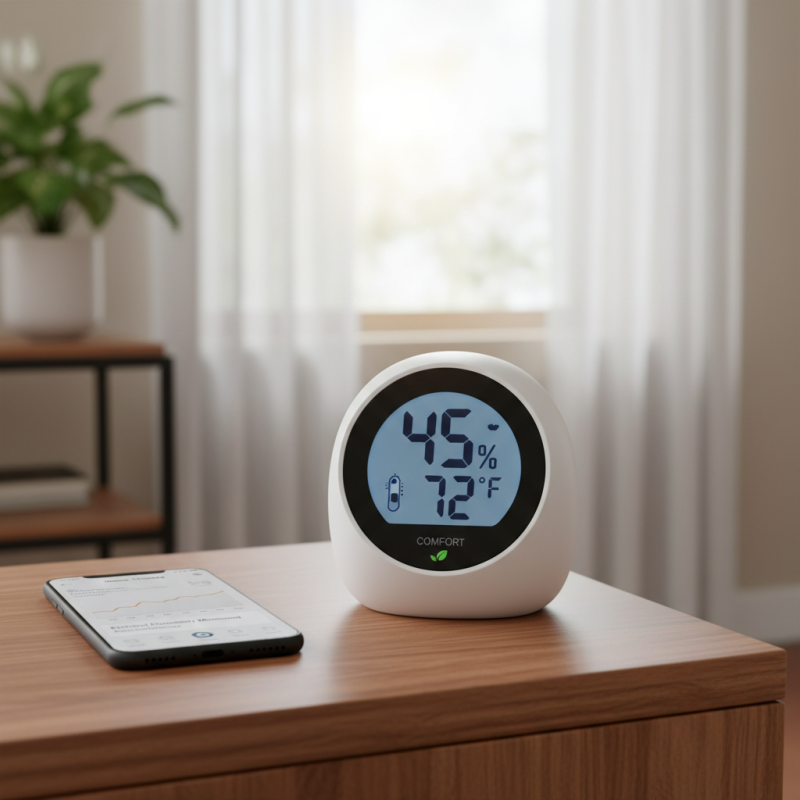
Another important aspect is connectivity. Some sensors connect to smart home systems. This allows for easy monitoring through your smartphone or tablet. A user-friendly interface enhances the experience. Simple controls and clear displays make it easier to understand readings. Having a visual representation of humidity levels can simplify adjustments.
Durability should also be considered. A well-built sensor can withstand various conditions in your home. Sensors designed for specific environments, like basements or attics, may perform better. Battery life should be long enough to avoid frequent replacements. Reflection on these factors may lead to better choices tailored to your needs. Remember, each space is different, and your choice should reflect that.
Benefits of Using Humidity Sensors in Your Home
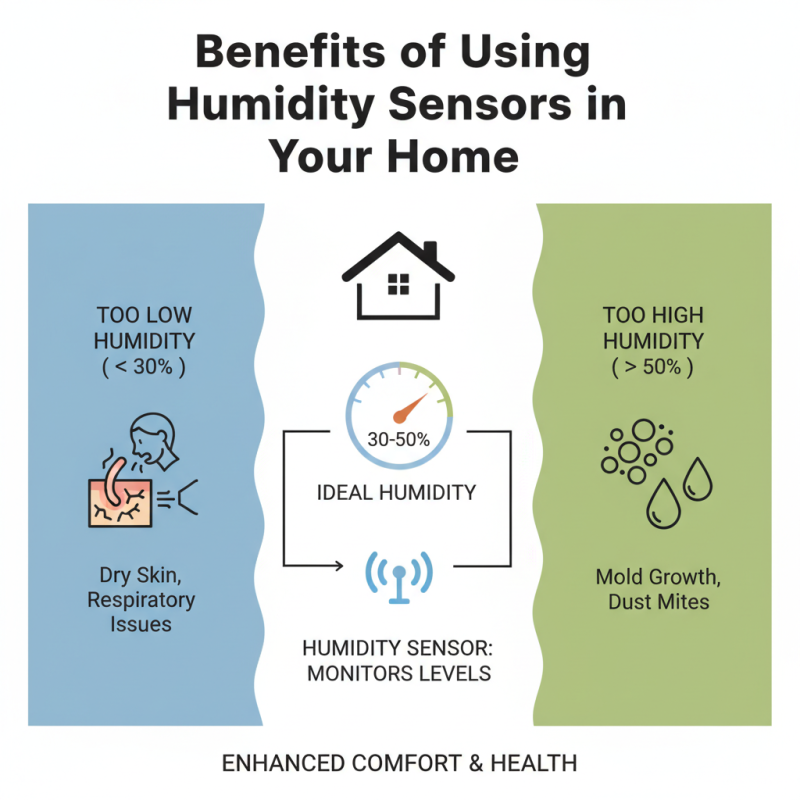
Maintaining optimal humidity levels in your home enhances comfort and health. Studies show that an indoor humidity level of 30% to 50% is ideal. When humidity is too low, it can lead to dry skin and respiratory issues. Conversely, excessive humidity fosters mold growth. A humidity sensor helps monitor these levels effectively.
Humidity sensors are valuable tools. They provide real-time data, allowing you to adjust indoor settings accordingly. For instance, when humidity exceeds 60%, mold can begin to thrive in just 24 to 48 hours. A report by the Environmental Protection Agency indicates that controlling indoor humidity can reduce allergy triggers. These sensors offer timely alerts, potentially saving you from costly repairs related to water damage.
Many homeowners overlook humidity control. Regular monitoring can lead to improved air quality. In fact, proper humidity reduces the likelihood of static electricity, which can damage electronic devices. Implementing a humidity sensor is a small step with significant benefits. Reliable data supports that empowered homeowners are more likely to create a healthier living environment.
How to Properly Install and Maintain Humidity Sensors
Installing a humidity sensor in your home requires careful consideration. Begin by choosing a central location, away from direct sunlight and drafts. This will provide an accurate reading. Often, kitchens and bathrooms are less ideal due to variable moisture levels. Mount the sensor at eye level for easy access and visibility.
Regular maintenance is crucial for optimal performance. Clean the sensor periodically to remove dust and debris. This helps ensure accurate readings. Check the sensor’s calibration every few months. If you notice fluctuations in humidity readings, recalibrate it according to the manufacturer's instructions. It's easy to overlook, but calibration can significantly impact the sensor’s reliability.
Humidity sensors also require power checks. Ensure that the battery, if applicable, is working well. Replace it regularly to avoid unexpected failures. Pay attention to signs of wear, such as inaccurate readings or failure to respond. Address these issues promptly. Reflect on your home's humidity levels and adjust your use of the sensor accordingly. The goal is to maintain a comfortable living environment.
Humidity Sensor Performance Comparison
Comparing Top-rated Humidity Sensors for Residential Use
When it comes to maintaining a comfortable home environment, humidity sensors play a crucial role. These devices measure indoor humidity levels and help prevent problems related to excess moisture, such as mold growth and allergies. Studies show that approximately 30% of homes experience humidity levels above 60%, a threshold that can lead to adverse health effects. Thus, choosing the right humidity sensor can significantly enhance air quality.
Several top-rated humidity sensors on the market offer unique features. The best ones typically provide real-time readings and alerts when humidity levels drop or rise beyond set limits. Some models include wireless connectivity, allowing homeowners to monitor conditions remotely via smartphones. Research from the Indoor Air Quality Association (IAQA) highlights that monitoring indoor humidity can reduce respiratory issues by 20% or more.
Moreover, it's important to consider accuracy and reliability in humidity sensors. Many sensors claim high precision, but only a few are independently tested to ensure their validity. It's essential to check reviews and certifications, as inaccurate readings can lead to complacency or panic in managing indoor air quality. Users should reevaluate their selection periodically to make sure their device stays up to date with technology advancements.
Best Humidity Sensor for Home Use and Its Benefits
| Sensor Type |
Measuring Range |
Accuracy |
Connectivity |
Price (USD) |
Special Features |
| Digital Humidity Sensor |
0% - 100% |
±2% |
Wi-Fi |
49.99 |
Mobile App Integration |
| Analog Humidity Sensor |
20% - 80% |
±5% |
None |
19.99 |
Easy Installation |
| Smart Humidity Monitor |
0% - 100% |
±3% |
Bluetooth |
89.99 |
Real-time Notifications |
| Wireless Humidity Sensor |
0% - 95% |
±4% |
Zigbee |
59.99 |
Battery Operated |

 Sensor
 Measuring Instruments
 Measurement Systems
 Architectural Physics Laboratory