Best Humidity Calibration Kit for Accurate Measurements?
In the world of precision measurements, a reliable Humidity Calibration Kit is crucial for various industries. According to a recent report by the National Institute of Standards and Technology (NIST), accurate humidity measurements are essential in food safety, pharmaceuticals, and HVAC systems. Dr. Sandra Mitchell, a leading expert in environmental measurements, emphasizes this need: "The accuracy of instruments depends heavily on proper calibration, especially in humidity-sensitive applications."
Selecting the best Humidity Calibration Kit is not always straightforward. Factors such as measurement range, temperature stability, and user-friendliness come into play. Many professionals overlook the calibration process, leading to questionable data. A well-calibrated instrument can significantly improve operational efficiency and product quality. The calibration kits on the market vary widely, and users must understand what to look for.
Investing in a top-quality Humidity Calibration Kit can pay off significantly. However, it's vital to continually assess the equipment used. Some kits may fall short in providing consistent results over time. In fields where humidity plays a key role, complacency can lead to costly errors. As with any instrument, regular evaluation is necessary to ensure sustainable accuracy.
Understanding Humidity Calibration: Importance and Applications
Humidity calibration is vital for various industries. Accurate humidity measurements can greatly affect product quality. From pharmaceuticals to food storage, precision matters. Wrong humidity levels lead to spoilage and health risks. Therefore, investing in an effective humidity calibration kit is essential.
For accurate calibration, regular checks are necessary. Use a reliable hygrometer to monitor humidity levels constantly. Tips for effective calibration include ensuring the environment is stable before testing. Avoid extreme temperatures and drafts; these can skew results. It’s also crucial to understand the calibration frequency based on your specific application needs.
Calibration procedures may vary. Some users might overlook documentation during calibration. This can lead to discrepancies later on. Understanding manufacturer guidelines is crucial. Emphasize on consistency and develop a routine for checking equipment. Inadequate calibration can result in significant operational issues, so pay attention to details.
Key Components of a Humidity Calibration Kit for Precision Measuring
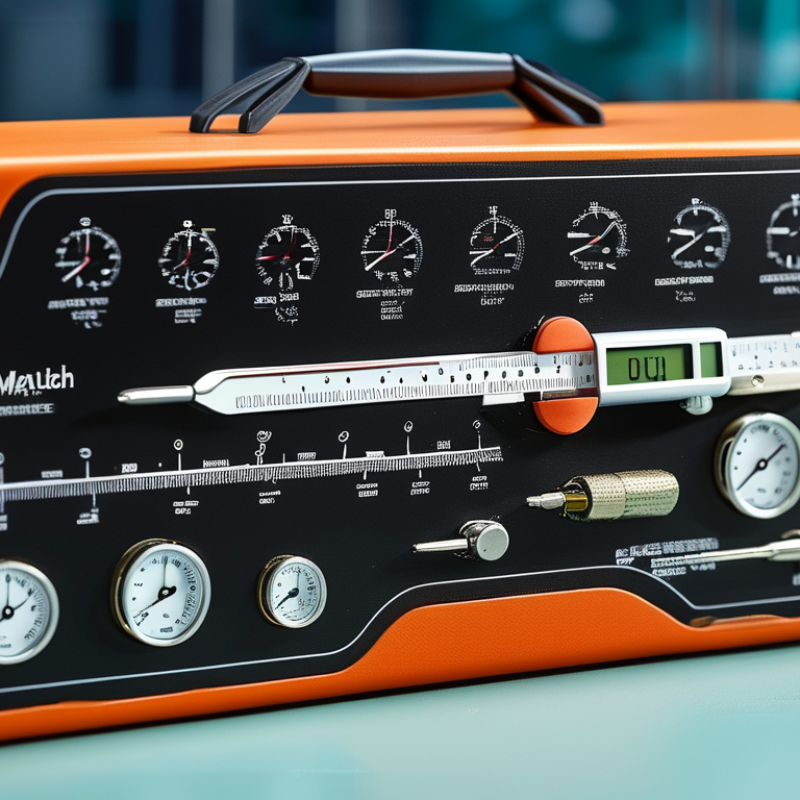
When selecting a humidity calibration kit, understanding its key components is crucial for accurate measurements. A reliable kit typically includes a high-precision hygrometer. This device measures moisture levels with an accuracy of ±1% RH. Calibration standards are another essential part. They should be traceable to recognized national or international standards like ISO 17025. This traceability enhances the credibility of your measurements.
Additionally, the inclusion of saturated salt solutions can help maintain specific humidity levels for calibration. Common salts like sodium chloride create stable environments at known humidity levels. Regular verification of the hygrometer against these standards is key to maintaining accuracy.
Tip: Periodically check your calibration equipment. This ensures consistency and reliability.
Moreover, it’s important to consider environmental factors. Temperature fluctuations can impact readings. Ideally, perform calibrations in a controlled environment.
Tip: Document every calibration step. This practice fosters accountability and ensures traceability.
Remember that no calibration kit is infallible. Regular maintenance and recalibration are necessary. Keeping a log can help identify trends and inconsistencies in measurements. Prioritizing precision will improve data quality and enhance your confidence in your results.
Industry Standards for Humidity Calibration: ISO and ASTM Guidelines
Humidity calibration is crucial for accurate measurements in various industries. The ISO and ASTM guidelines create a framework for ensuring consistency and reliability. According to ISO 17025, laboratories must demonstrate their capability to produce valid results. This standard emphasizes the need for calibrated instruments and regular checks.
ASTM E2877 outlines requirements for humidity calibration. It suggests using reference hygrometers with a documented traceability to national standards. This is essential to ensure accuracy is maintained. The guidelines recommend routine calibrations and periodic assessments. They also call for documenting all calibration procedures to maintain compliance.
Despite the clarity of these standards, challenges persist. Many facilities may overlook the importance of maintaining calibration over time. Regular checks are often neglected, leading to potential inaccuracies. It is critical to reflect on these practices and address any gaps. Adhering to established guidelines improves measurement reliability and enhances operational success.
Selecting the Right Humidity Sensors for Accurate Calibration Results
When calibrating humidity sensors, selecting the right devices is essential for obtaining accurate results. Research indicates that a significant portion of humidity measurement errors stems from the choice of sensors. For instance, a study conducted by the National Institute of Standards and Technology (NIST) identified that sensor variations can lead to discrepancies of up to 10%. This highlights the need for precise sensor selection.
Assess environmental conditions where sensors will be employed. High temperatures and varying pressure can affect performance. A sensor's accuracy can degrade if not designed for such conditions. Inadequately specified sensors may lead to unreliable data. Regular performance checks and adjustments should be made to ensure ongoing accuracy.
Calibration kits often come with various sensor options. Make informed choices based on specific applications. Some sensors excel in laboratory settings, while others perform better in field conditions. The flexibility of use is also crucial. Relying solely on one sensor type may introduce bias in measurements. Investigating reports from scientific journals can provide insights into sensor reliability, but real-world testing is equally important for validation.
Maintaining and Verifying Calibration Accuracy Over Time
Maintaining the accuracy of humidity measurements is crucial for various applications. Over time, calibration of hygrometers can drift due to environmental factors or sensor degradation. Regular checks can help identify discrepancies and ensure reliable readings.
Using a high-quality calibration kit is essential. This kit should include reference hygrometers and calibration standards that are traceable to national standards. It’s important to conduct these verifications at regular intervals. Many professionals recommend monthly checks, but depend on specific use cases.
User experience plays a vital role in calibration accuracy. Learning how to properly use and interpret calibration tools can be challenging. Mistakes can occur, like misreading measurements. Over time, users must reflect on their methods, seeking improvements. Calibration is not just a one-time task; it requires ongoing attention to detail and diligence.
Humidity Calibration Kit Performance Over Time

 Sensor
 Measuring Instruments
 Measurement Systems
 Architectural Physics Laboratory