2026 Top Thermal Comfort Microclimate Measurement Trends?
In recent years, the field of Thermal Comfort & Microclimate Measurement has gained significant attention. Experts are now focusing on innovative methods to assess environmental conditions accurately. Dr. Alison Carter, a leading authority in this field, emphasizes, “Understanding microclimates is crucial for improving thermal comfort in urban settings.”
As climate variability intensifies, the need for precise thermal comfort metrics becomes more vital. Current trends indicate a shift towards integrating technology with traditional measurement techniques. New tools provide better insights into thermal dynamics, allowing for tailored solutions in diverse environments. However, there are challenges in standardizing these approaches.
The future of Thermal Comfort & Microclimate Measurement lies in collaboration across disciplines. Engineers, urban planners, and climate scientists must work together. They should address the complexities of varying human experiences in diverse microclimates. This is more than an academic pursuit; it's about enhancing the daily experiences of people in our cities. Balancing comfort with sustainability continues to be a nuanced challenge.
Future Innovations in Microclimate Measurement Technology for Thermal Comfort
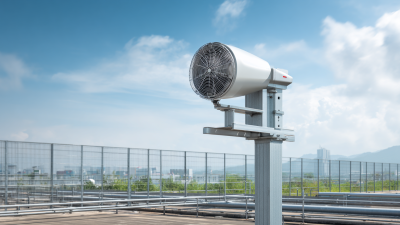
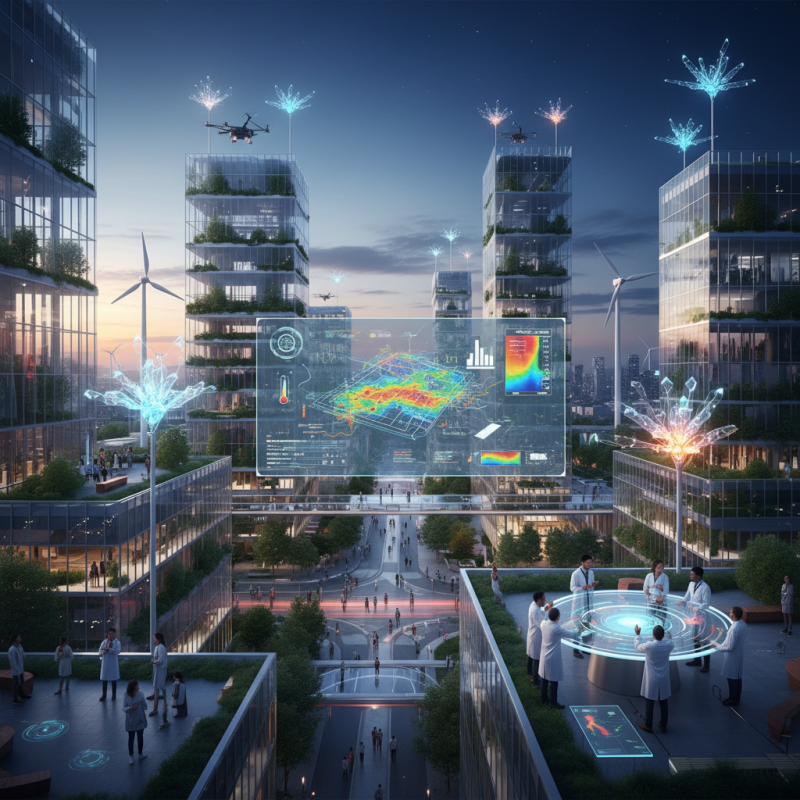
As we look toward 2026, innovations in microclimate measurement technology for thermal comfort are on the horizon. Advances in sensor technology will lead to smaller, more efficient devices capable of real-time data analysis. These sensors will not only measure temperature but also humidity, air quality, and even wind patterns. This comprehensive data will provide a clearer picture of thermal comfort in various environments.
Integration of artificial intelligence is another exciting trend. AI algorithms can analyze collected data, offering predictive analytics for microclimate adjustments. Such technology may improve indoor conditions in homes, workplaces, and public spaces. However, the reliability of AI models often hinges on the quality of input data. Without careful calibration, results can be misleading, leading to potential discomfort.
Collaboration across disciplines will also enhance the development of microclimate metrics. Experts from meteorology, architecture, and data science will work together to refine measurement techniques. Still, there is a risk that overly complex systems may deter practical application. Practitioners must balance technological innovation with user-friendliness to ensure widespread adoption. It’s essential to reflect on how these advancements can remain accessible and effective for everyone.
2026 Top Thermal Comfort Microclimate Measurement Trends
| Measurement Technology |
Accuracy (%) |
Response Time (seconds) |
Data Transmission Method |
User-Friendly Interface |
| Infrared Thermography |
95 |
0.5 |
Wireless |
Yes |
| Portable Climate Sensors |
90 |
2 |
Bluetooth |
Yes |
| Wearable Eco-Trackers |
92 |
1 |
Wi-Fi |
Yes |
| Smart Building Sensors |
93 |
3 |
Zigbee |
Yes |
| Advanced Climate Models |
97 |
4 |
Internet |
Yes |
Emerging Sensors and Devices: Revolutionizing Thermal Comfort Monitoring
The landscape of thermal comfort monitoring is evolving rapidly. Emerging sensors and devices are leading this revolution. These innovative tools provide real-time data on microclimate conditions. They measure variables like temperature, humidity, and air movement. This precise information helps in enhancing comfort levels in various environments.
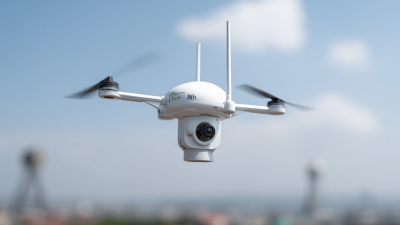
With advancements in technology, many new sensors are now more miniature and efficient. They can easily integrate into existing infrastructures. Wearable devices are gaining popularity among users. They allow individuals to monitor their own comfort levels, offering personalized insights. This shift opens numerous possibilities for buildings and public spaces to adapt to specific conditions.
Despite these exciting developments, challenges remain. The accuracy of some sensors can be inconsistent. Environmental factors may disrupt readings, leading to misunderstandings. Users must critically assess the data they receive. The trust in these devices will grow only with continuous improvements and verification of their reliability. As we move toward 2026, addressing these concerns will be essential for widespread adoption.
2026 Top Thermal Comfort Microclimate Measurement Trends
Comparative Analysis of Thermal Comfort Standards Across Different Climate Zones
Thermal comfort is a significant factor influencing outdoor and indoor environments. Understanding how different climate zones affect thermal comfort standards can help enhance building design and improve wellbeing. Research shows that thermal comfort varies widely across regions. For instance, humid subtropical areas require different standards compared to dry, arid climates.
Temperature, humidity, and wind speed play crucial roles in defining comfort levels. In some areas, higher humidity can lead to discomfort even at lower temperatures. Conversely, dry climates may allow for higher temperatures without causing discomfort. A one-size-fits-all approach is ineffective; local climate conditions must dictate standards. Architects and planners face challenges in creating adaptable designs that cater to diverse environmental conditions.
Prescriptive standards exist, yet many overlook real-world scenarios. Analyzing feedback from residents can highlight gaps in comfort levels. Adjustable systems that respond to local microclimates might hold the key to better thermal comfort. However, this approach requires ongoing research and a willingness to reassess established norms. Each climate zone has unique needs, which means standards must evolve continuously.
Impact of Microclimate on Urban Planning and Architectural Design Trends
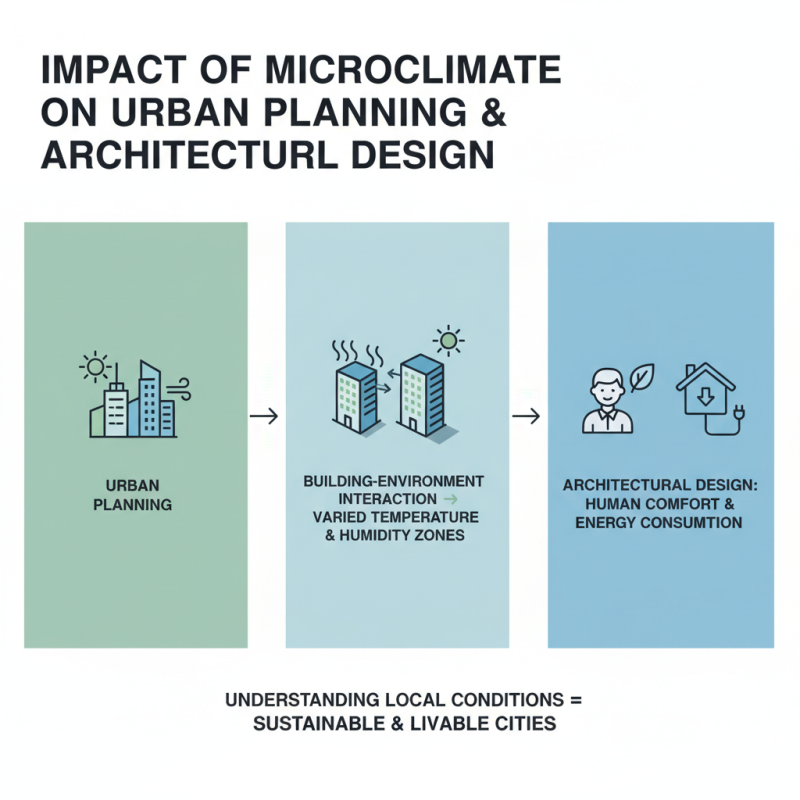
Microclimates play a significant role in urban planning and architectural design. The interaction between buildings and their surroundings creates varied temperature and humidity zones. Designers now focus on how these microclimates affect human comfort and energy consumption. Understanding local conditions leads to more sustainable and livable urban environments.
Incorporating elements like greenery or water features can enhance microclimatic conditions. These features cool air and improve air quality. However, implementing them requires careful consideration. Sometimes, planners ignore the long-term maintenance and ecological impact of these designs. They must evaluate the balance between aesthetics and environmental responsibility.
As we look towards 2026, the challenge remains. Will the strategies we employ continue to prioritize resident comfort and sustainability? The answer lies in the ongoing collaboration between architects, urban planners, and environmental scientists. Each group brings expertise, shaping cities that adapt to climate challenges while fostering community well-being.
Data-Driven Approaches for Enhancing Thermal Comfort in Workspaces
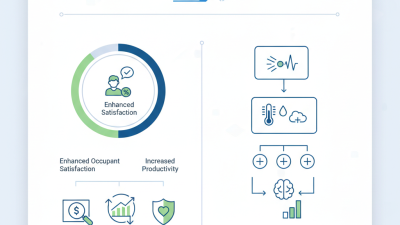
Creating a comfortable thermal environment in workspaces is vital. Recent data indicates that 88% of employees report lower productivity in uncomfortable temperatures. Digital tools now leverage real-time data to enhance thermal comfort, keeping workplaces efficient.
By integrating sensors and artificial intelligence, companies can accurately monitor temperatures and humidity levels. A 2022 report from the International Energy Agency highlighted that optimized environments can reduce energy consumption by 30%. Yet, many organizations still rely on outdated methodologies, failing to analyze the true microclimate of their spaces.
Individual preferences vary widely. A study showed that 70% of workers prefer cooler conditions during the summer months. Despite this, many offices maintain uniform temperature settings, disregarding employee comfort. A shift to data-driven approaches may help address these disparities, though it also raises questions about privacy and data security. Balancing comfort with technology remains a challenge.

 Sensor
 Measuring Instruments
 Measurement Systems
 Architectural Physics Laboratory