Top 10 Benefits of Using a Thermal Comfort Meter for Buyers?
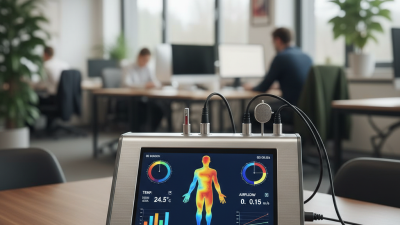
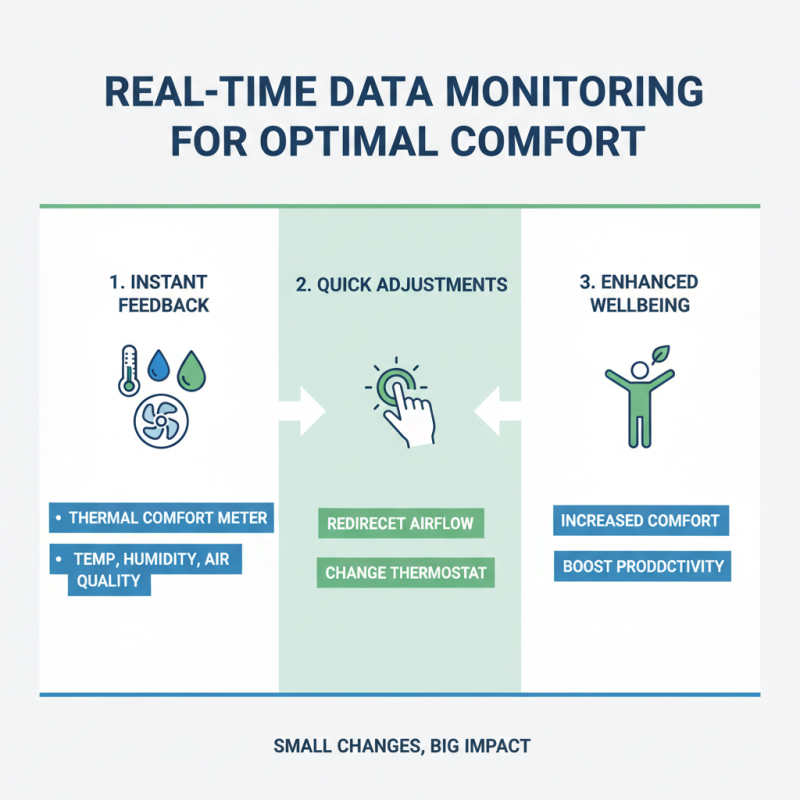
In today's fast-paced world, ensuring thermal comfort is crucial for both residential and commercial spaces. According to a report by the International Energy Agency, effective thermal comfort management can improve productivity by up to 20% in workplace environments. A Thermal Comfort Meter plays a pivotal role in this process. It allows users to measure temperature, humidity, and air quality accurately, promoting a healthier environment.
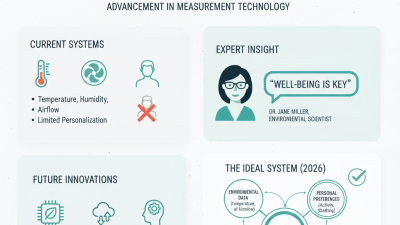
Expert Dr. Emily Carter emphasizes, “Understanding thermal comfort is key to enhancing occupant satisfaction.” This tool provides insight into how slight adjustments can dramatically impact comfort levels. For example, studies show that a one-degree change in room temperature can influence energy consumption by 5%. Thus, investing in a Thermal Comfort Meter is not merely a choice; it’s a strategic decision for buyers looking to optimize their spaces.
Investing in such a tool reveals potential shortcomings in existing systems. Many places struggle with consistent climate control. A Thermal Comfort Meter exposes these flaws, prompting necessary adjustments. Buyers reap significant benefits, enhancing quality of life and operational efficiency. However, merely owning the device is not enough; understanding its readings is equally vital. This complexity encourages reflection on current practices and drives improvements in comfort delivery.
Benefits of Enhanced Indoor Air Quality Measurement with Thermal Meters
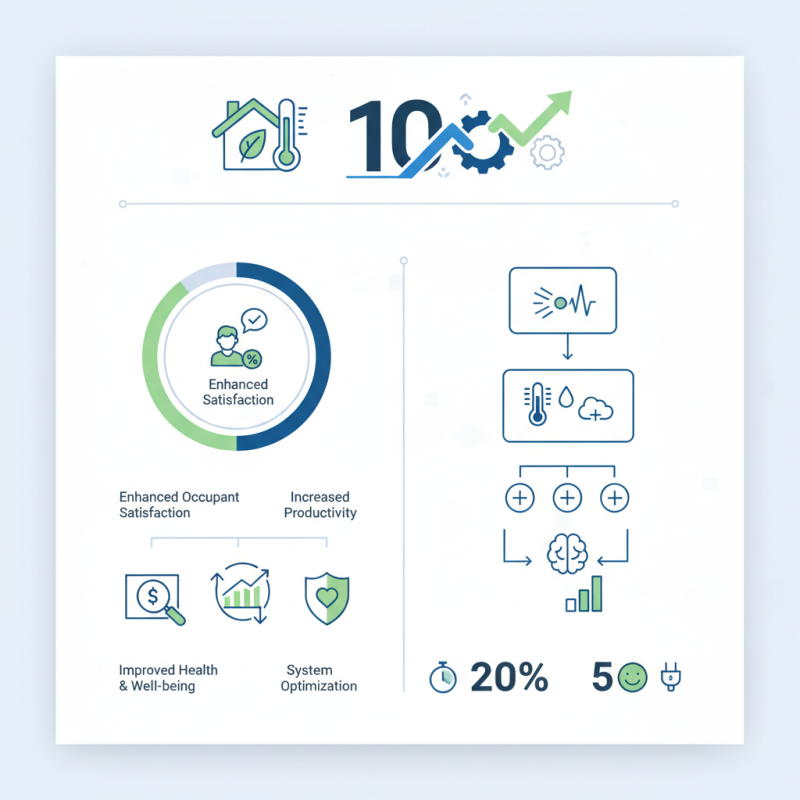
Enhanced indoor air quality is crucial for health and productivity. Thermal comfort meters measure parameters like temperature and humidity. Accurate measurements can lead to better decision-making for optimizing indoor environments. A report from the American Society of Heating, Refrigerating and Air-Conditioning Engineers (ASHRAE) indicates that poor indoor air quality can decrease productivity by up to 40%. This figure underscores the need for precise monitoring.
These meters also help identify potential issues early. For example, a rise in humidity might indicate mold growth risk. Research from the World Health Organization suggests that 30% of new or remodeled buildings have occupant complaints related to poor air quality. Regular use of thermal comfort meters can mitigate these problems, creating a healthier environment.
Ignoring air quality can lead to severe consequences. Symptoms of poor air quality often include headaches and fatigue. According to a study by the Environmental Protection Agency, indoor air pollution levels can be 2-5 times higher than outdoor levels. Using thermal meters consistently can provide ongoing data, allowing for timely interventions, ensuring everyone feels comfortable and focused indoors.
Improved Energy Efficiency Insights for Sustainable Building Management
Understanding thermal comfort helps in managing energy efficiency in buildings. A thermal comfort meter offers real-time insights on temperature, humidity, and airflow. These measurements enable precise adjustments to HVAC systems. This leads to energy savings and a reduced carbon footprint.
When using a thermal comfort meter, consider your building's unique characteristics. Take multiple readings throughout the day to capture variations. Sometimes, common areas feel different from private spaces. Make adjustments based on these readings, but be attentive to how occupants react. After all, comfort is subjective.
Another tip is to integrate data from the thermal comfort meter with existing energy management systems. This practice can uncover patterns and highlight areas for improvement. Some discomfort may stem from poor insulation or drafts. Addressing these can enhance overall energy efficiency and occupant satisfaction. Regularly reviewing this data can foster a proactive approach to building management, ensuring sustainability efforts are effective.
Top 10 Benefits of Using a Thermal Comfort Meter for Buyers
User-Friendly Interface and Accessibility for Non-Technical Buyers
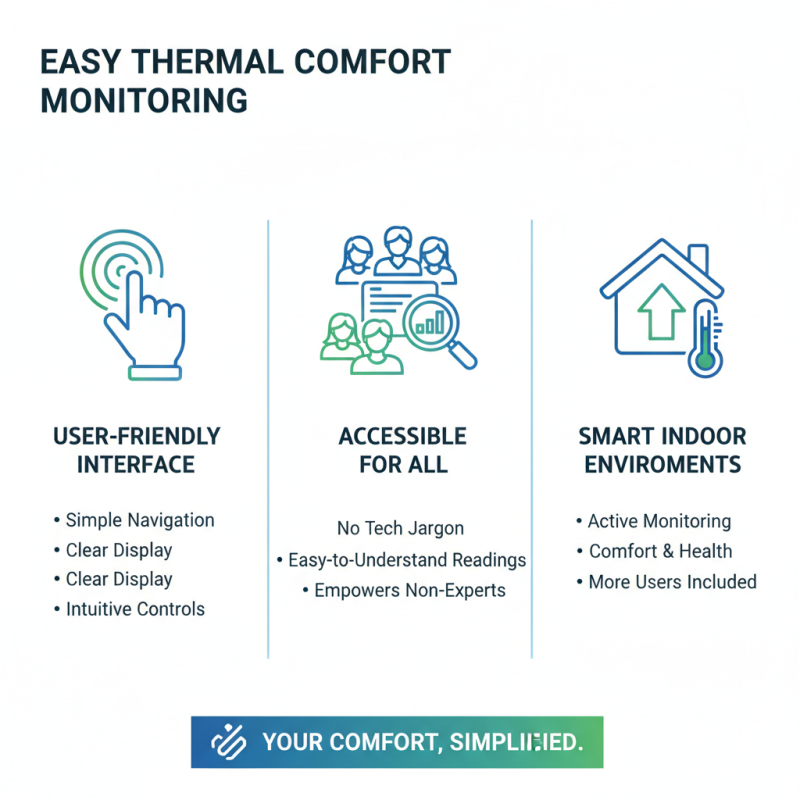
A thermal comfort meter has become essential for many buyers. Its user-friendly interface makes it accessible to everyone. Non-technical buyers can easily navigate its features and understand readings without complicated jargon. This simplicity encourages more people to monitor their indoor environments actively.
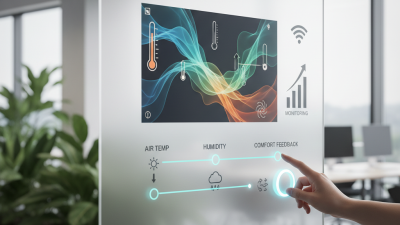
Visual graphs and clear indicators help users understand temperature and humidity levels at a glance. Those issues are often overlooked, yet they impact comfort greatly. A non-expert can quickly identify when adjustments are needed, without the help of a professional. Sometimes, users may rely too heavily on technology, forgetting to test settings manually. Balancing these aspects is crucial for effective climate control.
Affordable thermal comfort meters also cater to budget-conscious individuals. They deliver valuable data for home or office without requiring significant investment. However, results can vary based on the device's calibration. Users must remain aware of potential limitations. A bit of knowledge about these tools can enhance their effectiveness, ensuring a comfortable atmosphere for all.
Compliance with Industry Standards and Regulations in Environmental Control
In industries where environmental control is critical, compliance with regulations is essential. A thermal comfort meter provides accurate data, ensuring that conditions meet industry standards. According to a report by the American Society of Heating, Refrigerating and Air-Conditioning Engineers (ASHRAE), maintaining thermal comfort in workplaces can significantly improve employee productivity by up to 15%.
These meters help businesses monitor temperature, humidity, and airflow efficiently. Accurate measurements allow for adjustments that keep environments compliant with local regulations. The Occupational Safety and Health Administration (OSHA) emphasizes the importance of maintaining suitable indoor air quality. Failure to meet these standards can lead to health risks and potential legal issues.
However, reliance solely on automated tools has pitfalls. Regular calibration is necessary to ensure accuracy. Meters can malfunction or become outdated, presenting challenges for compliance. Businesses must actively engage in data analysis, understanding how to interpret results effectively. This proactive approach not only ensures compliance but also creates a healthier work environment.

 Sensor
 Measuring Instruments
 Measurement Systems
 Architectural Physics Laboratory