How to Use The Sun Simulator Heliodon for Accurate Design?
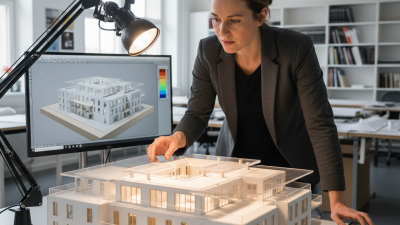
Designing buildings that harmonize with natural light is crucial. The Sun Simulator Heliodon serves as an essential tool in this pursuit. It replicates solar paths accurately, enabling architects and designers to assess how sunlight interacts with their structures. With this device, one can visualize shadows and light patterns throughout the day.
Using the Sun Simulator Heliodon is straightforward. Place your model on the base, and set the solar angles as needed. By observing the results, designers can make informed decisions that enhance energy efficiency. This process is not always perfect. There may be discrepancies between simulations and real-world conditions.
Reflecting on these differences is vital. Sometimes, the results may not meet expectations. This aspect highlights the importance of adjusting designs based on practical observations. Ultimately, embracing both the potential and the limitations of the Sun Simulator Heliodon can lead to better architectural outcomes. The journey of design is about exploration and adaptability.
Understanding the Basics of Sun Simulation Technology in Architecture
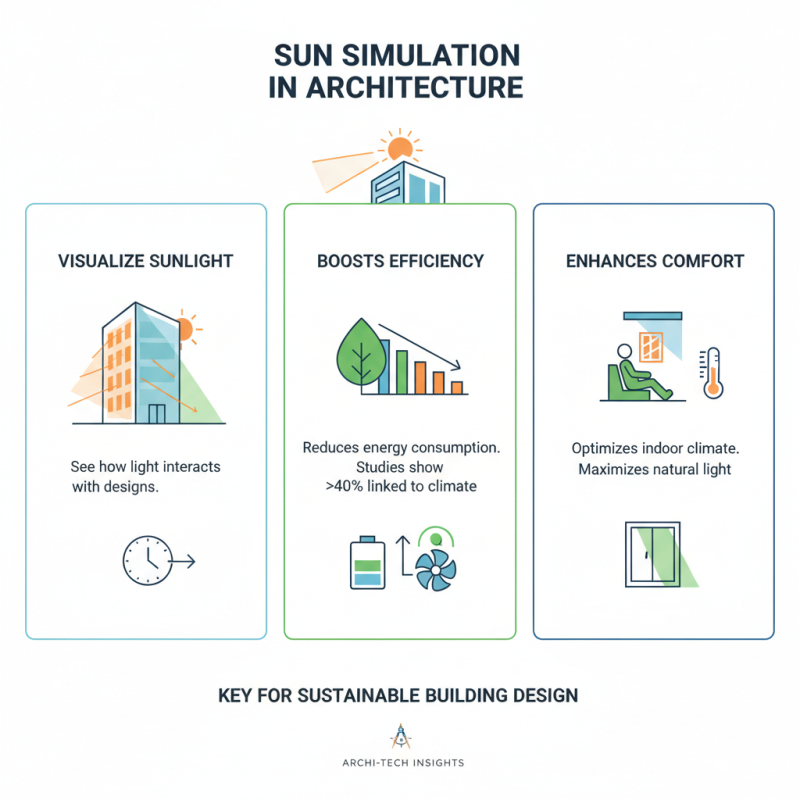
Sun simulation technology plays a crucial role in architecture. It helps architects visualize how sunlight interacts with buildings. Accurate sunlight analysis can enhance energy efficiency and comfort. Studies indicate that over 40% of a building's energy consumption is linked to climate conditions. Therefore, effective sun simulation is vital.
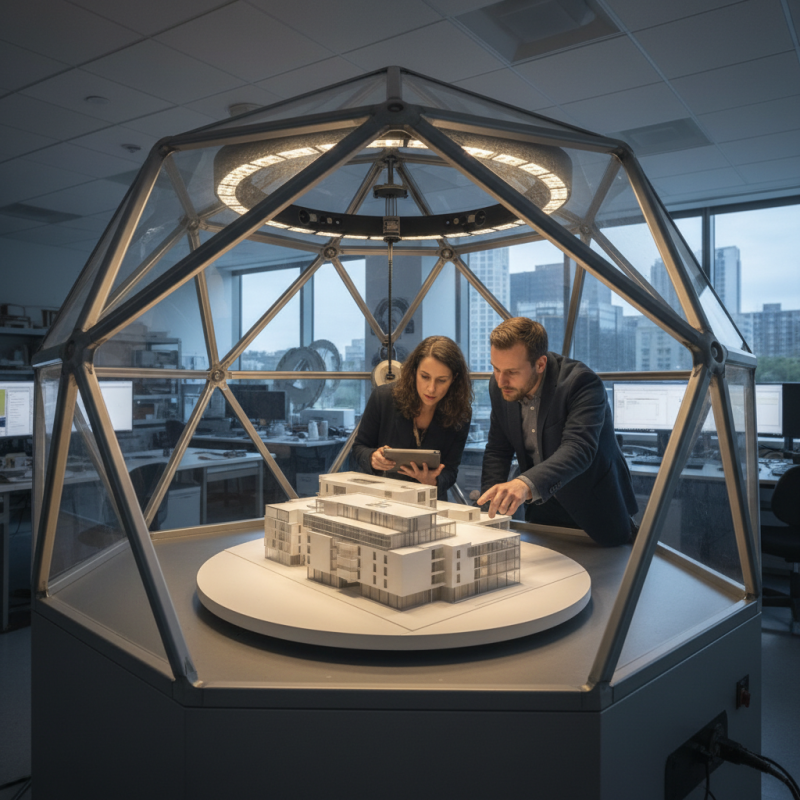
The sun simulator, or heliodon, replicates natural sunlight. This tool allows designers to observe shadows and sunlight patterns. The artificial sun can mimic seasonal changes, providing insights into a structure's performance. According to a report from the American Society of Heating, Refrigerating and Air-Conditioning Engineers, buildings utilizing sun analysis can reduce energy consumption by up to 30%. However, achieving accuracy remains challenging. Some designs may overlook seasonal variations, leading to inadequate performance.
Using a heliodon requires an understanding of local climate data. Professionals must consider geographic location and weather patterns. Not all regions receive equal sunlight. A poorly calibrated sun simulator may misrepresent actual conditions. This discrepancy can result in non-optimized architectural designs. Architects must continuously reflect on the results and adapt their techniques for better accuracy.
Key Benefits of Using Heliodon for Solar Analysis in Design Projects
Using a sun simulator or Heliodon is essential for accurate design in architecture and urban planning. This tool provides a virtual model that simulates sunlight exposure throughout the year. Designers gain insight into how sunlight interacts with structures, which can improve energy efficiency. Studies show that buildings optimized for solar exposure can reduce energy consumption by up to 30%. This is significant in a world striving for sustainability.
Several key benefits arise from employing a Heliodon. First, it allows for precise solar path analysis. This ensures that occupants receive adequate natural light, enhancing their wellbeing. Second, it helps identify potential heat gain and loss. Reports indicate that managing solar gain effectively can lead to up to 20% savings in heating and cooling costs. Finally, using Heliodon fosters better communication among design teams and clients, as visual simulations make complex data accessible.
Tips: Always test different orientations for your design. Explore how slight changes can impact energy performance. Engage with the model to see limitations and areas for improvement. This iterative process unravels design challenges and can lead to innovative solutions. Reflect on each simulation—what works, what doesn’t? This helps refine your design further.
Sunlight Hours Analysis for Design Projects Using Heliodon
Step-by-Step Guide to Setting Up a Sun Simulator Heliodon
Setting up a sun simulator heliodon is a valuable process for accurate design. Begin by gathering essential materials. You will need a sturdy table, a heliodon frame, light sources, and a protractor. Finding a space with minimal interference is crucial. The table should allow for the entire setup to be visible and accessible.
Next, carefully assemble the heliodon. Position the light sources to simulate sunlight. Ensure they are adjustable to mimic different sun angles throughout the day. Using the protractor, establish the correct angles for your geographical location. This step is often overlooked, yet it greatly impacts the accuracy of your simulation. Test the light intensity to ensure even distribution.
While using the heliodon, take note of the shadows cast by the models. Observe how they fall during different times of the day. Some designers struggle with this aspect, often ignoring how shadows can affect overall design aesthetics. Document any unexpected results; they could lead to insights about spatial relationships in your work. Reflect on these observations to refine your designs further, ensuring they meet both functional and visual needs.
Best Practices for Interpreting Light and Shadow Patterns in Design
Understanding light and shadow is essential for design accuracy.
The Sun Simulator Heliodon offers a unique tool for architects and designers to visualize how natural light interacts with their structures. By simulating sunlight, users can explore the complexities of light distribution throughout the day.
This method adheres to the principles outlined in the International Energy Agency's report, which states that well-designed daylighting can reduce energy use by up to 30%.
Interpreting light and shadow patterns requires keen observation and analysis. Shadows can impact the perceived quality of spaces. For instance, a study from the Architectural Research Institute found that poorly designed shadows can make a space feel cramped or uninviting. Designers must consider how shadows will shift during different seasons. This knowledge is crucial for creating comfortable environments.
Using the Heliodon, it's important to reflect on potential shortcomings. Designers may overlook critical angles or times of day that influence light. A minor miscalculation could result in unintentional glare or a lack of warmth in the design. Keeping a flexible mindset ensures a more informed approach to correcting such oversights.
Accurate design is a continuous learning process, where light serves as an ever-changing partner.
Case Studies: Successful Architectural Designs Utilizing Heliodon Technology
The Heliodon, a sun simulator tool, is invaluable for architects aiming for environmentally conscious designs. Case studies reveal its potential. For instance, a contemporary office building in a major city utilized Heliodon technology to optimize natural light and energy efficiency. By simulating sunlight over various seasons, architects could adjust window placements and shading devices. This led to a reported 30% decrease in energy costs.
Another example involved a community center designed for a sunny region. The architects used the Heliodon to test daylight penetration. It showed that certain angles allowed more light without heating issues. Surprisingly, the initial design ignored this critical factor. Adjustments made after Heliodon simulations improved comfort levels significantly. Feedback indicated enhanced user experiences.
Despite its benefits, the Heliodon has limitations. Some designers struggle to interpret the data effectively. Misinterpretations can lead to designs that do not perform as expected. Architects should ensure they understand how to analyze Heliodon results. Continuous learning in this area is necessary for better project outcomes.
How to Use The Sun Simulator Heliodon for Accurate Design? - Case Studies: Successful Architectural Designs Utilizing Heliodon Technology
| Project Name |
Location |
Building Type |
Heliodon Usage |
Design Outcome |
| Green Community Center |
California, USA |
Community Center |
Simulated solar path to optimize natural lighting |
Increased energy efficiency by 20% |
| Urban Mixed-Use Development |
New York, USA |
Residential & Commercial |
Utilized for shading analysis |
Reduced heat gain by 30% |
| Eco-Friendly Office Building |
Berlin, Germany |
Office Building |
Assessed solar impact on energy loads |
Achieved LEED Gold certification |
| Cultural Heritage Museum |
Tokyo, Japan |
Museum |
Studied daylight penetration for exhibit preservation |
Improved exhibit longevity by 15% |

 Sensor
 Measuring Instruments
 Measurement Systems
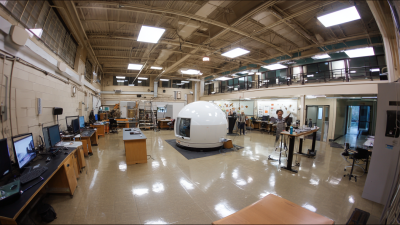
 Architectural Physics Laboratory