Top 10 Thermal Environment Solutions for Global Buyers?
In today's rapidly changing climate, the importance of a conducive Thermal Environment cannot be overstated. Experts like Dr. Alan Roth, a recognized authority in environmental engineering, emphasize that “a well-designed thermal environment enhances both comfort and productivity.” Global buyers are increasingly aware of the necessity to invest in solutions that ensure optimal thermal conditions.
As industry demands evolve, the quest for effective thermal management solutions intensifies. Buyers often face challenges in selecting the right technologies to improve thermal comfort. With numerous options available, it can be daunting to navigate this landscape. Each solution must be scrutinized for its efficiency and sustainability.
Reflection is vital in this process. Are the chosen solutions adaptable to future climate shifts? Evaluating this aspect is crucial. In the complex field of Thermal Environment, understanding innovations and their implications can lead to significant advancements. Prioritizing both immediate and long-term benefits creates a solid foundation for global buyers to thrive.

Overview of Thermal Environment Solutions for Global Buyers
The thermal environment is crucial for various industries. Global buyers seek effective solutions to enhance efficiency while reducing costs. According to the International Energy Agency, buildings account for about 40% of global energy use. Hence, optimizing thermal environments is a priority.
Advanced insulation materials play a significant role. They reduce heat loss and can save up to 30% on heating bills. However, not all materials are equally effective. Some may deteriorate over time, requiring replacements. This raises questions about sustainability and long-term cost-effectiveness.
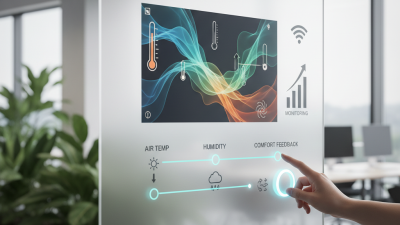
Innovative technologies are emerging, including smart sensors. These devices monitor temperature changes and optimize heating and cooling systems. However, they can be expensive to install. Buyers must weigh upfront costs against long-term savings. Additionally, data security has become a concern, as more devices connect to the internet. Balancing technology access and data safety is essential for informed decision-making.
Key Technologies Driving Thermal Environment Innovations
In the realm of thermal environment solutions, several key technologies are pushing the boundaries of innovation. For instance, advanced insulation materials are revolutionizing energy efficiency. These materials minimize heat transfer, reducing energy costs in homes and businesses. Moreover, the integration of smart sensors allows for real-time monitoring of temperature fluctuations. This data enables users to make informed adjustments, ensuring optimal comfort and energy use.
Another significant advancement lies in phase change materials (PCMs). These substances absorb and release heat as they change states, stabilizing indoor climates. PCMs can be embedded in building materials or used in HVAC systems, providing sustainable solutions for climate control. However, not all implementations yield positive results. Some installations struggle with efficiency, requiring ongoing assessment and adjustment.
Emerging technologies such as geothermal systems also play a role. They harness the earth's natural heat, which presents a low-impact heating and cooling option. Yet, the upfront costs can deter widespread adoption. Continuous research and trials are necessary to perfect these methods and increase their accessibility. Each technology presents unique challenges, underlining the importance of iterative improvement in the thermal environment sector.
Comparative Analysis of Leading Thermal Solutions Providers
When analyzing the top thermal environment solutions, it is vital to consider the key players transforming the market. Recent studies show that greenhouse gas emissions from buildings contribute significantly to global warming. In fact, they represent around 39% of total energy-related CO2 emissions. Thus, selecting effective thermal solutions is crucial for sustainability.
Leading providers in this space focus on innovative technologies. For instance, modern insulation materials and energy-efficient heating systems play a pivotal role. These solutions can reduce energy consumption by up to 30%, according to the International Energy Agency. However, many providers still struggle with the integration of smart technologies. The lack of standardized protocols often leads to inefficiencies, creating challenges for both consumers and manufacturers.
Moreover, user feedback highlights gaps in service and support. Some thermal solutions require extensive user education, which can be a barrier. A significant number of users reported dissatisfaction with the installation processes and maintenance services. This feedback emphasizes the necessity for providers to enhance their customer engagement strategies. Improving user experience can significantly impact market growth and user satisfaction.
Market Trends and Consumer Preferences in Thermal Environment Solutions
The thermal environment solutions market shows dynamic shifts driven by consumer preferences. According to a report from the International Energy Agency, energy-efficient heating and cooling technologies are gaining traction. This trend aligns with growing consumer demand for sustainability. In fact, 65% of global buyers express a preference for eco-friendly options, believing they contribute to a healthier planet.
Data indicates that smart climate control systems are highly sought after. They provide enhanced comfort while reducing energy consumption. Research by the Environmental Protection Agency highlights that such systems can save consumers up to 30% on energy bills. However, integrating these technologies poses challenges. Many consumers are hesitant due to the complexity of installation and maintenance.
Innovations continue to shape market offerings. For instance, the use of AI in thermal management systems is becoming more prevalent. This technology optimizes energy use, responding to real-time data. Yet, not all consumers are aware of these advancements. There is a need for better education on their benefits and usability. Balancing technology with user-friendly interfaces remains a crucial consideration for manufacturers.
Top 10 Thermal Environment Solutions for Global Buyers
| Solution Name |
Application |
Market Demand (2023) |
Consumer Preference (%) |
Sustainability Rating |
| Thermal Insulation Panels |
Residential & Commercial Buildings |
High |
85% |
A+ |
| Heat Pumps |
Home Heating & Cooling |
Medium |
78% |
A |
| Smart Thermostats |
Energy Management |
High |
90% |
A++ |
| Radiant Floor Heating |
Indoor Heating |
Medium |
75% |
B+ |
| Reflective Roof Coatings |
Roofing |
Low |
68% |
B |
| Eco-Friendly Insulation |
Building Insulation |
High |
88% |
A++ |
| Advanced Window Films |
Window Treatment |
Medium |
80% |
A+ |
| Energy-Efficient Appliances |
Home Appliances |
High |
92% |
A+++ |
| Green Roof Systems |
Urban Development |
Medium |
77% |
A+ |
| Biomass Heating Systems |
Heating Systems |
Medium |
82% |
B+ |
Future Directions: Sustainable Practices in Thermal Environment Management
Managing the thermal environment is crucial for sustainable development. Climate change has prompted a shift toward greener practices. Embracing renewable energy sources is a key step. Solar panels and wind energy reduce reliance on fossil fuels. However, not all regions can access these resources easily. Local climates and infrastructure play significant roles in adoption.
Energy efficiency stands out as another focal point. Implementing smart technologies can optimize heating and cooling systems. This keeps energy consumption in check while maintaining comfort. Yet, businesses often face challenges when investing in new technologies. Budget constraints and workforce training can hinder progress. Collaborative efforts among industries can bridge these gaps.
Waste heat recovery presents an often-overlooked opportunity. Many processes generate excess heat that goes unused. Capturing and repurposing this energy can drive sustainability. Nonetheless, the initial setup can be complex and costly. Companies must weigh long-term benefits against upfront investments. Engaging stakeholders in the planning phase can lead to better solutions.

 Sensor
 Measuring Instruments
 Measurement Systems
 Architectural Physics Laboratory