Top Temperature And Humidity Calibration Equipment for Accurate Measurements?
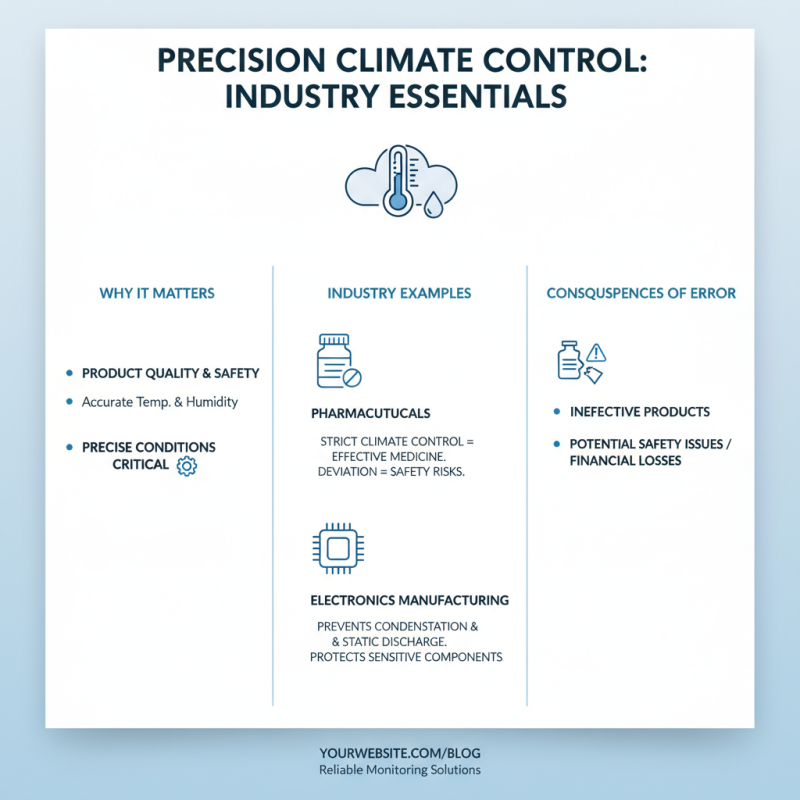
Ensuring accurate measurements of temperature and humidity is crucial across various industries. Experts argue that precise conditions can significantly affect product quality and operational efficiency. Dr. Jane Smith, a renowned specialist in Temperature And Humidity Calibration Equipment, states, "Accuracy in calibration equipment is not just important; it's essential for success."
Calibration equipment must be reliable. Various challenges exist, such as fluctuating environmental conditions that can affect the readings. Industries often overlook the importance of regular calibration. This oversight can lead to costly mistakes, impacting both safety and performance. Investing in quality Temperature And Humidity Calibration Equipment is not merely an option, but a necessity.
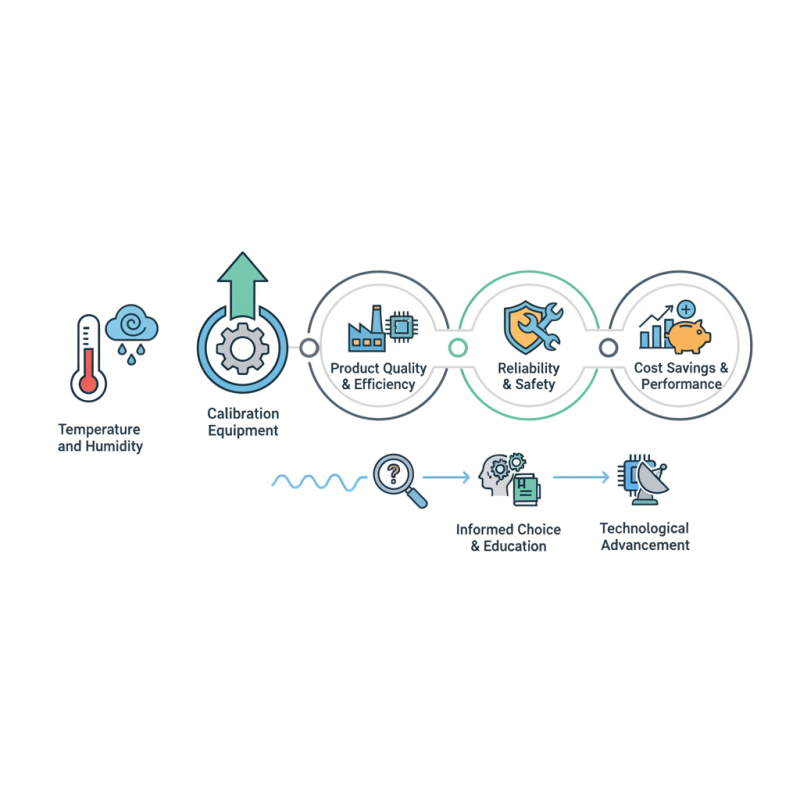
However, selecting the right equipment can be daunting. Many options saturate the market, making informed choices difficult. A surge in technological advancement means constant change. This continuous evolution requires industry professionals to stay updated. The journey to achieving accuracy with Temperature And Humidity Calibration Equipment demands critical reflection and ongoing education.
Overview of Temperature and Humidity Calibration Equipment
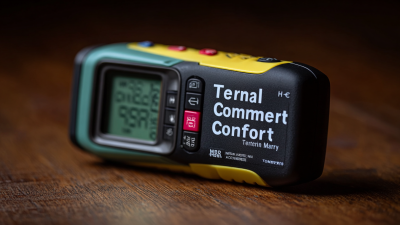
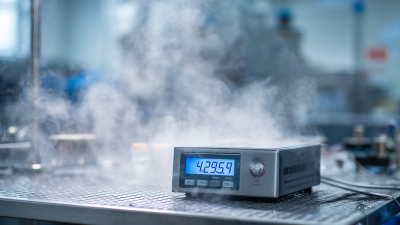
Calibration of temperature and humidity instruments is vital for precise measurements.
Accurate data ensures better product quality and compliance with standards. Several types of calibration equipment exist, ranging from portable devices to advanced laboratory instruments.
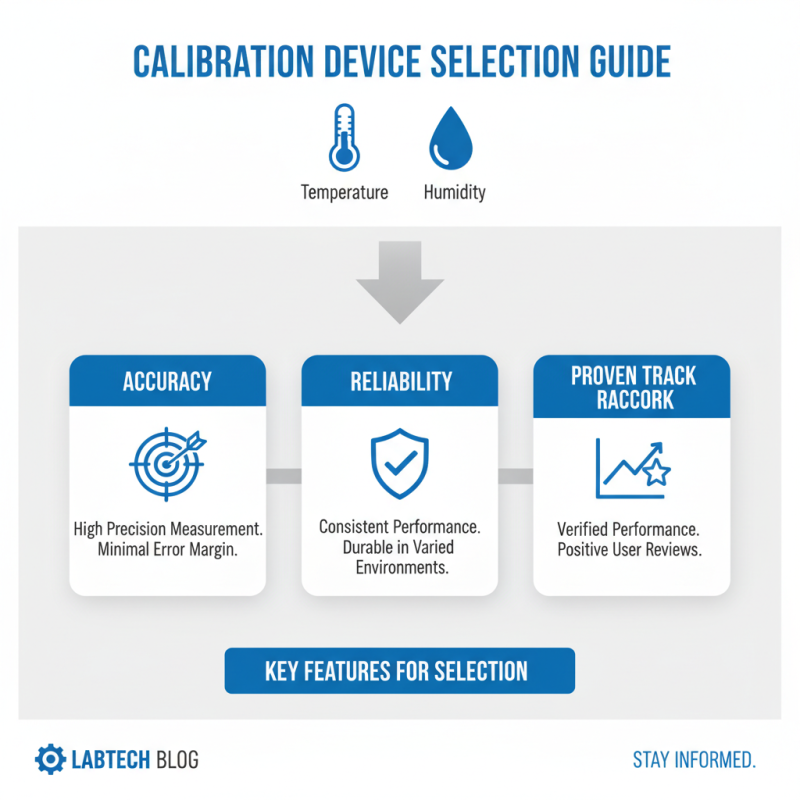
When choosing calibration equipment, it’s essential to consider accuracy and range. Some models may not cover all temperature or humidity ranges. It can be quite frustrating if your device falls short when testing.
Tip: Check your equipment frequently. Small errors can lead to significant discrepancies in results.
Understanding the specifications of your calibration device is crucial. Misunderstanding can lead to misinterpretations. Each type has its limitations, and knowing them can save time and prevent costly mistakes.
Tip: Always document calibration results. This practice creates a reliable history and helps identify patterns over time.
Types of Calibration Equipment Available for Temperature and Humidity
Calibration of temperature and humidity is critical in various industries.
Accurate measurements ensure product quality and
safety. There are multiple types of
calibration equipment available, each with distinct functions.
Temperature calibration equipment includes
liquid-in-glass thermometers and
digital thermometers.
Liquid-in-glass thermometers are traditional but can be less accurate at extreme temperatures. They often show
errors of 0.5 °C.
Digital thermometers offer better precision, with some models achieving an accuracy of
±0.1 °C, making them a popular choice.
For humidity, hygrometers are the primary tool.
Capacitive hygrometers are widely used for their fast response and sensitivity. They typically have an
accuracy of ±2% RH, useful for many applications.
However, they require regular calibration to maintain accuracy.
Additionally, dew point testers provide critical data.
A slight miscalculation in dew point can lead to condensation issues in
sensitive environments, reflecting the importance of choosing the right calibration tool.
In conclusion, the choice of calibration equipment affects measurement accuracy.
The ongoing challenge is ensuring these tools remain reliable over time.
Regular checks and recalibrations are essential, highlighting a need for diligence in maintaining
measurement integrity.
Best Practices for Using Calibration Equipment Effectively
Calibration equipment plays a critical role in maintaining accurate temperature and humidity measurements. For best results, regular checks of this equipment are necessary. Dust and environmental factors can affect instrument performance. Ensure your devices are placed in clean, controlled environments to minimize interference.
Using calibration equipment requires attention. Before beginning, verify that all instruments are functioning properly. Take note of any discrepancies in readings. Small errors can lead to significant impacts on results. Always document measurements and any calibration adjustments made. This helps track equipment performance over time.
When handling equipment, a careful approach is essential. Avoid exposing calibration devices to extreme conditions. Rapid temperature changes can skew results and lead to miscalibrations. Regularly review your calibration procedures to identify potential areas for improvement. Reflect on previous calibration sessions to spot patterns or recurring issues. Adapt your practices based on these reflections for enhanced accuracy.
Top Temperature And Humidity Calibration Equipment for Accurate Measurements - Best Practices for Using Calibration Equipment Effectively
| Equipment Type |
Measurement Range |
Accuracy |
Calibration Interval |
Best Practices |
| Digital Thermometer |
-50°C to 150°C |
±0.1°C |
6 months |
Calibrate in stable temperature environments |
| Hygrometer |
0% to 100% RH |
±2% RH |
12 months |
Avoid exposure to direct sunlight during calibration |
| Thermo-Hygrometer |
-20°C to 60°C, 0% to 100% RH |
±0.3°C, ±2% RH |
6 months for temperature, 12 months for humidity |
Ensure proper storage away from moisture |
| Calibrated Reference Probe |
-40°C to 120°C |
±0.05°C |
6 months |
Use appropriate calibration solutions |

 Sensor
 Measuring Instruments
 Measurement Systems
 Architectural Physics Laboratory