Top 10 Heat Stress Monitors You Need to Know About?
In the world of occupational safety, the importance of Heat Stress Monitors cannot be overstated. According to Dr. Lisa Smith, a leading expert in environmental health, "Accurate monitoring of heat stress conditions is crucial for worker safety.” In industries where high temperatures are prevalent, the risk of heat-related illnesses significantly increases. Heat Stress Monitors play a vital role in mitigating these risks.
These devices measure various environmental parameters, ensuring that workplaces remain safe and compliant. They track temperature, humidity, and even radiation levels. Accurate data helps companies make informed decisions about worker breaks and hydration. Lack of such monitoring can lead to severe health consequences, both physically and legally. The need for reliable Heat Stress Monitors in these environments is evident.
Innovative designs are emerging, but deficiencies still exist. Many monitors may lack user-friendly interfaces. Others do not provide real-time data, which delays critical responses. Companies must reflect on how they implement these monitors to protect their workforce effectively. Optimal user training and device maintenance are essential for real impact. By prioritizing the right technology and processes, industries can truly safeguard their workers against heat stress.
Overview of Heat Stress Monitoring and Its Importance
Heat stress monitoring is essential for maintaining health and safety in various environments. High temperatures can lead to serious health risks, including heat exhaustion and heat stroke. Understanding how to measure heat stress is crucial, especially in industrial and outdoor settings. Accurate monitoring helps prevent these risks, thereby safeguarding workers' well-being.
It's vital to recognize key indicators of heat stress. Humidity, temperature, and air movement all contribute to how heat affects the body. A proper heat stress monitor provides real-time data, allowing for timely interventions. This proactive approach can significantly enhance workplace safety.
Tips: Regular breaks can reduce heat stress risks. Encourage hydration among workers, as water intake is key. Also, consider scheduling more strenuous tasks during cooler parts of the day. Simple adjustments can make a substantial difference in preventing heat-related illnesses.
Top 10 Heat Stress Monitors You Need to Know About
| Monitor Model |
Key Features |
Temperature Range (°C) |
Humidity Range (%) |
Battery Life (Hours) |
Price ($) |
| Model A |
Real-time monitoring, data logging, alerts |
-10 to 50 |
0 to 100 |
72 |
150 |
| Model B |
Bluetooth connectivity, mobile app support |
-20 to 45 |
10 to 95 |
50 |
200 |
| Model C |
Portable, rugged design, waterproof |
-10 to 60 |
5 to 90 |
100 |
250 |
| Model D |
User-friendly interface, historical data access |
-30 to 55 |
0 to 100 |
80 |
180 |
| Model E |
Integrated with HVAC systems, alert notifications |
-20 to 50 |
15 to 85 |
60 |
220 |
| Model F |
Smart alerts, compatible with IoT devices |
-15 to 45 |
20 to 95 |
120 |
300 |
| Model G |
LED display, built-in storage, remote access |
-10 to 50 |
0 to 100 |
90 |
230 |
| Model H |
Long-range sensors, customizable alerts |
-25 to 70 |
10 to 90 |
100 |
275 |
| Model I |
Multi-sensor capabilities, cloud integration |
-10 to 60 |
0 to 100 |
80 |
240 |
| Model J |
Advanced analytics, mobile notifications |
-15 to 55 |
0 to 100 |
75 |
300 |
Criteria for Selecting Effective Heat Stress Monitors
When selecting effective heat stress monitors, consider several crucial criteria. Accuracy is essential. A reliable monitor should reflect real-time temperature and humidity. Studies indicate that inaccurate readings can lead to unsafe working conditions. Ensuring that the device provides precise data helps protect workers' health.
Sensitivity to environmental changes is another critical factor. Monitors should react swiftly to sudden temperature shifts. A sensitive device will alert users before heat-related illnesses occur. Keep in mind that different industries may demand specific features. For example, agricultural settings might need rugged devices resistant to dust and moisture.
Tip: Regularly calibrate your heat stress monitor for optimal performance. This can significantly reduce the risk of errors in readings.
Also, consider the ease of use. A complex interface can hinder proper utilization. Monitors with clear displays and straightforward functionalities are essential. Train employees on effective monitoring practices. Continuous education is vital, as knowledge gaps can lead to serious health risks.
Tip: Share findings and trends from your heat stress monitoring data with your team. This fosters a proactive approach to health and safety.
Top 10 Heat Stress Monitors Available on the Market
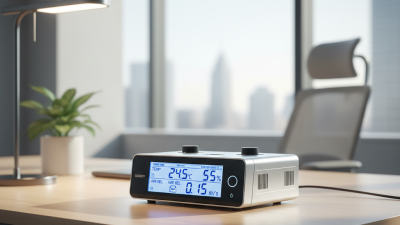
Heat stress monitors play a vital role in ensuring safety in high-temperature environments. These devices detect temperature fluctuations and humidity levels. They help identify when conditions become hazardous. Effective heat stress monitors alert users early, allowing for timely interventions.
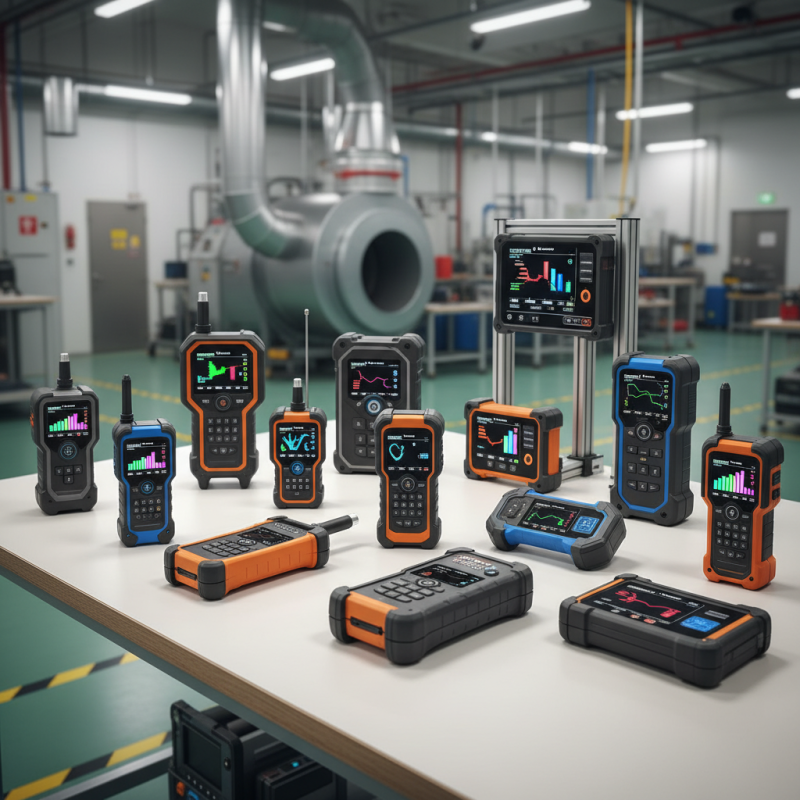
Several options are available on the market today. Many models feature real-time data display. Some also provide alerts through mobile apps. They range from simple wearable devices to more complex system integrations. Users need to consider multiple factors. These include accuracy, battery life, and ease of use. It's crucial to choose a monitor that fits specific needs.
The market is filled with choices, each with its own strengths. Some models excel in portability, while others offer comprehensive analytics. Venturing into a purchase requires research. Not all monitors are built the same. Users should read reviews and seek expert opinions. This can prevent potential oversights in selection. Prioritizing a reliable selection can significantly impact safety and comfort.
Features and Benefits of Each Heat Stress Monitor
Monitoring heat stress is vital in various environments, especially workplaces. Accurate assessment can prevent health issues and improve productivity. Each heat stress monitor has unique features and benefits. Understanding these can help you make informed choices.
One essential feature is the accuracy of temperature and humidity readings. Reliable monitors provide real-time data, enabling timely decision-making. For instance, a device that measures heat index values can alert users to dangerous conditions. Look for monitors with user-friendly interfaces, making them accessible for all workers.
Tips: Regular calibration of monitors ensures reliability. Check that devices are in good condition, especially after prolonged use. Training on heat stress recognition is equally important for workers. They should know how to respond when readings indicate risks.
Another beneficial feature is data logging capabilities. This allows for tracking heat stress trends over time. Monitors equipped with alarms offer immediate notifications, promoting swift action. These tools enhance safety and support compliance with health regulations.
Tips: Set up a routine for reviewing data logs. This can help identify patterns and inform preventive measures. Encourage employees to share feedback about device usability. Continuous improvement in monitoring practices will enhance safety initiatives.
Future Trends in Heat Stress Monitoring Technology
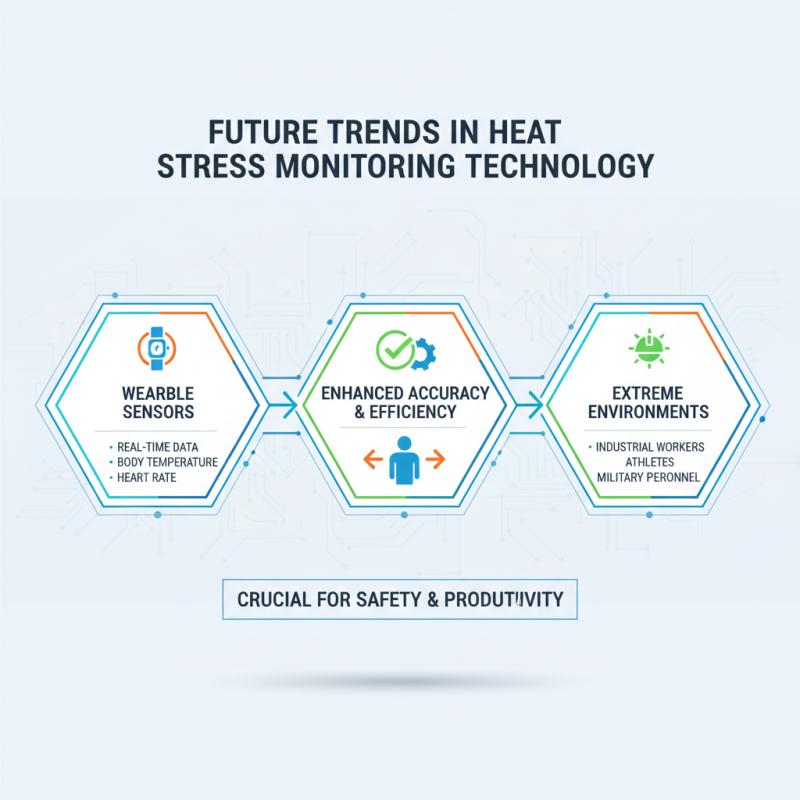
Heat stress monitoring technology is evolving rapidly. New devices aim to enhance accuracy and efficiency. Wearable sensors are at the forefront, providing real-time data. These sensors measure body temperature, heart rate, and environmental conditions. This information is crucial for workers in extreme environments.
The incorporation of artificial intelligence is another exciting trend. AI algorithms analyze data to predict heat-related illnesses. They process vast amounts of information quickly, improving response times. Enhanced machine learning techniques are also being explored. This could lead to even more personalized monitoring approaches.
Despite advancements, challenges remain. Current technology can be costly and complex. Not all workers may comfortably wear sensors. There is also the question of data privacy. Finding a balance between monitoring health and protecting privacy is vital. Continuous improvement and user feedback are essential for developing effective solutions.

 Sensor
 Measuring Instruments
 Measurement Systems
 Architectural Physics Laboratory