Top Tips for Choosing the Best Humidity Sensor for Home?
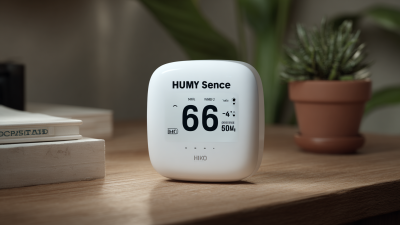
Choosing the right humidity sensor for home use is crucial for maintaining a comfortable living environment. According to Dr. Emily Chen, a leading expert in home automation, "A reliable humidity sensor can significantly enhance indoor air quality." This emphasizes the importance of selecting an appropriate "humidity sensor for home."
When navigating the market, homeowners should consider the sensor's accuracy, response time, and price. Many underestimate how fluctuations in humidity can affect health and comfort. A poorly chosen sensor can lead to issues such as mold and discomfort. Personal experiences highlight that not all devices deliver on their promises.
Users often find themselves overwhelmed by choices. Some sensors are overly complex, while others lack essential features. It’s important to find a balance that meets your specific needs. Remember, prioritizing quality over price will often yield better long-term benefits. A little research can prevent future headaches. Always seek options backed by reputable reviews and expert recommendations.
Understanding Humidity Sensors: Types and Technologies
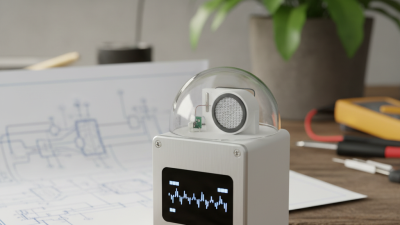
Humidity sensors play a crucial role in maintaining indoor air quality. They measure the moisture level in the air, impacting comfort and health. In the market, two primary types of humidity sensors stand out: resistive and capacitive sensors. Resistive sensors detect changes in electrical resistance due to humidity variations. This technology is often used in low-cost applications. Capacitive sensors, on the other hand, use changes in capacitance, offering higher accuracy and wider ranges. Research indicates that capacitive sensors typically provide a response time under 20 seconds, making them suitable for dynamic environments.
Another aspect to consider is the technology behind the sensor. Hygrometric sensors, for instance, are known for their reliability. According to a 2022 report from the International Society of Automation, the accuracy of these sensors can reach ±2% relative humidity. This precision is critical when monitoring sensitive environments, such as greenhouses or data centers. Many homeowners may overlook the importance of calibration. Regular recalibration improves sensor accuracy. Ignoring this can lead to discrepancies and poor indoor air management, ultimately affecting comfort levels.
Errors in sensor placement can also affect performance. Placing a sensor near windows or heating systems may yield inaccurate readings. Selecting the right sensor involves understanding these nuances. Digital interface options can enhance user experience and provide real-time data, making it easier to maintain optimal humidity levels.
Factors to Consider When Selecting a Humidity Sensor for Home Use
Choosing the right humidity sensor for home use requires careful consideration of several factors.
Accuracy is paramount. You want a sensor that provides reliable readings, ensuring you maintain optimal humidity levels.
Look for devices that advertise precision, often reflected in the specifications. Display clarity matters too.
A sensor with a clear, easy-to-read display simplifies daily checks.
Next, consider the sensor's response time. A quick reacting sensor gives you timely updates, especially in changing environments.
Battery life is another crucial aspect. Regularly replacing batteries can be cumbersome, so opt for models with long-lasting power.
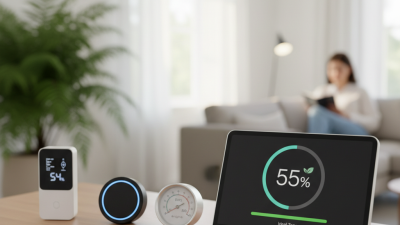
Connectivity options also play a role. Some humidity sensors support smart home integration, allowing for remote monitoring.
This feature can enhance your experience.
Installation and location vary widely among devices. Some sensors are portable, while others require permanent placement.
Think about where you want to monitor humidity. You might find that certain areas in your home need more attention than others.
Regularly reassess your choices. Sometimes, the sensor you chose may not perform as expected.
Reflecting on your needs can lead you to a better decision down the line.
Evaluating Accuracy and Precision in Humidity Measurement
Choosing the right humidity sensor for your home requires careful evaluation, especially regarding accuracy and precision in humidity measurement. Accurate readings help maintain a comfortable living environment, and precise measurements can prevent issues like mold growth or dry skin. Look for sensors that offer calibration features to ensure ongoing accuracy over time.
Consider the sensor's design as well. Some models are more sensitive in specific humidity ranges. Understand your home’s typical humidity levels. This knowledge will guide your choice effectively. Reading reviews can provide insights into how well different sensors perform in real-world conditions.
When selecting a sensor, verify its measurement range. A wide range offers flexibility, but the most relevant aspect is the sensor's reliability within your home's conditions. You may find some sensors struggle to maintain accuracy at extremes. Regular recalibration might be necessary to keep your readings precise. Your investment in a reliable model pays off with better home comfort.
The Role of Integration and Compatibility in Sensor Selection
When selecting a humidity sensor for your home, integration and compatibility are critical. The sensor must seamlessly connect with existing home systems. According to a recent industry report, over 70% of users experience integration issues with incompatible devices. This can lead to inaccurate readings and performance setbacks. Ensuring compatibility can enhance data accuracy and improve overall functionality.
Monitoring humidity levels is crucial for maintaining a healthy indoor environment. Sensors that integrate with smart home systems allow for real-time data monitoring. Research shows that homes with effective humidity management can reduce mold growth by up to 30%. However, not all sensors are created equal, and some may require additional components for proper integration. It’s essential to verify that the sensor supports your home automation protocols.
Consideration of data accessibility is also important. Some sensors may provide apps for monitoring but lack integration options with other smart devices. This can limit their practicality. Checking reviews and technical specifications can provide insights into users’ experiences. Feedback from other homeowners can guide you toward choices that enhance compatibility and integration, ultimately leading to better performance.
Budgeting for Quality: Pricing Considerations for Humidity Sensors
When considering humidity sensors for your home, understanding pricing is crucial. The market offers a variety of options, generally ranging from $20 to $200. Lower-priced models usually compromise on accuracy and longevity. Reports indicate that approximately 30% of budget sensors fail to deliver reliable readings within a year. Investing in quality is essential for avoiding these pitfalls.
Industry studies show that mid-range sensors priced around $50 to $100 balance quality and affordability. These models often use advanced technology to provide accurate data. The initial investment can lead to savings on energy costs, as proper humidity control can lower heating and cooling bills. Additionally, a well-functioning sensor helps to prevent mold, which can cost homeowners thousands in repairs.
Over time, spending on a more reliable unit can be justified by its performance. Regular maintenance of these devices is often overlooked. Some users find themselves frustrated when they have to frequently replace budget options. Investing in a reliable humidity sensor can contribute to a healthier indoor environment. Proper humidity levels not only enhance comfort but also support overall well-being.
Humidity Sensor Pricing Considerations

 Sensor
 Measuring Instruments
 Measurement Systems
 Architectural Physics Laboratory