Thermal Comfort Meter Insights for 2026 Canton Fair Buyers?
As the 2026 Canton Fair approaches, buyers must focus on efficiency and comfort. The introduction of the Thermal Comfort Meter at the event could greatly enhance the experience for attendees. With the fair set for April and May, covering diverse industries, understanding thermal comfort is essential.
Navigating through the expansive 1.55 million square meters of exhibition space requires more than just physical endurance. The integration of AI-powered navigation tools aims to streamline this process. However, relying solely on technology can lead to unexpected challenges.
Buyers should utilize the Thermal Comfort Meter to ensure a pleasant environment while exploring booths. The meter can aid in finding the best locations for meetings. Achieving optimized comfort is crucial for effective decision-making. Despite advancements, it remains important to reflect on how environmental factors affect productivity and engagement. Balancing technology with comfort is a journey, not a destination.
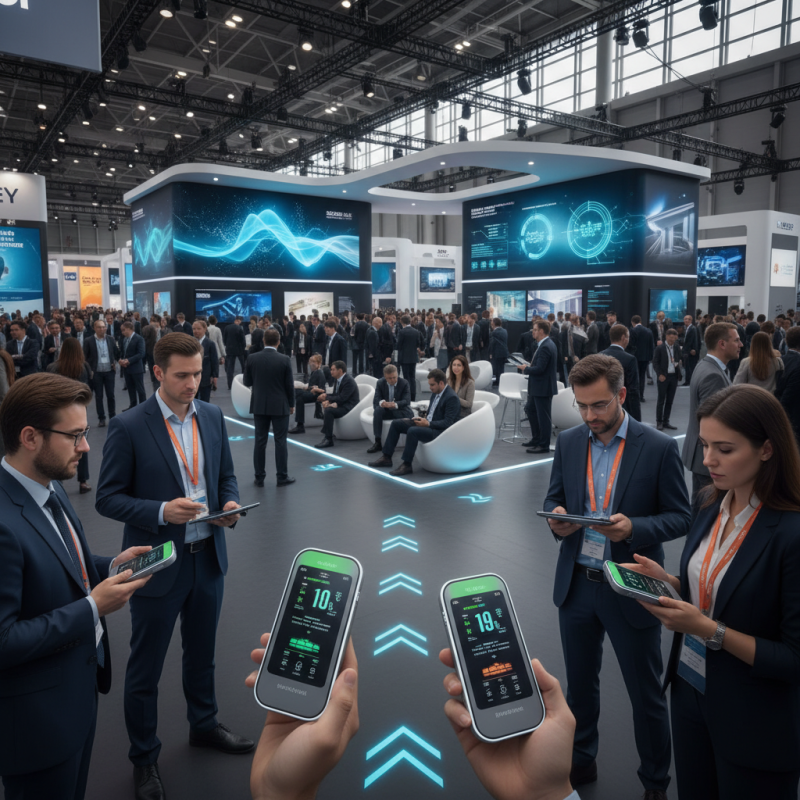
Thermal Comfort Meter: Definition and Relevance in Retail Spaces
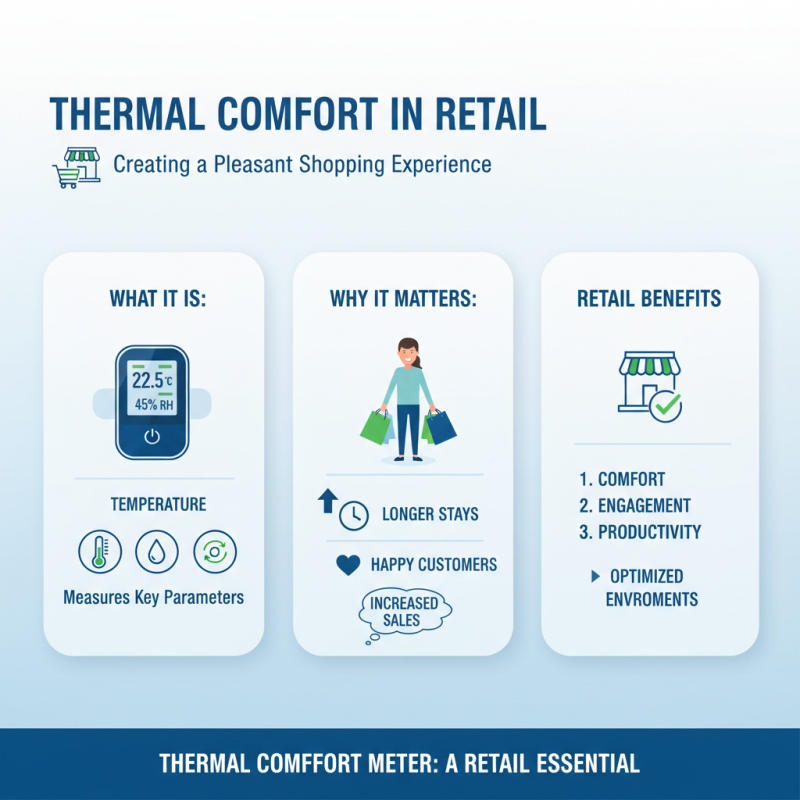
The thermal comfort meter is a vital tool for retail spaces. It measures parameters like temperature, humidity, and airflow. Businesses aim to create a pleasant shopping experience. Customers stay longer in stores that feel comfortable.
In retail, comfort directly influences consumer behavior. If a store is too hot or cold, shoppers quickly leave. Poor air quality can also drive people away. Consequently, businesses should assess their environments continuously. Regular checks are necessary, yet many retailers overlook this aspect.
Setting the right comfort parameters is not always easy. Factors like store layout and customer flow play significant roles. A well-designed space should encourage exploration. Yet, many shops fail to adapt to seasonal changes. Reflecting on these issues can lead to better solutions. Enhanced comfort levels can ultimately boost sales and customer satisfaction.
Understanding Thermal Comfort Metrics for Effective Customer Experience
Understanding thermal comfort is vital for creating a pleasant shopping experience. Buyers at the Canton Fair in 2026 will benefit from knowing how to measure and enhance this aspect. Thermal comfort metrics include temperature, humidity, and air movement. These factors can greatly influence customer satisfaction.
One effective tip is to pay attention to airflow. A space that feels stuffy can deter visitors. Consider using fans or open spaces to improve air circulation. Adjusting temperature settings is also crucial. Too hot or too cold can drive customers away. The goal is to maintain a comfortable temperature range.
Lighting is another factor. It can affect perceived warmth. Bright lighting can feel harsher. Softer, warmer lighting might enhance comfort levels. Be open to experimenting until you find the right balance. Reflect on the feedback you receive from customers. Their comfort is directly tied to their shopping habits.
Key Features of Modern Thermal Comfort Meters for Canton Fair Buyers
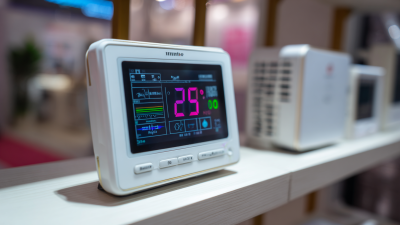
Modern thermal comfort meters are essential for buyers attending events like the Canton Fair in 2026. These devices measure temperature and humidity effectively, providing data for optimal comfort settings. According to a recent industry report, nearly 65% of consumers prioritize comfort in their purchasing decisions. This emphasizes the importance of accurate measurements.
Key features of these meters include real-time data display and user-friendly interfaces. Many models now offer advanced connectivity options, allowing integration with smart home systems. The report also notes that 70% of buyers prefer devices that can communicate data to their smartphones. This trend highlights the ongoing shift towards digital solutions in our daily lives.
However, not all thermal comfort meters are created equal. Some cheaper options lack precision, leading to data that may misguide consumers. Inconsistent readings can result in discomfort, undermining the purpose of these tools. Buyers should be aware of calibration standards and user reviews before making a decision. Investing in a reliable meter could enhance the overall experience at the fair.
Thermal Comfort Insights for 2026 Canton Fair Buyers
Industry Standards: Assessing Temperature and Humidity Factors in Displays
Temperature and humidity play crucial roles at the Canton Fair. Buyers need to gauge these factors for optimal thermal comfort. High humidity can make displays feel sticky and uninviting. Conversely, overly dry air can affect product integrity. Finding the right balance is key.
Investing in a thermal comfort meter is an excellent idea. This device helps monitor conditions in real-time. Buyers can quickly adjust settings to improve comfort. Easy adjustments may enhance customer engagement as well.
Tips: Keep displays well-ventilated. Take frequent breaks in cooler zones. Always check humidity levels before setting up. You might need to revisit your setup if conditions seem off. Be open to tweaking your approach as needed. Comfort is a dynamic process, requiring regular attention. Whiteboards can be your friends for mapping display adjustments.
Future Trends in Thermal Comfort Measurement Technology for 2026 Buyers
As we look to the future of thermal comfort measurement technology for 2026 buyers, several trends are emerging. Digital devices that offer real-time data are becoming increasingly popular. These compact tools allow users to measure temperature, humidity, and even air quality instantly. Such advancements make it easier for businesses to create environments that enhance comfort and productivity.
Integration with smart technologies is another significant trend. Buyers can expect thermal comfort meters that connect effortlessly with smartphones and other devices. This connectivity enables users to monitor conditions remotely. Instant alerts can notify them of temperature fluctuations. However, reliance on technology can sometimes lead to data overload. Users must learn to interpret the information effectively.
Moreover, sustainability is becoming crucial. There is a growing interest in energy-efficient solutions that monitor and optimize energy usage. Thermal comfort tools that encourage eco-friendly practices will likely see increased demand. Yet, it is essential to ensure these tools remain user-friendly. Complex interfaces can deter buyers. The balance between advanced features and usability will be vital in shaping future products.

 Sensor
 Measuring Instruments
 Measurement Systems
 Architectural Physics Laboratory