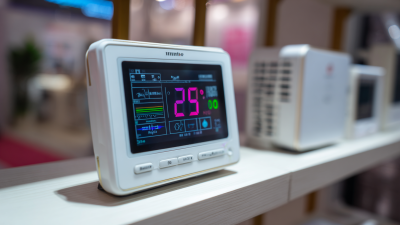
Why a Thermal Comfort Measuring System is Essential for Workplace Productivity
In today’s fast-paced work environment, optimizing workplace productivity is more crucial than ever. One often-overlooked factor that significantly influences employee performance is thermal comfort. The ability to maintain a comfortable indoor climate can lead to increased focus, higher job satisfaction, and ultimately, enhanced productivity. Experts believe that a comprehensive approach to measuring thermal comfort is essential for any workplace aiming to boost efficiency and employee wellbeing.

Dr. Emily Hartman, a leading authority in environmental ergonomics, states, “A Thermal Comfort Measuring System is not just a tool but a vital component in understanding how temperature impacts our work efficiency.” Her insights underscore the importance of implementing such systems to assess and adjust thermal conditions effectively. By integrating advanced measurement techniques and technologies, organizations can create a climate that satisfies the diverse needs of their workforce, thereby fostering a more productive and harmonious workplace.
In conclusion, prioritizing the assessment and management of thermal comfort through dedicated systems can provide substantial benefits to organizations. As businesses continue to adapt to changing work dynamics, investing in a Thermal Comfort Measuring System will be a forward-thinking strategy to ensure that employees thrive in their environments.
The Role of Temperature Control in Enhancing Employee Performance
Temperature control plays a crucial role in enhancing employee performance in the workplace. A comfortable working environment not only boosts morale but also increases focus and productivity. Studies have shown that extreme temperatures—whether too hot or too cold—can lead to discomfort, distraction, and even health issues among employees. Ensuring an optimal thermal comfort can help employees feel more engaged and willing to contribute positively to their tasks.
**Tips for Temperature Control:**
1. **Set Standard Ranges**: Aim to maintain a temperature range between 68°F to 72°F (20°C to 22°C) for optimal comfort. Adjustments may be necessary depending on the season and type of work being conducted.
2. **Use Automations**: Implement smart thermostats that adjust the temperature based on occupancy and time of day. This can enhance energy efficiency while ensuring that the office remains comfortable.
3. **Encourage Feedback**: Regularly solicit feedback from employees about their comfort levels and make adjustments as needed. Engaging employees in discussions about their environment can lead to improved satisfaction and productivity.
By prioritizing temperature control, employers create a workspace that fosters higher performance and overall well-being.
Understanding the Impact of Humidity on Workplace Concentration Levels
Humidity plays a significant role in determining workplace concentration levels. Research shows that when relative humidity falls below 30% or rises above 60%, it can lead to discomfort, which directly impacts productivity. A study by the American Society of Heating, Refrigerating and Air-Conditioning Engineers (ASHRAE) suggests that optimal indoor humidity levels should be maintained between 40-60% to ensure cognitive function and comfort. When humidity levels exceed this range, workers often report difficulties in focusing, increased fatigue, and decreased overall satisfaction.
Moreover, a report from the World Health Organization (WHO) found that high humidity can exacerbate the feeling of heat, leading to decreased alertness and cognitive performance. For example, in environments where humidity exceeds 70%, the ability to perform complex tasks can drop by as much as 15%.
Ensuring a stable humidity level is, therefore, not just a matter of comfort but a critical factor for maintaining efficiency and effectiveness in the workplace. By implementing advanced thermal comfort measuring systems, managers can create an environment that promotes better concentration and productivity, underlining the importance of humidity control in enhancing workplace performance.
Key Metrics for Assessing Thermal Comfort in Office Environments
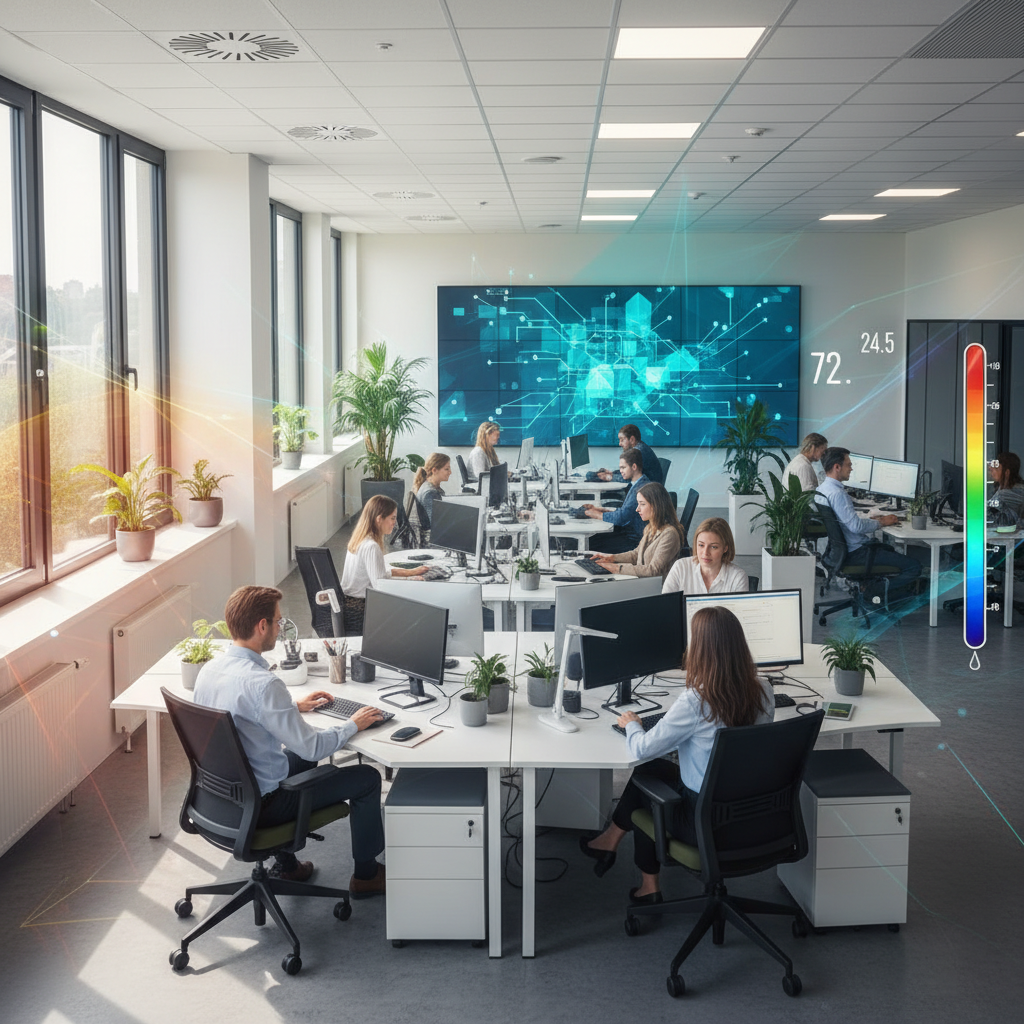
Thermal comfort in office environments plays a crucial role in enhancing workplace productivity. To assess and optimize this comfort level, it is essential to focus on key metrics that directly influence employees’ comfort and performance. One of the primary metrics is the operative temperature, which is a combination of air temperature and radiant temperature from surrounding surfaces. Maintaining an ideal operative temperature creates a comfortable environment where employees can concentrate and perform tasks efficiently.
Another critical metric is relative humidity, which affects not only comfort but also health and well-being. Ideal relative humidity levels, typically between 40% and 60%, can prevent discomfort caused by dry air or excessive moisture, reducing the risks of respiratory issues and improving overall workplace morale. Additionally, air velocity should be monitored to ensure proper ventilation without causing drafts.
By integrating these metrics into a comprehensive thermal comfort measuring system, employers can identify areas for improvement and create a conducive workspace that promotes productivity and employee satisfaction.
Strategies for Implementing Effective Thermal Comfort Solutions
Implementing effective thermal comfort solutions in the workplace requires a multifaceted approach. First, it’s crucial to assess the specific thermal needs of employees by conducting surveys and utilizing thermal mapping technologies. This data helps identify areas within the workspace that are too hot or too cold, allowing for targeted adjustments. Additionally, involving employees in the decision-making process ensures that their preferences and comfort levels are considered, fostering a more inclusive environment.
Once the needs are identified, organizations can invest in adjustable heating and cooling systems that allow for individual control. These systems can enhance comfort by enabling each employee to set their preferred temperature, reducing the likelihood of workplace disputes over comfort levels. Implementing strategies such as zoned climate control or providing personal fans and heaters can also help create optimal conditions for productivity. Regular maintenance of HVAC systems is essential to ensure consistent performance, further contributing to a comfortable and productive work environment.
Impact of Thermal Comfort on Workplace Productivity
The Long-Term Benefits of Investing in Thermal Comfort Systems for Businesses
Investing in thermal comfort systems for businesses offers substantial long-term benefits that go beyond mere employee satisfaction. Research indicates that optimal thermal conditions can enhance workplace productivity by up to 25%. According to the American Society of Heating, Refrigerating and Air-Conditioning Engineers (ASHRAE), maintaining temperature levels between 70-75°F in office settings not only boosts focus but also decreases sick leave. This can lead to significant cost savings for companies who otherwise face the burden of absenteeism and low morale.
Moreover, the integration of advanced thermal comfort measuring systems can facilitate energy efficiency and reduce operational costs. A report by the Global Institute for Energy Efficiency reveals that buildings equipped with smart climate control systems can save up to 30% on energy bills annually. This translates into lower overhead costs and supports sustainability initiatives. Over time, these investments in thermal comfort contribute to a more engaged and productive workforce, creating a positive cycle that benefits both employees and the bottom line.

 Sensor
 Measuring Instruments
 Measurement Systems
 Architectural Physics Laboratory