What is a Thermal Comfort Measuring Instrument and How Does it Work?
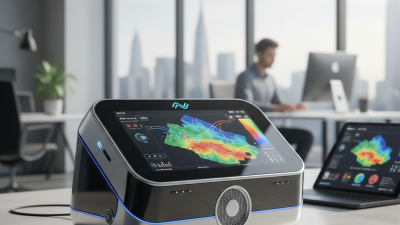
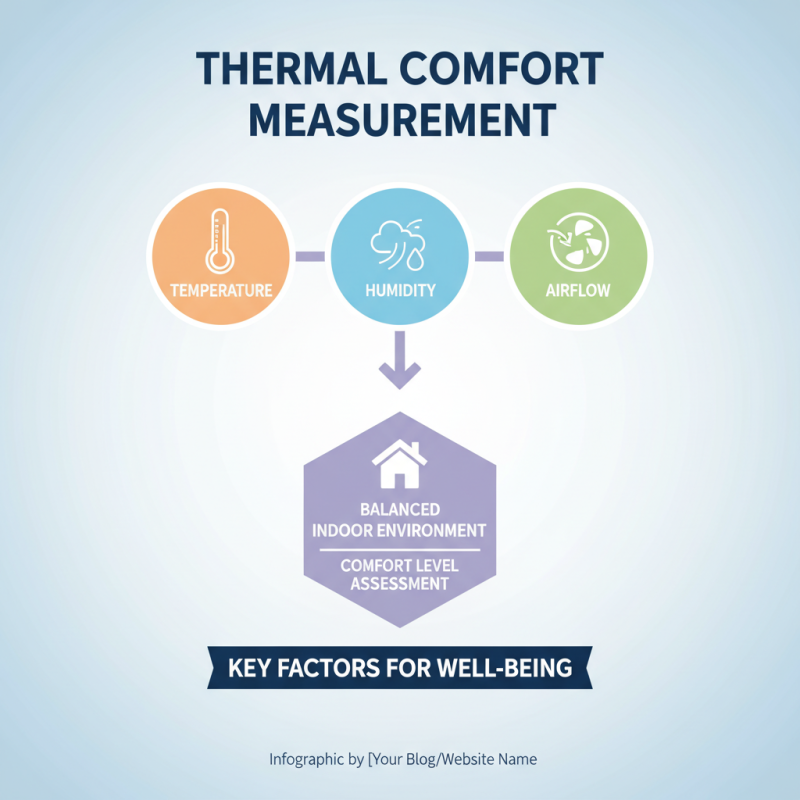
Thermal comfort is an essential aspect of indoor environments. It affects productivity, health, and overall well-being. A Thermal Comfort Measuring Instrument helps assess this comfort in various settings. These tools measure factors such as temperature, humidity, and airflow. Understanding these elements is crucial for creating comfortable spaces.
Incorporating technology, this instrument provides real-time data. For example, it can identify hot or cold spots in a room. This allows for more effective climate control systems. However, accuracy can sometimes be an issue. Calibration and proper usage are important for reliable measurements. Results can vary based on conditions.
Using a Thermal Comfort Measuring Instrument prompts reflection on personal comfort preferences. People experience thermal comfort differently. Factors like clothing and activity level play significant roles. Thus, results from these instruments may not always align with individual needs. Continuous improvement in measuring techniques will help address these discrepancies over time.
What is Thermal Comfort?
Thermal comfort refers to the state of mind that expresses satisfaction with the thermal environment. It is influenced by various factors, including air temperature, humidity, and air movement. Each person experiences thermal comfort differently. What feels comfortable for one may be too hot or too cold for another. Personal preferences play a significant role here.
Environmental conditions affect thermal comfort greatly. For example, high humidity can make a warm day feel even hotter. Similarly, cold drafts can reduce comfort even if the temperature is technically mild. People often overlook these factors, assuming they are only about temperature. The truth is, comfort encompasses a blend of elements working together.
To achieve optimal thermal comfort, one must pay attention to these details. Using thermal comfort measuring instruments can help gauge the exact conditions. However, these tools are not foolproof. They rely on accurate readings and subjective assessments. Understanding individual comfort needs is a continuous process. It's crucial to reflect on what setups enhance comfort for different environments.
The Importance of Thermal Comfort Measuring Instruments
Thermal comfort is essential in our daily lives. It impacts our productivity and well-being. Understanding thermal comfort helps us create better environments in homes, offices, and public spaces. This is where thermal comfort measuring instruments play a crucial role. These tools help assess temperature, humidity, and airflow. They provide valuable data for optimizing heating and cooling systems.
By measuring thermal comfort, these instruments highlight areas that need improvement. For instance, a room may feel uncomfortably warm or chilly. Adjustments can be made based on the readings. However, not all instruments provide accurate data. Some may need calibration or may not reflect true conditions. This inconsistency can lead to misconceptions about a space's comfort level.
Thermal comfort is subjective. Different people have different preferences. A measurement that suits one occupant might be uncomfortable for another. It’s important to recognize this variability. Often, people overlook the importance of these instruments. They are not just gadgets; they can enhance quality of life. A better understanding of thermal comfort can lead to healthier, more productive spaces.
Thermal Comfort Measurement: Key Parameters and Values
Types of Thermal Comfort Measuring Instruments
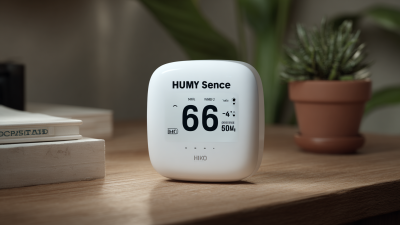
Thermal comfort measuring instruments play a vital role in maintaining a pleasant indoor environment. These devices assess factors like temperature, humidity, and air movement. Different types exist, each serving unique purposes.
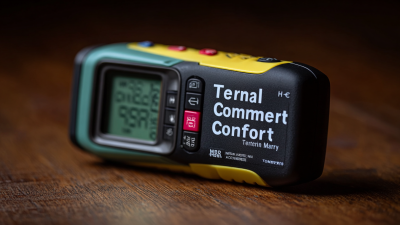
One common type is the handheld thermal comfort meter. It provides quick measurements and can gauge multiple parameters simultaneously. Another variant is the stationary sensor, often found in HVAC systems. These sensors continuously monitor conditions, ensuring optimal comfort.
Tips: Regularly calibrate your devices for accuracy. Simple adjustments can improve readings significantly. Be aware of the environment. Outdoor conditions can influence indoor readings, causing mismatched comfort levels.
Also important are wearable instruments. They offer personal thermal comfort insights. Users can track how different environments affect their well-being. However, these devices may vary in accuracy, leading to reflective moments about their reliability.
Types of Thermal Comfort Measuring Instruments
| Instrument Type |
Measurement Parameters |
Usage |
Accuracy |
| Thermal Anemometer |
Air velocity, temperature |
Airflow measurement in HVAC systems |
±2% of reading |
| Psychrometer |
Wet-bulb and dry-bulb temperature |
Humidity calculation and thermal comfort assessment |
±0.5°C |
| Heat Stress Monitor |
Temperature, humidity, radiant heat, wind speed |
Workplace safety and comfort evaluations |
±1°C |
| Infrared Thermometer |
Surface temperature |
Quick surface temperature checks |
±1.5°C |
| Data Logger |
Temperature, humidity over time |
Long-term monitoring and analysis |
±0.3°C |
How Thermal Comfort Measuring Instruments Work
Thermal comfort measuring instruments assess the comfort level of indoor environments. They focus on factors like temperature, humidity, and airflow. By combining these factors, these tools help to create a balanced atmosphere.
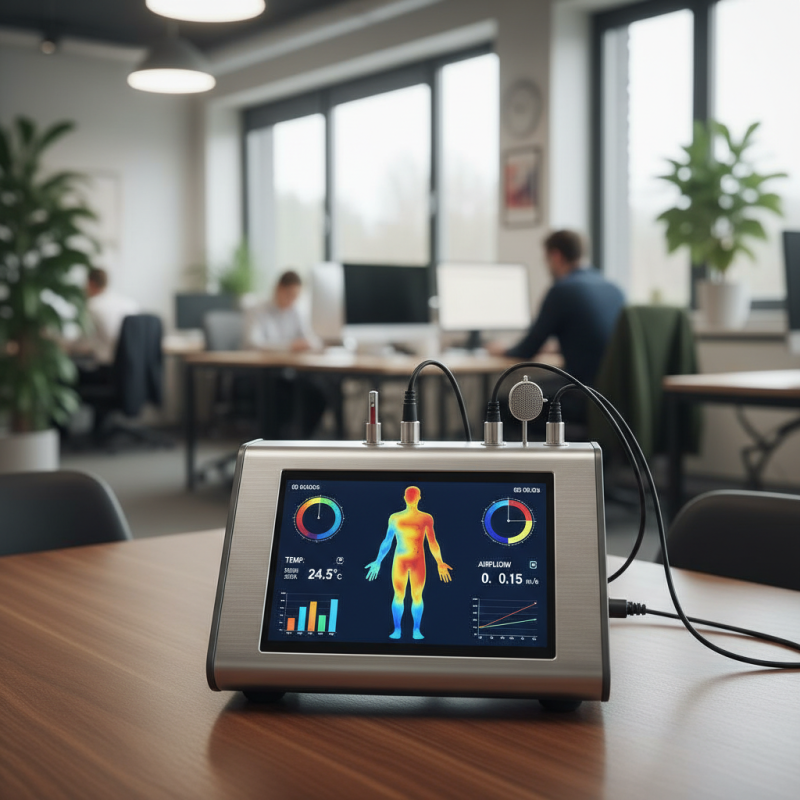
These instruments work using sensors. They detect various environmental parameters. Some sensors measure air temperature, while others monitor humidity levels. The data collected is displayed in real time. This allows users to adjust their surroundings easily. For instance, if humidity levels rise too high, the system may suggest ventilation to prevent discomfort.
Despite their usefulness, these instruments are not perfect. Calibration is essential for accurate readings. If not calibrated, they may show incorrect data. The placement of sensors also matters. A poorly placed sensor may give a skewed perspective of the room's comfort. Users must regularly assess the instrument's accuracy to ensure reliable measurements.
Applications of Thermal Comfort Measurements in Various Fields
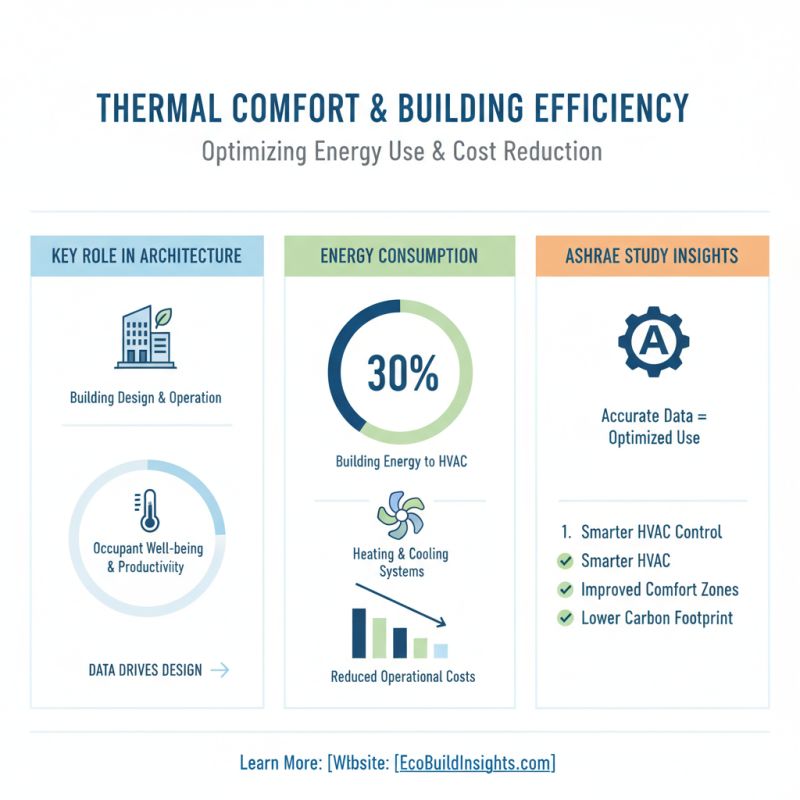
Thermal comfort measurements have diverse applications across various industries. In the realm of architecture and building design, these measurements are crucial. A study by the American Society of Heating, Refrigerating and Air-Conditioning Engineers (ASHRAE) indicates that nearly 30% of energy consumption in buildings is attributed to heating and cooling systems. Accurate thermal comfort data can help optimize energy use, thereby reducing operational costs.
In the workplace, ensuring employees are comfortable is vital for productivity. Research by the World Green Building Council suggests that a 1-degree Celsius increase in temperature can reduce workplace performance by 1%. Employers can invest in thermal comfort measuring instruments to monitor conditions and maintain an optimal environment. This can lead to significant improvements in employee satisfaction and well-being, something that shouldn’t be overlooked.
Healthcare applications are also significant. Hospitals need to maintain specific temperature and humidity levels for patient comfort and safety. The CDC highlights that poor thermal conditions can lead to increased stress and longer recovery times for patients. Measuring instruments allow for real-time adjustments, which can enhance the healing process. However, not all facilities prioritize this aspect, leading to varying patient experiences.

 Sensor
 Measuring Instruments
 Measurement Systems
 Architectural Physics Laboratory