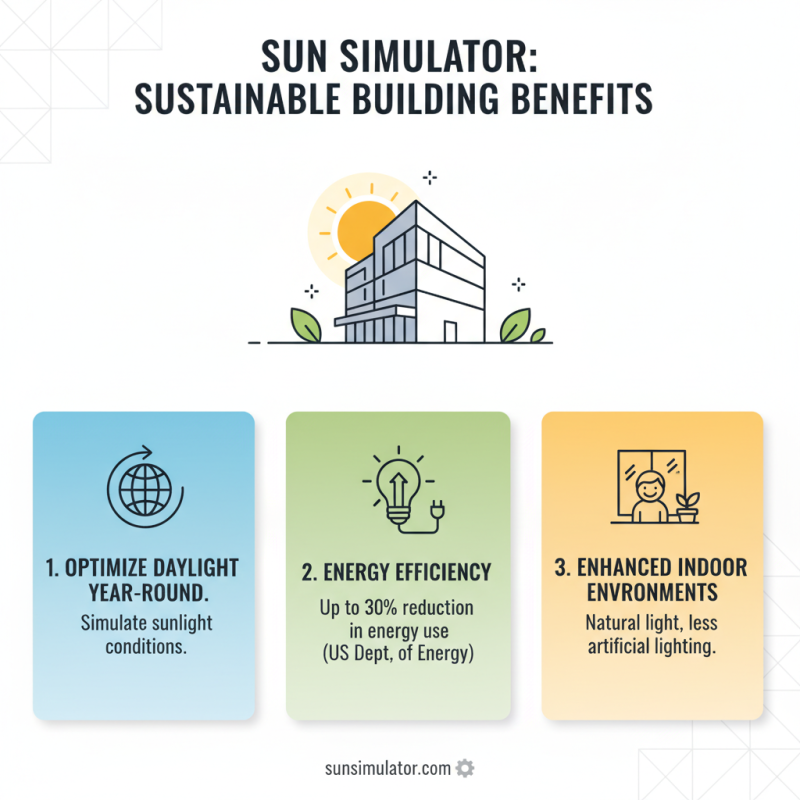
The Sun Simulator Heliodon Best Uses and Benefits Explained?
In the realm of architectural design, "The Sun Simulator Heliodon" stands out for its exceptional utility. According to Dr. Emily Chen, a leading expert in sustainable architecture, "This tool transforms how we understand sunlight's effect on our buildings." Her insights reflect the growing recognition of the Heliodon.
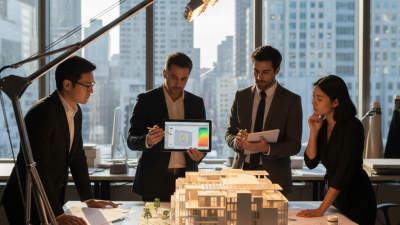
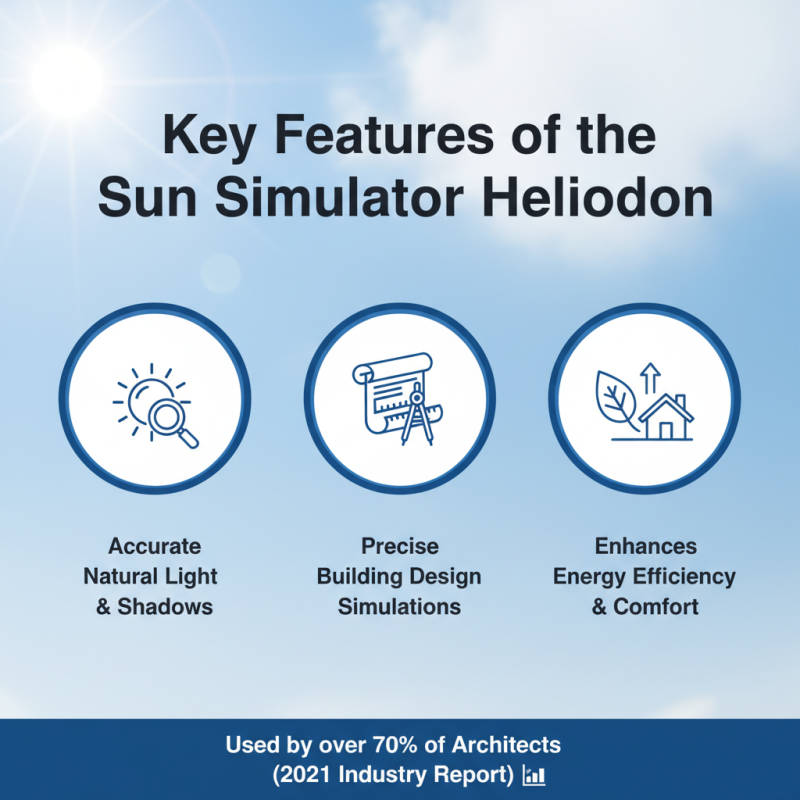
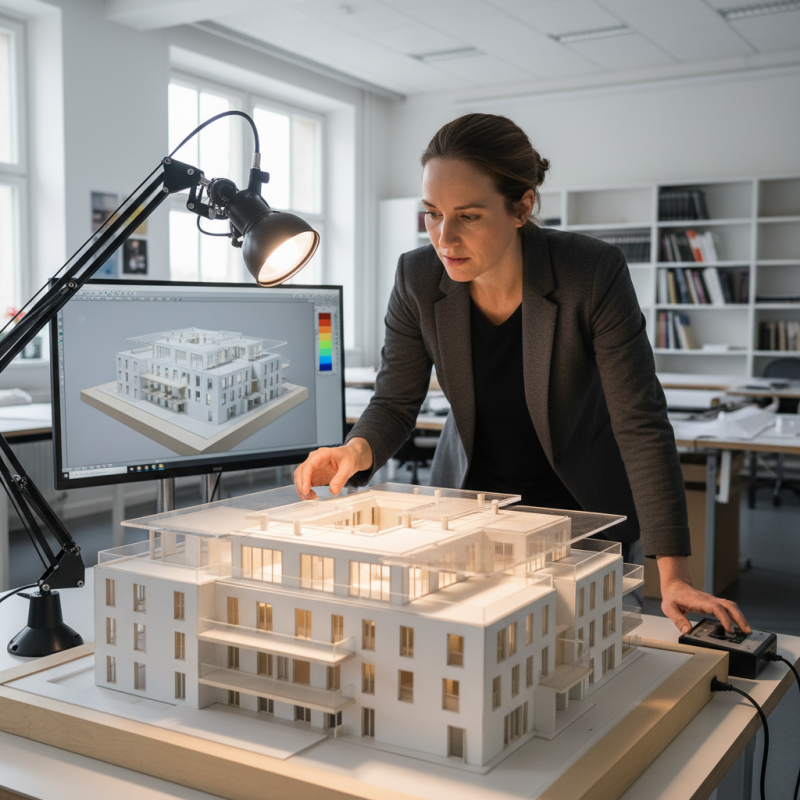
Architects and designers utilize "The Sun Simulator Heliodon" to study shadows and light dynamics. This technology aids in optimizing natural light, thereby enhancing energy efficiency. Imagine a designer carefully adjusting a model, observing real-time changes in light patterns. Such moments reveal the power of accurate sunlight simulation.
However, challenges remain. Many users may struggle to fully grasp the tool’s potential. Without proper training, the insights can be misinterpreted. It's crucial for professionals to continuously reflect on their approach. The Sun Simulator Heliodon offers immense possibilities, yet understanding its full scope demands dedication and experience.
Understanding the Sun Simulator Heliodon: An Overview
The Sun Simulator Heliodon offers a unique way to study sunlight effects in architectural designs. It allows architects to visualize how natural light interacts with their designs throughout the day. Reports show that around 40% of energy consumption in buildings is due to lighting. Using a Heliodon can help reduce that figure. Designers gain insights into light distribution, shadows, and warmth during different seasons.
Tips: When using the Heliodon, always consider the building’s orientation. This significantly impacts solar gain and thermal comfort. Ensure you replicate seasonal changes accurately. This can lead to better energy performance analysis.
While the Heliodon provides valuable data, it is not without limitations. The accuracy of simulation can depend on the model details. A poorly designed model could yield misleading results. This is where feedback from real-world applications becomes crucial. Adjustments based on actual performance can refine future designs, guiding energy efficiency improvements.
Applications of the Sun Simulator in Architectural Design
The Sun Simulator, or heliodon, plays a crucial role in architectural design. It helps architects visualize how sunlight interacts with their designs. By simulating the sun’s movement, architects can pinpoint areas of light and shadow. This insight is vital for ensuring comfort and energy efficiency in buildings.
Designing with the sun in mind leads to better outcomes. Architects can assess ventilation, heating, and cooling needs. They can explore how natural light enhances interior spaces. However, the precision of results can vary. Not every design may respond well to real-world conditions. Sometimes, unexpected shadows can occur. It’s important to rethink layouts based on these simulations.
Real-time adjustments can pose challenges. Architects need to be flexible in their planning. Incorporating this technology may require additional resources. Nevertheless, the benefits often outweigh these difficulties. Well-designed spaces can significantly reduce energy costs. Overall, using a Sun Simulator enriches the design process, but it demands critical thinking and adaptability.
The Sun Simulator Heliodon Best Uses and Benefits Explained
| Application Area |
Benefits |
Best Practices |
| Architectural Design |
Allows for accurate simulation of sunlight for optimizing building orientation and facades. |
Integrate with CAD software for precise solar path analysis. |
| Energy Efficiency Studies |
Identifies optimal energy-saving strategies through sun exposure evaluation. |
Conduct regular testing to validate energy model assumptions against actual data. |
| Urban Planning |
Facilitates sunlight access assessments for new developments. |
Utilize simulations to prepare reports that support planning applications. |
| Landscape Architecture |
Aids in designing landscapes that optimize natural light for plants. |
Analyze seasonal variations to promote sustainable landscaping. |
| Lighting Design |
Helps in designing effective daylighting systems to reduce electricity use. |
Combine with artificial lighting models for comprehensive design solutions. |
Comparing the Sun Simulator with Traditional Sun Mapping Techniques
The Sun Simulator, or Heliodon, offers excitement in architectural design. It allows users to visualize sunlight patterns in a controlled environment. Unlike traditional sun mapping techniques, which are often time-consuming and weather-dependent, the simulator provides instant feedback.
Traditional methods involve complex calculations based on geographical data. They rely heavily on the sun's trajectory over seasons. However, errors can occur due to outdated information or human oversight. Sometimes, results need adjustments to better reflect real-life conditions.
In contrast, the Sun Simulator provides a dynamic approach. It showcases light intensity and shadow in real-time. This immediacy can enhance design accuracy. Yet, it also brings challenges. Users may become overly reliant on technology, neglecting the value of manual methods. Relying solely on simulation may lead to oversights in scenarios where real-world testing is necessary. Balancing both methods offers the best outcomes.
Comparison of Sun Simulator and Traditional Sun Mapping Techniques

 Sensor
 Measuring Instruments
 Measurement Systems
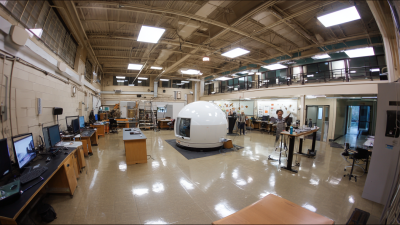
 Architectural Physics Laboratory