Why Is The Sun Simulator Heliodon Important For Design?
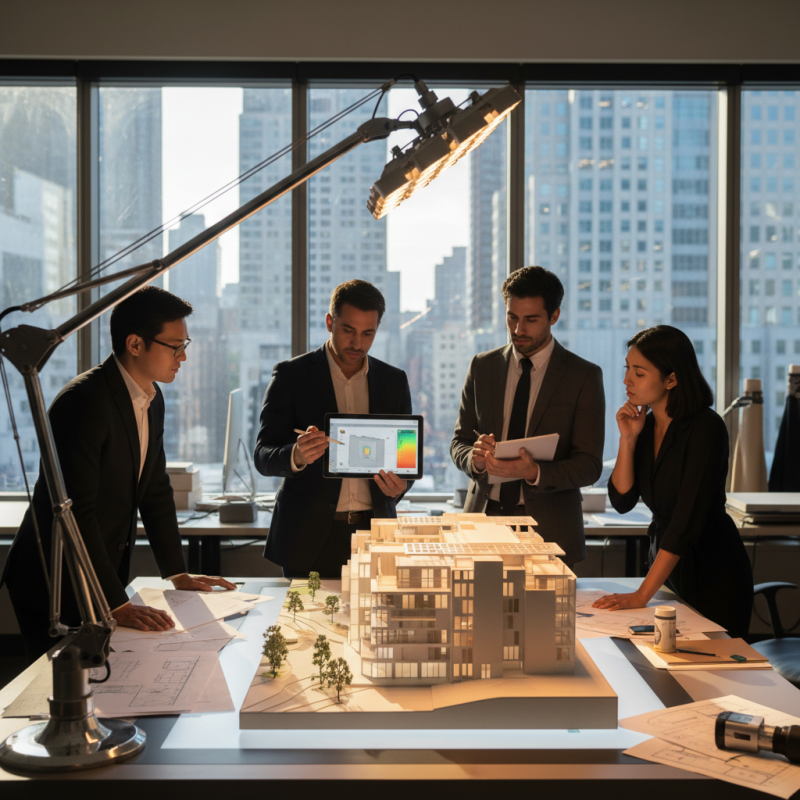
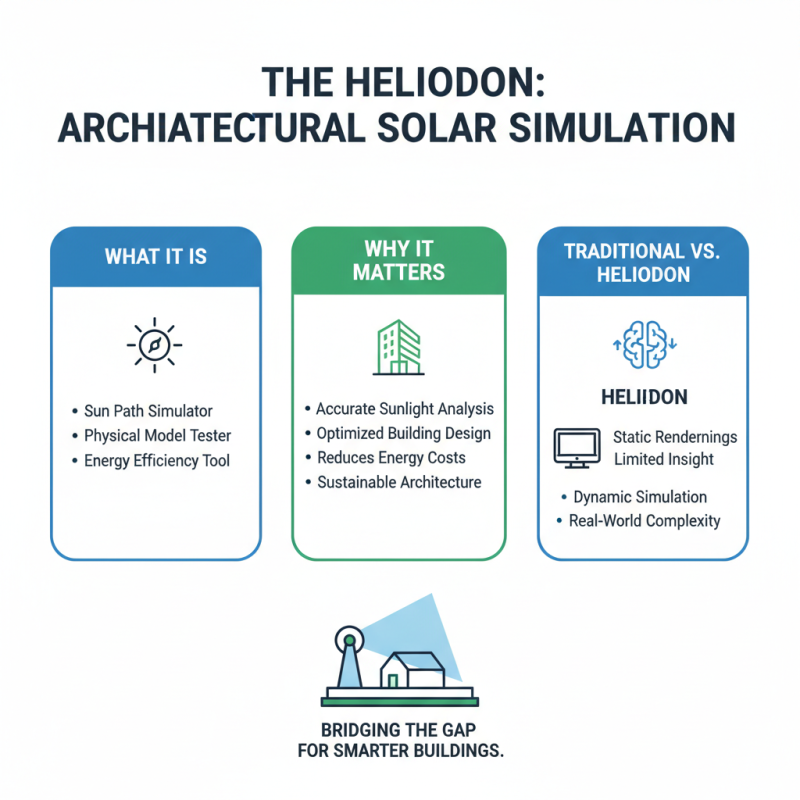
The Sun Simulator Heliodon is a vital tool in architectural design. It allows designers to visualize sunlight in their projects. Understanding sunlight patterns helps in creating comfortable spaces.
Using the Heliodon, architects can simulate different times of day and seasons. This brings clarity to how natural light interacts with structures. Designers often face challenges with shadows and glare. The simulator helps identify these issues early in the design process.
Incorporating natural light can lead to energy-efficient designs. Yet, achieving the perfect balance is not always easy. The Sun Simulator Heliodon encourages reflection on design choices. It pushes architects to consider the quality of light in their work. Embracing these challenges can lead to better, more sustainable designs.
Importance of Sun Simulation in Architectural Design
Sun simulation plays a crucial role in architectural design. It allows architects to visualize how sunlight interacts with buildings. By simulating various sun positions, designers can assess natural lighting and energy efficiency. This process helps in creating spaces that are not only functional but also aesthetically pleasing.
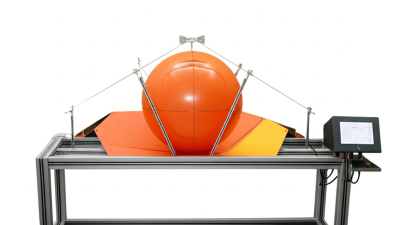
The Heliodon, a sun simulator, offers a practical tool for this purpose. It replicates the sun’s path throughout the year. Designers can experiment with different angles and shadows. This enhances the design process, revealing potential challenges early on. For example, too much sunlight can lead to overheating in a space. Architects can adjust their designs accordingly.
However, there are limitations. Simulating sun rays in a controlled environment may not capture all real-world variables. Weather changes and seasonal shifts can affect light patterns. Designers must remain flexible and open to adjustments in their designs. It's a reminder that even the best simulations can't replace real-life observations. The complexity of nature can be challenging, but it also inspires creativity and innovation in architectural design.
Understanding the Functionality of Heliodon Devices
The Heliodon acts as a powerful tool in design, specifically for architects and engineers. This device simulates sunlight, allowing users to visualize how natural light interacts with their designs throughout the day and across seasons. It helps in understanding shadows, heat gain, and daylighting potential in a controlled environment.
Using the Heliodon can highlight issues early in the design process. For example, improper orientation can lead to unpleasant glare or excessive heat. Designers can test multiple configurations to identify the most effective solutions. The results are not always perfect. Sometimes, the ideal light conditions might not match expectations, leading to new insights.
This technology emphasizes the importance of light in creating livable spaces. Design does not happen in a vacuum. Each decision impacts how light enters a space. The Heliodon provides a tangible way to explore these impacts. It transforms theoretical ideas into practical outcomes, enabling more refined, thoughtful designs. Reflection on outcomes from this test can lead to unexpected discoveries, enhancing the overall vision of a project.
Benefits of Using Heliodon in Solar Analysis
The Heliodon, or Sun Simulator, plays a crucial role in solar analysis for architectural design. This tool replicates sunlight and allows designers to simulate how sunlight interacts with buildings. Research shows that buildings can account for over 40% of global energy consumption. Understanding solar exposure is vital for designing energy-efficient structures. The Heliodon helps achieve this by providing visual feedback on how shadows and light will impact a building throughout the day and across seasons.
Using a Heliodon makes it easier to assess factors like natural lighting and thermal comfort. A study indicated that up to 80% of energy costs can be reduced by optimizing solar gain and minimizing heat loss. This clearly shows the indirect financial benefits of early solar analysis. However, reliance on simulations can be misleading. Real-world conditions constantly change. Designers must be cautious not to overlook site-specific variables such as local weather patterns or surrounding urban features.
Incorporating the Heliodon into the design process is not without challenges. For example, the accuracy of the model depends on the precise orientation and placement of the building in the simulation. Small errors in these details can lead to significant consequences in energy performance. Designers need to blend simulation results with real-world observations to ensure effective outcomes. This balance is essential for truly sustainable architectural design.
Applications of Sun Simulators in Sustainable Design
The sun simulator, known as Heliodon, plays a crucial role in sustainable design. It allows architects and designers to visualize how sunlight interacts with buildings. By simulating different times of day and seasons, designers can study light patterns in their projects. This helps in optimizing natural light use. It reduces reliance on artificial lighting, which can lower energy consumption.
One key application of sun simulators is in passive solar design. Designers can experiment with window placements and shading devices. They can observe how these elements influence the indoor climate. For example, proper shading can keep spaces cool in summer. Yet, some designs might not perform well in all environments. Designers must reflect on local climate conditions.
Another important application is in landscape architecture. Designers can use sun simulators to plan outdoor spaces effectively. They can assess how trees and structures cast shadows. This knowledge helps in creating comfortable, usable areas. However, it’s essential to remember that predictions are not always perfect. Constant adjustments based on real-world observations are necessary. Ultimately, while Heliodon offers valuable insights, ongoing reflections on its findings are essential for achieving truly sustainable designs.

 Sensor
 Measuring Instruments
 Measurement Systems
 Architectural Physics Laboratory