Why Is Temperature And Humidity Calibration Equipment Essential?
Temperature and humidity play critical roles across various industries. In precision environments, even slight deviations can lead to significant issues. For instance, Dr. Emily Scott, a leading expert in calibration technologies, noted, “Accurate Temperature And Humidity Calibration Equipment is vital for maintaining product quality.”
Such equipment ensures compliance with industry standards. It supports sectors from pharmaceuticals to food safety. However, not all calibration tools are equal. Some may provide inaccurate readings, risking product integrity. This highlights the importance of choosing reliable equipment.
Despite advancements, challenges persist. Many facilities overlook the necessity of regular calibration. They may think infrequent checks are sufficient. This misconception can lead to costly errors. The reality is straightforward: using effective Temperature And Humidity Calibration Equipment is essential for operational success. The stakes are high, and thorough understanding is crucial.
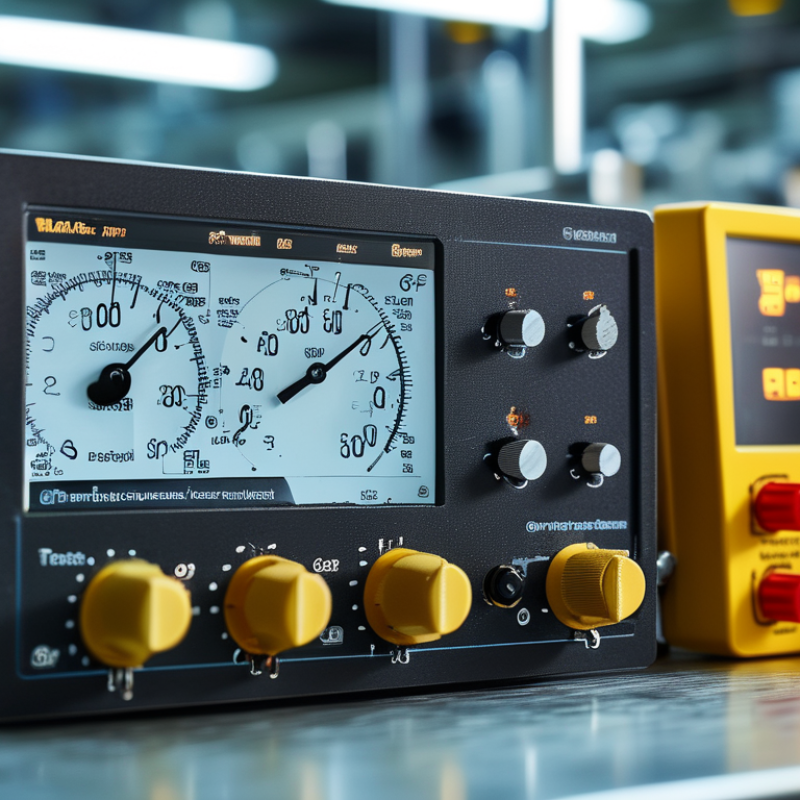
The Importance of Accurate Temperature and Humidity Measurements in Industries
Accurate temperature and humidity measurements are crucial across various industries. These parameters influence product quality, safety, and compliance. For instance, in pharmaceuticals, precise control of environmental conditions can prevent contamination. In food processing, improper humidity can lead to spoilage. This highlights the need for reliable calibration equipment.
Tips: Regularly check calibration schedules. This ensures accurate readings. Consider implementing a monitoring system for continuous oversight.
Poor calibration can result in significant losses. Many organizations struggle with outdated equipment. This can lead to discrepancies in data. Therefore, investing in reliable calibration tools is essential. They not only enhance accuracy but also build credibility in reporting.
Tips: Train staff on proper calibration techniques. Awareness can prevent errors. Document all calibration activities for accountability.
Key Standards and Regulations Governing Calibration of Environmental Parameters
Calibration of temperature and humidity is governed by several key standards and regulations. The International Organization for Standardization (ISO) provides specific guidelines that organizations must follow. For example, ISO 17025 outlines the general requirements for testing and calibration laboratories. These criteria ensure accuracy and reliability in measurements. According to a report from the National Institute of Standards and Technology (NIST), maintaining environmental controls within ±2% relative humidity is crucial for product integrity in various industries.
Another significant regulation is the Good Manufacturing Practice (GMP) standards. These require businesses to monitor and calibrate environmental conditions effectively. Non-compliance can lead to severe repercussions. A study found that temperature excursions, even for short periods, can degrade sensitive pharmaceutical products. Maintaining an accurate calibration process can be complex. Regular audits and verification procedures are necessary to identify discrepancies and ensure adherence to these standards.
Investing in high-quality calibration equipment is essential. Precise data collection is vital for industries that rely on environmental parameters. However, calibration processes can sometimes be overlooked or inadequately executed. A recent survey indicated that nearly 30% of facilities fail to meet baseline calibration standards. This gap highlights the need for ongoing education and training in calibration methods and standards. Ensuring consistent practices can improve compliance and overall operational efficiency.
Temperature and Humidity Calibration Data
Understanding the Impact of Temperature and Humidity on Product Quality
Temperature and humidity play a crucial role in determining product quality. For instance, in the food and pharmaceutical industries, precise calibration of these factors ensures integrity and safety. Fluctuations in temperature can lead to degradation. Similarly, excessive humidity can encourage mold growth or spoilage. Therefore, proper calibration equipment is vital for maintaining standards.
Establishing an optimal environment is not just a technical necessity. It reflects a commitment to quality. Without accurate calibration, costly errors may occur. Products may not meet safety regulations, leading to potential recalls. This highlights the need for regular checks and maintenance.
Tips: Always monitor your calibration equipment closely. Consider seasonal changes that might affect temperature and humidity. Additionally, keep detailed records of any fluctuations. These records can help in identifying patterns. A thorough understanding of environmental conditions can aid in refining processes and enhancing product reliability.
Best Practices for Selecting Calibration Equipment for Temperature and Humidity
When selecting calibration equipment for temperature and humidity, accuracy is crucial. The device must reliably read and adjust to various environmental conditions. Consider the range of temperatures and humidity levels your equipment needs to cover. This will help in choosing a model that fits specific requirements.
Durability also plays an essential role. Calibration equipment often operates in demanding environments. It must withstand temperature fluctuations and humidity extremes without losing accuracy. Look for equipment made from robust materials that can endure these conditions.
Another factor to consider is ease of use. Complicated equipment can lead to user error. A well-designed interface makes it easier for technicians to operate. Calibration procedures should also be straightforward to follow. However, always review the manual and understand the calibration process thoroughly. This prevents mistakes that could affect data integrity. Remember, consistent performance matters in maintaining high standards for precision in measurements.
Why Is Temperature And Humidity Calibration Equipment Essential?
| Calibration Equipment Type |
Accuracy |
Range (°C) |
Range (% RH) |
Usage |
| Digital Thermohygrometer |
±0.2°C |
-20 to 100 |
10 to 90 |
Environmental Monitoring |
| Humidity Generator |
±1.5% RH |
N/A |
10 to 95 |
Calibration |
| Thermal Bath |
±0.01°C |
-15 to 100 |
N/A |
Laboratory Calibration |
| Data Logger |
±0.5°C |
0 to 60 |
20 to 80 |
Long-Term Monitoring |
The Role of Calibration in Ensuring Compliance and Reducing Operational Risks
Temperature and humidity calibration equipment plays a vital role in many industries. Proper calibration is essential to ensure instruments provide accurate readings. When instruments are not calibrated, they may yield erroneous results. This can lead to poor product quality and compliance issues.
In regulated industries, compliance is non-negotiable. Calibration helps maintain adherence to standards that govern operations. Without proper calibration, organizations face increased risks. Inaccurate measurements can result in safety hazards, financial losses, and damaged reputations. The process of calibration itself can be flawed, requiring regular reviews and adjustments.
Operational risks arise from neglecting calibration procedures. This oversight often stems from time constraints or lack of resources. However, taking shortcuts can create costly mistakes. Investing in reliable calibration practices ensures precision and confidence in data. It is a proactive step towards maintaining a safe and efficient operation.

 Sensor
 Measuring Instruments
 Measurement Systems
 Architectural Physics Laboratory