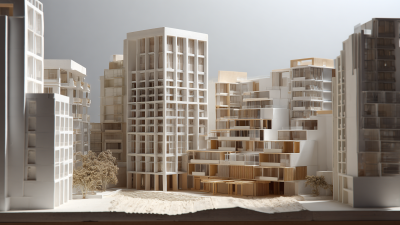
In the realm of sustainable design, maximizing natural light is a fundamental consideration for architects seeking to create energy-efficient and healthy spaces. One innovative approach to achieving this goal is through Heliodon Architecture, a technique that employs solar analysis tools to optimize building orientation, window placement, and material selection based on the sun's trajectory. By harnessing the power of sunlight, architects can enhance the visual and thermal comfort of a space, ultimately improving the overall quality of life for its occupants.
The principles of Heliodon Architecture not only emphasize the aesthetic benefits of natural light but also promote environmental sustainability by reducing reliance on artificial lighting and climate control systems. Through a meticulous study of the sun's movement throughout the seasons, architects can design buildings that respond dynamically to their surroundings, maximizing daylight penetration and minimizing heat gain or loss. This strategic alignment of architectural elements with the natural landscape can lead to substantial energy savings and a reduced carbon footprint.
As we explore the top ten Heliodon Architecture techniques to optimize natural light in buildings, we will uncover methods that are both practical and transformative. These techniques offer invaluable insights for architects and builders seeking to create innovative structures that harmonize with their environment while prioritizing the health and well-being of their occupants.
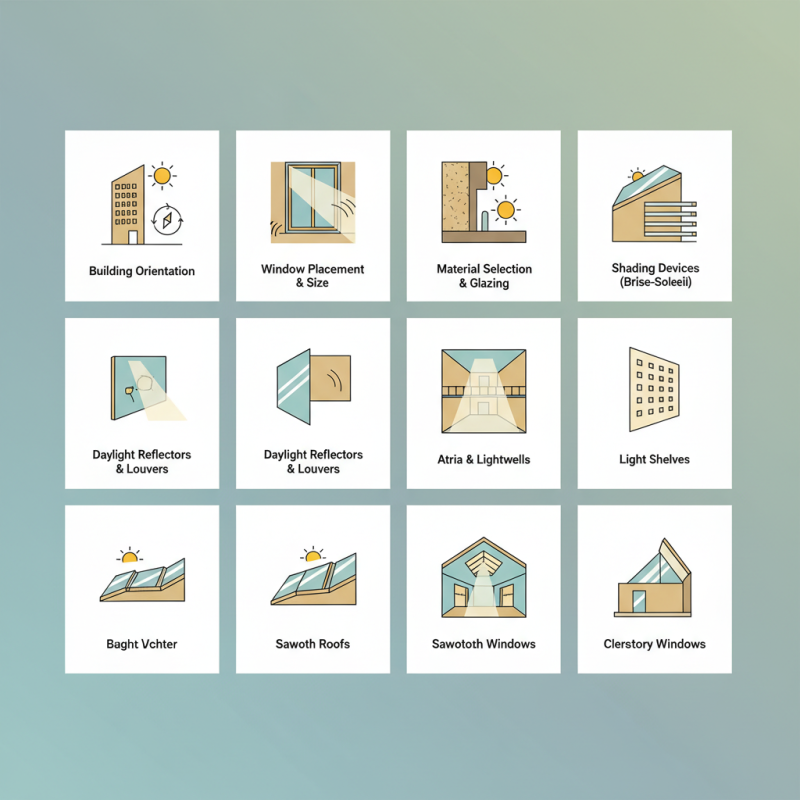
Understanding the heliodon serves as a critical step in optimizing natural light within architectural designs. This tool simulates the sun’s path, enabling architects to visualize solar movements throughout the year. According to the International Energy Agency, optimizing natural light can reduce energy consumption in buildings by up to 30%. By employing heliodon techniques, architects can strategically position windows and shade structures, ensuring maximum daylight penetration while minimizing glare and heat gain.
Research indicates that natural lighting significantly enhances occupant well-being and productivity. A study published by the Harvard Business Review highlights that employees working in well-lit environments report a 15% increase in overall satisfaction and performance. Furthermore, incorporating careful solar studies allows for strategic planning of building orientation and design features that align with solar trajectories. As a result, architects not only create aesthetically pleasing spaces but also foster environments that promote health and sustainability—aligning with contemporary architectural goals to reduce carbon footprints while enhancing user experiences.
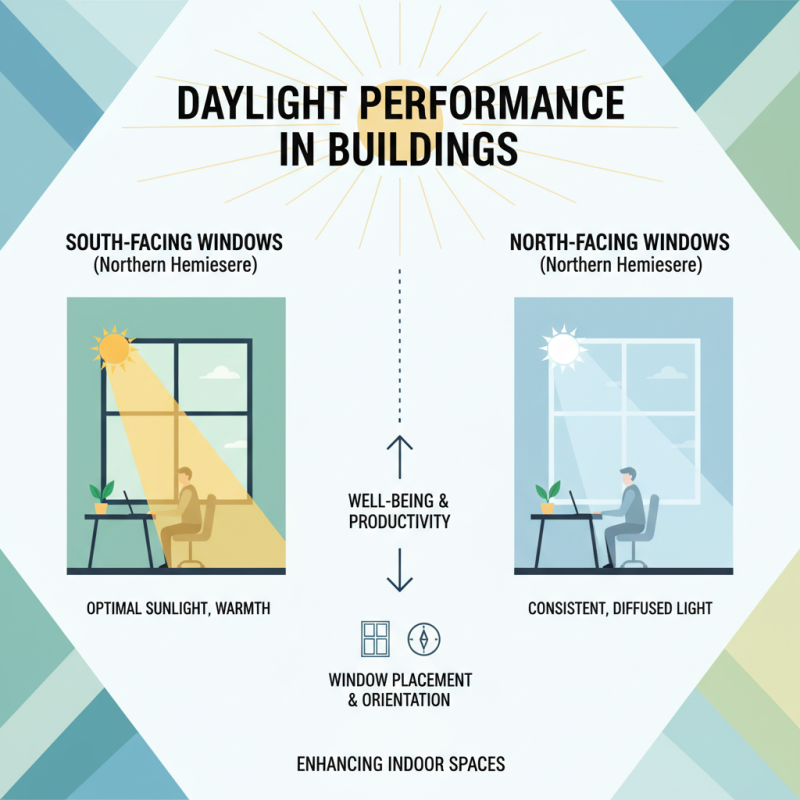
When analyzing natural light availability in buildings, it’s essential to consider the principles of daylight performance. Daylight not only enhances the aesthetic quality of indoor spaces but also contributes to the well-being and productivity of their occupants. The strategic placement of windows and the orientation of a building are critical factors that influence the amount of natural light that enters a space. For instance, south-facing windows in the northern hemisphere can capture optimal sunlight throughout the day, whereas north-facing windows provide a more consistent, diffused light suitable for working environments.
In addition to window placement, the use of reflective surfaces and light shelves can significantly improve daylight performance. Light shelves are horizontal surfaces that redirect sunlight deeper into a room, reducing reliance on artificial lighting. Incorporating materials with high reflectivity can further amplify natural light, creating brighter and more inviting spaces. Moreover, implementing shading devices helps mitigate glare while still allowing ample daylight to penetrate, ensuring that interior spaces remain both comfortable and well-lit. As architects and designers continue to develop innovative techniques for harnessing natural light, the overall impact on energy efficiency and occupant satisfaction will remain a crucial aspect of sustainable building design.
Passive design strategies are essential for optimizing natural light in buildings, focusing on orientation and shading techniques that enhance comfort while reducing energy consumption. The orientation of a building plays a crucial role in how sunlight enters a space throughout the day. By strategically positioning windows and living areas towards the south in temperate climates, architects can maximize daylight exposure while minimizing heat loss during winter months. This approach not only harnesses natural light but also works to maintain pleasant indoor conditions year-round.
Shading techniques further complement the benefits of proper orientation. Employing overhangs, awnings, or adjustable shades can effectively control direct sunlight, preventing excessive heat gain during peak hours. Incorporating vegetation, such as trees or green roofs, can also provide natural shading and further enhance the building’s thermal performance. By creatively integrating these passive design elements, architects can create spaces that are both energy-efficient and aesthetically pleasing, resulting in a harmonious interplay between the built environment and its natural surroundings. This holistic approach not only benefits occupants but also promotes sustainable architecture for future generations.
| Technique | Description | Benefits | Considerations |
|---|---|---|---|
| Building Orientation | Positioning buildings to maximize natural light based on sun paths. | Increased natural light, reduced energy costs. | Requires knowledge of local climate and sun angles. |
| Overhangs | Structural extensions that block direct sunlight in warmer months. | Controls heat gain, enhances daylight exposure. | Needs precise calculation for effectiveness. |
| Light Shelves | Horizontal surfaces that reflect daylight deeper into buildings. | Improves daylight penetration, reduces electric lighting needs. | Design complexity and potential maintenance issues. |
| Clerestory Windows | High windows that allow sunlight entry while maintaining privacy. | Increases natural light and enhances interior aesthetics. | Cost and installation considerations. |
| Light Tubes | Use reflective tubes to transmit natural light from the roof to interior spaces. | Effective in reaching spaces without direct windows. | Installation limitations based on building structure. |
| Window Placement | Strategic positioning of windows to control light entry. | Customization of light quality in different areas. | Potential privacy issues and glare management. |
| Operable Windows | Windows that can be opened to control airflow and natural lighting. | Improves ventilation while providing natural light. | Safety and security concerns need addressing. |
| High Performance Glazing | Low-E (low emissivity) glass to minimize heat loss yet allow light. | Enhances energy efficiency while maximizing daylight. | Higher upfront costs but savings on energy bills. |
| Active Shading Systems | Mechanical systems that dynamically adjust to light conditions. | Optimizes light quality and minimizes glare. | Higher maintenance and installation complexity. |
Advanced modeling tools have revolutionized the integration of heliodon techniques in the building design process, allowing architects and designers to optimize natural light in their projects. By employing sophisticated software, architects can simulate the movement of the sun throughout the year, analyzing how shadow patterns and daylight will play across a building’s facade. This capability enables design teams to make informed decisions about window placements, overhangs, and interior layouts, ensuring that natural light is maximized while minimizing glare and heat gain.
The integration of heliodon modeling into the design workflow not only enhances aesthetic appeal but also promotes energy efficiency. By understanding how natural light interacts with architectural features, designers can create spaces that harness sunlight effectively, reducing reliance on artificial lighting during the day. Furthermore, these tools allow for real-time adjustments and quick iterations, facilitating a more collaborative approach among stakeholders. The result is a more sustainable building design that aligns with environmental goals and responds to the needs of its occupants, showcasing the critical role of advanced modeling techniques in contemporary architecture.
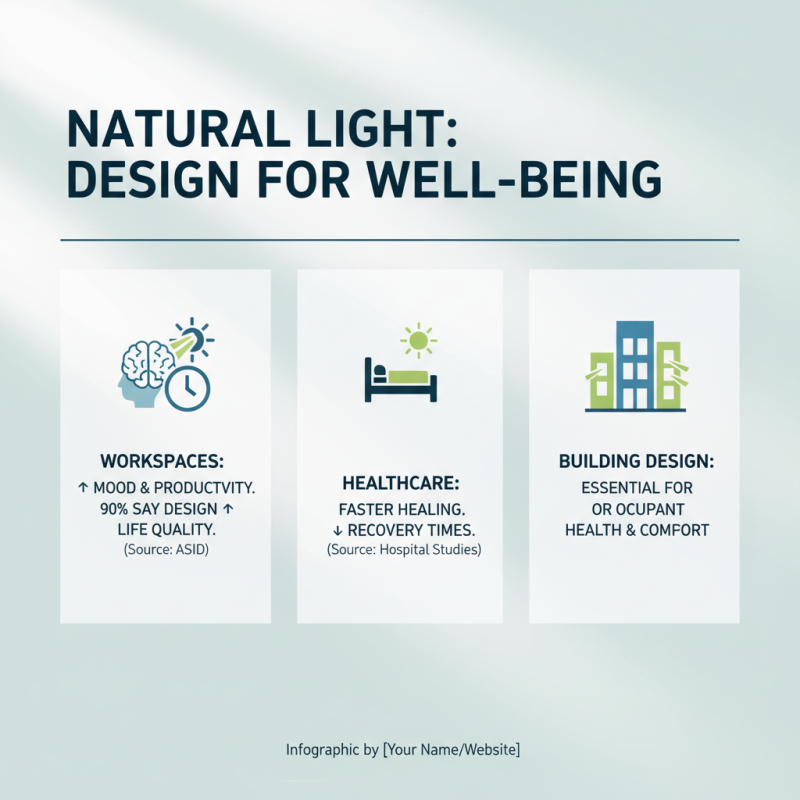
Natural light is a crucial element in building design, significantly influencing occupant well-being. Research indicates that exposure to natural light in workspaces can improve mood and productivity, with a study from the American Society of Interior Designers stating that 90% of respondents believe that a well-designed environment can enhance their quality of life. Furthermore, hospitals utilizing ample daylight in recovery areas have reported reduced healing times in patients, emphasizing the health benefits of natural light in architectural design.
Incorporating effective heliodon techniques can facilitate the optimal use of daylight. For instance, strategically placing windows to maximize sunlight exposure during peak hours not only enhances energy efficiency but also boosts psychological well-being. Tips for enhancing natural light in buildings include using reflective surfaces to distribute sunlight more evenly and incorporating skylights or light tubes to channel daylight deeper into interior spaces. Additionally, utilizing shades and blinds that allow for adjustable light entry can help maintain a pleasant and inviting atmosphere.
Ensuring that spaces are designed with natural light in mind can yield significant health benefits. A report from the World Green Building Council highlights that daylight exposure can increase alertness and reduce fatigue levels by up to 20%. By prioritizing natural light in building designs, architects can improve not just aesthetics but also the overall health and comfort of occupants, fostering a more productive and pleasant living or working environment.