Measuring comfort levels is crucial in various settings. This includes workplaces, homes, and public spaces. Understanding how comfortable individuals feel can greatly improve their overall well-being. It involves both physical sensations and emotional responses.
Many factors contribute to comfort, such as temperature, noise, and lighting. Each person may experience comfort differently. Some may thrive in a cooler environment, while others prefer warmth. The subjective nature of comfort makes Measuring Comfort Levels a complex task.
To assess comfort effectively, one must rely on various techniques. Surveys and direct feedback offer valuable insights. Observational methods can reveal subtle cues about comfort. However, some methods may not capture the full picture. There’s always room for improvement in understanding comfort. Thus, exploring innovative approaches remains vital for accurate assessments.
Understanding comfort levels is essential for improving our overall well-being. Comfort levels refer to the state in which individuals feel at ease, both mentally and physically. They impact our productivity, mood, and interactions. A good comfort level leads to a positive environment, while discomfort can hinder performance and relationships.
To measure comfort effectively, start by observing your surroundings. Assess your workspace, social settings, and even your home. Are the temperatures acceptable? Is the seating comfortable? These details matter more than we realize. Regular check-ins with yourself can help gauge your comfort.
Tips: Consider keeping a comfort journal. Write down moments when you felt uneasy and note the causes. Reflecting on these details helps identify patterns. Engage in conversations with peers. Their feedback can provide fresh perspectives on your comfort levels. Remember, improvement is a journey, not an endpoint. Comfort is subjective, and what works for one may not work for another.
| Measurement Method | Description | Pros | Cons |
|---|---|---|---|
| Surveys and Questionnaires | Collecting feedback through structured questions about comfort. | Easy to analyze, can reach a large audience. | Response bias, may lack depth. |
| Observation | Watching how individuals interact with their environment. | Direct insight into behavior. | Time-consuming, subject to observer bias. |
| Interviews | Conversational method of gathering personal input about comfort. | In-depth understanding, flexible. | Can be subjective, may require skilled interviewers. |
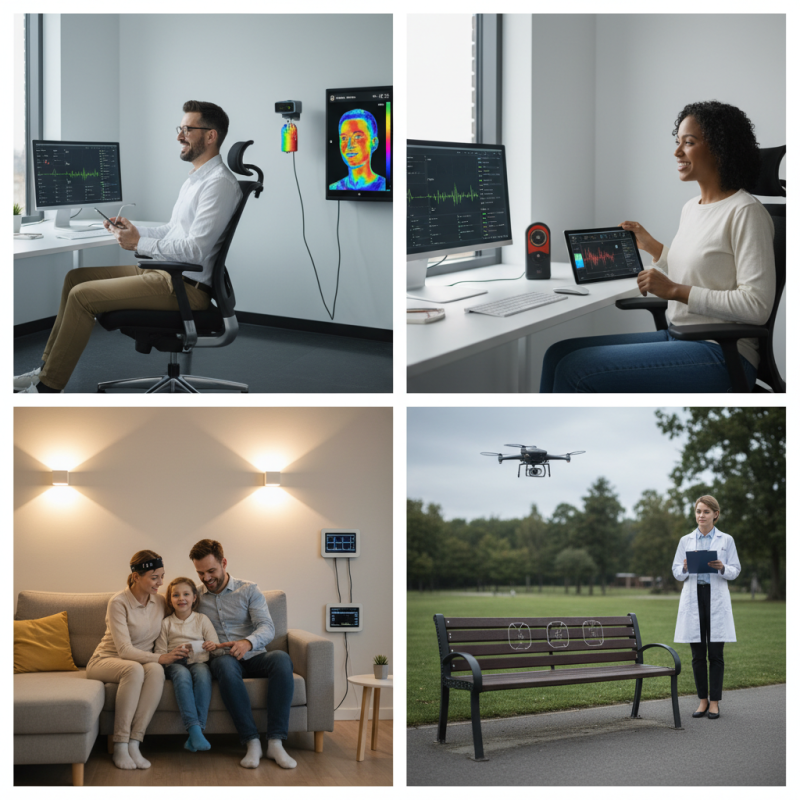
| Physiological Measures | Tracking metrics like heart rate and temperature to gauge comfort. | Objective data, scientifically grounded. | Requires equipment, can be invasive. |
| Focus Groups | Group discussions to explore comfort experiences. | Rich discussions, varied perspectives. | Groupthink can skew results, logistical challenges. |
| User Testing | Real-life trials to understand comfort in context. | Hands-on experience, actionable insights. | Resource-intensive, can be difficult to manage. |
| Feedback Apps | Using mobile applications to gather comfort-related data regularly. | Real-time data, user-friendly. | Dependence on technology, possible low engagement. |
| Comfort Indexes | Creating scores based on various comfort criteria. | Easy to communicate results. | May oversimplify complex feelings. |
| Environmental Assessments | Evaluating the physical environment for comfort factors. | Objective measurements, comprehensive view. | Can be expensive, requires expertise. |
| Comfort Mapping | Visual representation of comfort levels across different areas. | Easy to visualize, helps in spatial analysis. | Can be subjective, depends on varied inputs. |

Measuring comfort levels effectively requires the right tools. Selecting appropriate measurement instruments is essential for accurate assessments. Some methods are based on subjective feedback, while others rely on objective data. Both approaches can provide valuable insights.
When choosing tools, consider surveys and questionnaires. These can capture personal experiences and feelings. They are easy to distribute but may lack depth. Open-ended questions can elicit richer responses, encouraging individuals to elaborate. Keep the questions straightforward. This will help gather clear information.
Observations can also be beneficial. This method allows direct assessment of behaviors and interactions. Note body language and facial expressions during different activities. This can reveal unspoken discomfort. Combining both subjective and objective methods often yields the best results.
Here’s a tip: invest time in analyzing the data. Look for patterns that may highlight consistent comfort issues. Reflect on unexpected findings. Sometimes, discomfort comes from overlooked elements. Engaging directly with individuals can uncover these subtleties. This approach creates a comprehensive understanding of comfort levels.
Surveys and questionnaires play a vital role in measuring comfort levels. They provide a structured way to gather quantitative data. When designed effectively, these tools can capture diverse perspectives and experiences. They allow participants to express their feelings in a clear format. This method can be tailored to various environments, like workplaces or public spaces.
The process often has its flaws. For instance, questions can be misleading or vague. Respondents may rush through, providing superficial answers. This weakens the reliability of the data. To address this, ensure questions are specific. Utilize a mix of open and closed-ended questions. This prompts deeper insights into comfort levels. Gathering rich qualitative data alongside numbers can enhance understanding.
Visual aids can improve engagement. A simple rating scale may not be enough. Including images or scenarios can make the survey relatable. Still, it’s crucial to consider cultural differences. Responses may vary greatly based on personal and social contexts. Continuous refinement of survey tools is necessary to ensure authenticity. Regular feedback from participants can guide adjustments to the questioning format.
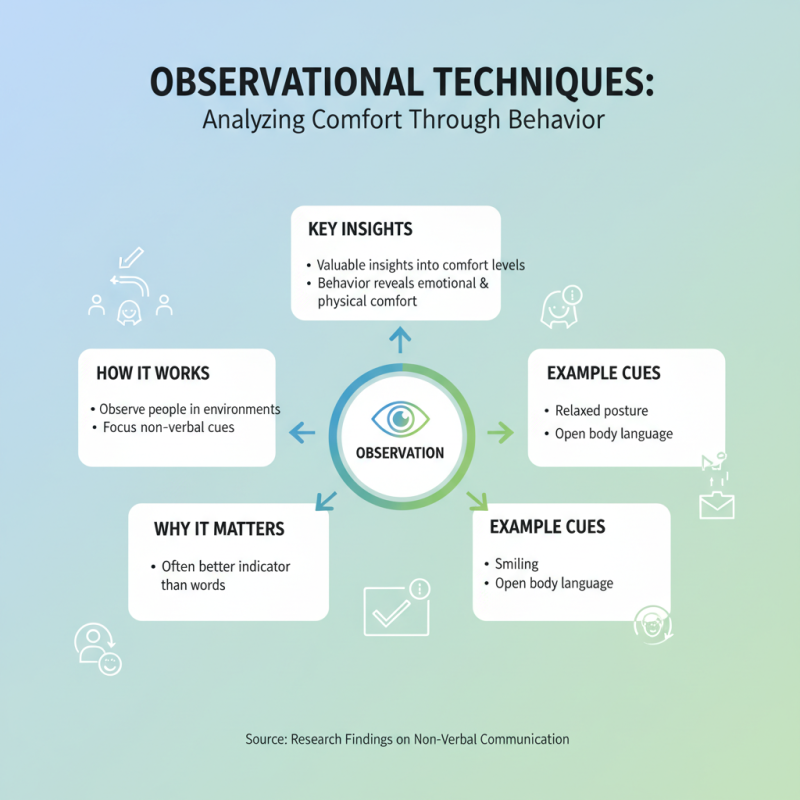
Observational techniques provide valuable insights into comfort levels. They involve watching how people behave in various environments. Behavior can reveal much about emotional and physical comfort. Research shows that non-verbal cues often indicate comfort better than words. For example, relaxed posture and smiling suggest a positive experience.
A study by the Journal of Environmental Psychology found that individuals display discomfort through fidgeting or avoiding eye contact. This subtle behavior can be more telling than direct feedback. Analyzing these cues helps identify areas needing improvement. Not every observation leads to clear conclusions. Comfort is subjective; it differs significantly among individuals. Some may prefer bright environments, while others feel uneasy in such settings.
Furthermore, capturing these behaviors requires time and focus. Continuous observation might lead to biases as researchers form assumptions. It's crucial to reflect on one's interpretations frequently. Taking notes on environmental factors can also enhance understanding. Comfort levels are complex and multifaceted. Observational techniques can provide a glimpse into this intricate landscape.
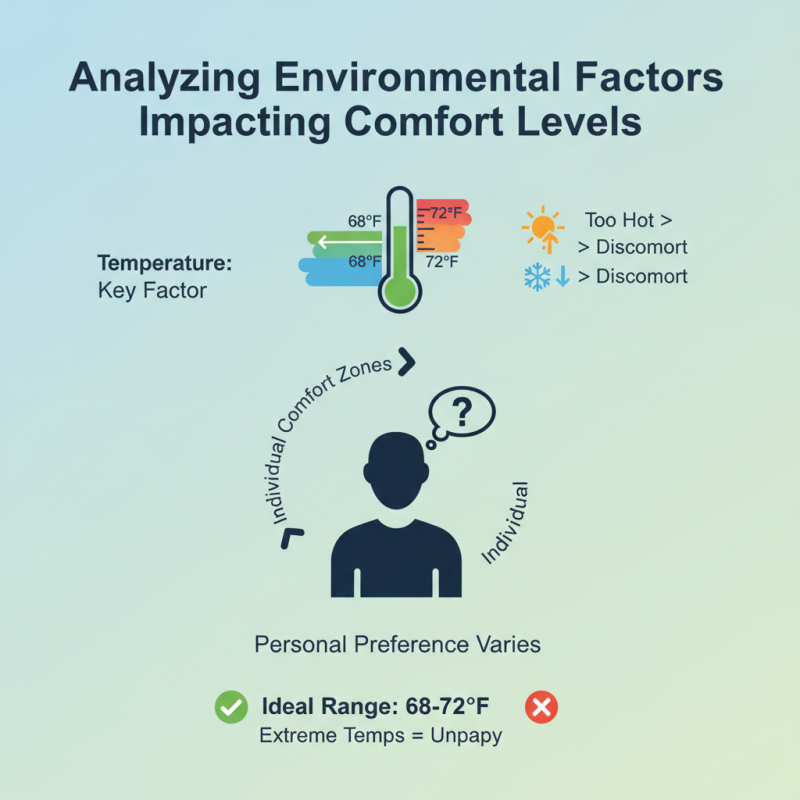
Comfort levels are significantly influenced by various environmental factors. Temperature plays a pivotal role. Too hot or too cold can quickly diminish comfort. Ideal room temperatures often range between 68°F and 72°F. Yet, personal preferences vary. Some may like it cooler, while others prefer warmth.
Humidity is another crucial aspect. High humidity can make a space feel stuffy and oppressive. Conversely, too little humidity might lead to dryness and discomfort. Air quality also matters. Pollutants, allergens, and odors can disrupt one’s sense of well-being. People often overlook these factors.
Lighting conditions can enhance or hinder comfort. Natural light has a positive effect. It can uplift spirits and boost productivity. Artificial lighting, if too harsh or dim, can cause strain. Noise levels are frequently ignored too. Loud environments can lead to stress. In contrast, soothing sounds can foster relaxation. It’s easy to overlook these elements, yet they profoundly impact our overall comfort.