How to Create an Artificial Sky: Techniques and Benefits Explained
Creating an "Artificial Sky" has become a revolutionary concept in architectural and environmental design, offering innovative solutions to enhance indoor environments and urban landscapes. Dr. Emily Harrington, a leading expert in atmospheric technologies, emphasizes the potential of artificial skies by stating, "An artificial sky can transform our perception of space, providing not just light but an experience that connects us to the natural world." This remarkable concept integrates various techniques to replicate natural daylight, color, and atmospheric conditions, thus contributing to the well-being and productivity of individuals in indoor settings.
The techniques for creating artificial skies range from advanced lighting systems to digital projections that simulate the dynamic qualities of the actual sky. Architects and designers are increasingly incorporating these technologies into their projects, creating spaces that mimic the serene nuances of nature while addressing the challenges posed by limited natural light. By exploring the different methods and the benefits of an artificial sky, we can better understand its impact on urban living and individual health, paving the way for a future where artificial and natural environments harmoniously coexist.
The benefits of artificial skies extend beyond aesthetic appeal, influencing psychological health and environmental sustainability. This artificial ambiance can reduce feelings of confinement often experienced in urban spaces, allowing inhabitants to enjoy a sense of openness and tranquility. As we delve deeper into the techniques and advantages, it becomes clear that the artificial sky is not just a design element but a significant advance in the way we interact with our surroundings.
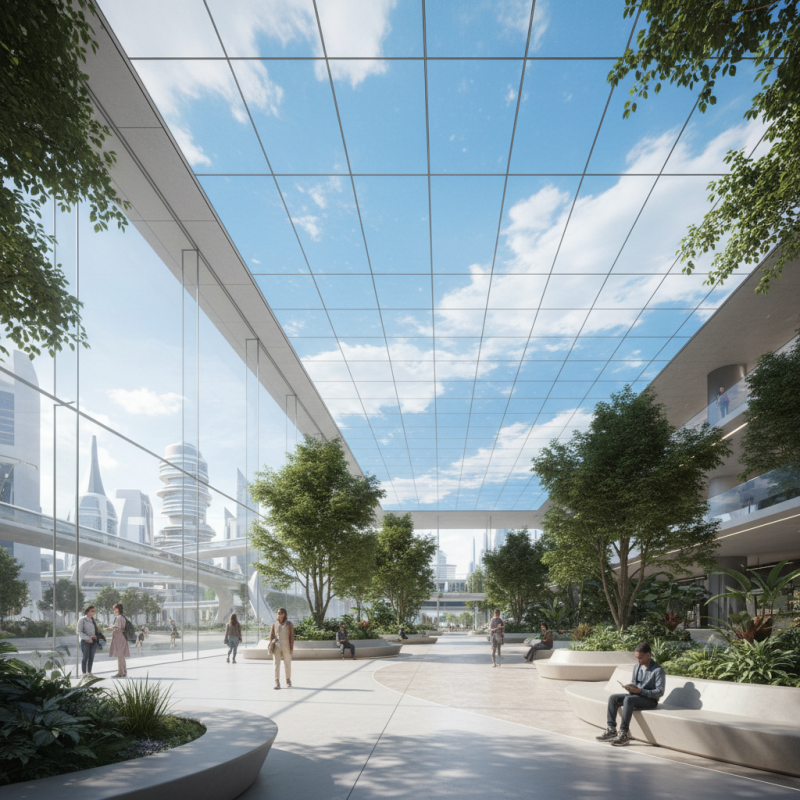
Understanding the Concept of Artificial Skies in Architectural Design
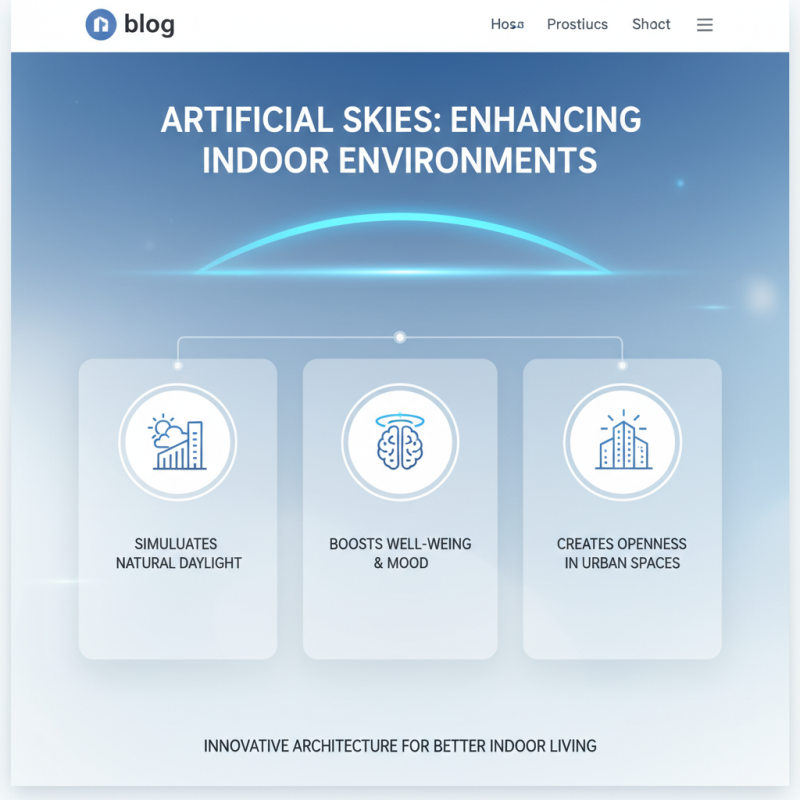
Artificial skies have emerged as a fascinating concept in architectural design, offering innovative solutions to enhance the visual experience of indoor environments. By simulating natural daylight and atmospheric conditions, architects can create immersive spaces that not only mimic the outdoors but also contribute to the psychological well-being of occupants. The incorporation of artificial skies can transform the ambiance of buildings, fostering a sense of openness and tranquility, particularly in urban settings where natural light is often limited.
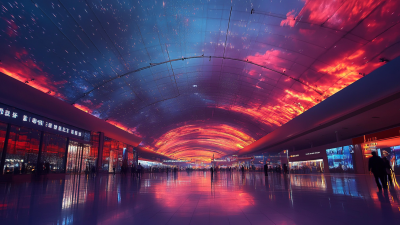
The techniques for creating artificial skies vary from advanced lighting systems to digital projections and interactive displays. Many designs utilize a combination of LED technologies and dynamic lighting to replicate the subtle changes of daylight throughout the day. This allows for the creation of an adaptable atmosphere that can shift from bright and energizing to soft and calming, depending on the needs of the users. Moreover, these simulated skies can incorporate elements like cloud formations or even starry nights, enriching the sensory experience within a space and enhancing overall comfort and productivity. As architects continue to explore these techniques, the possibilities for integrating artificial skies into various environments are becoming increasingly exciting and diverse.
Key Techniques for Creating Realistic Artificial Sky Environments
Creating realistic artificial sky environments involves a combination of advanced techniques and creative design. One of the key approaches is the use of advanced lighting systems that mimic natural sunlight and sky conditions. This can include dynamic color-changing LED lights that simulate the shifting hues of dawn, midday, and dusk, giving depth and realism to the artificial sky. Additionally, integrating projection technology can enhance the experience by displaying moving cloud patterns or celestial bodies, providing a dynamic backdrop that captivates viewers.
Another technique is the application of high-quality materials that replicate the visual properties of the atmosphere. This often includes translucent panels or fabrics that diffuse light, creating a soft gradient that resembles the sky. Additionally, the use of specialized digital displays or holography can create immersive environments that respond to viewer movement, making the artificial sky feel alive and interactive. Incorporating soundscapes, such as ambient nature sounds or wind effects, further enhances the illusion, providing a complete experience that transports individuals to an outdoor setting, regardless of their physical location.
Benefits of Artificial Skies: Enhancing Aesthetics and Well-Being
Artificial skies are rapidly gaining traction in various architectural and urban planning projects due to their significant impact on aesthetics and well-being.
Studies indicate that environments designed with artificial skies can enhance mood and productivity, creating spaces that provide a sensation of openness and connection to nature.
Research published in the Journal of Environmental Psychology revealed that natural light and sky-like environments can improve cognitive function by up to 20%, leading to increased creativity and focus.
By mimicking the dynamic qualities of a real sky, these installations not only elevate the visual appeal of a space but also contribute to the overall mental health of its occupants.
Moreover, the integration of artificial skies can address the common challenges posed by urban living, such as limited access to natural light.
According to a report from the International WELL Building Institute, environments that simulate natural conditions, including artificial horizons, can lower stress levels and increase overall happiness.
This is particularly beneficial in spaces like offices, schools, and healthcare facilities, where a positive atmosphere can directly influence performance and recovery rates.
The ability to simulate various weather conditions and times of day allows for a tailored approach to meet the psychological needs of individuals, making artificial skies a revolutionary element in modern design that champions both aesthetics and well-being.
Technological Innovations in Artificial Sky Systems: A Case Study
Artificial sky systems are rapidly transforming the architectural and environmental landscapes, thanks to significant technological innovations. These systems utilize advanced LED and projection technologies to create dynamic and customizable sky simulations, enhancing the aesthetic and psychological aspects of enclosed spaces. According to a report by Grand View Research, the global market for artificial lighting systems, including those that simulate natural skies, is projected to reach $75 billion by 2025, indicating a growing interest in creating immersive environments.
A notable case study highlights the application of artificial sky systems in urban architecture. Large commercial spaces, such as shopping centers and office buildings, have adopted these systems to combat the adverse effects of limited natural light. Research conducted by the International Indoor Environment Quality Research Group reveals that well-lit environments can increase productivity by up to 20%. Furthermore, the integration of artificial sky technologies can enhance mood and reduce stress for occupants, leading to a more pleasant experience. By simulating sunrise and sunset cycles, these systems not only elevate the emotional ambiance but also contribute to energy efficiency, as they can adjust to provide optimal lighting while reducing reliance on artificial sources.
The technological advancements in artificial sky systems are no longer just conceptual; they are being implemented with real-world benefits. Enhanced color rendering and adaptive brightness capabilities allow for greater customization based on the needs of the space. Industry experts predict that as these technologies become more refined, their integration will be pivotal in promoting sustainability and well-being in urban environments, reflecting a broader commitment to enhancing quality of life through design innovation.
Industry Standards and Materials for Effective Artificial Sky Installations
Creating an effective artificial sky requires understanding the industry standards and selecting the right materials that will ensure the desired visual and functional outcomes. According to a recent report by the International Council of Artificial Lighting, utilizing high-quality materials can enhance both the aesthetic appeal and the long-term durability of installations. Typically, materials such as acrylics and specialized polycarbonate sheets are favored for their diffusive properties, which are crucial for mimicking natural light conditions. Moreover, using LED lighting technology has been noted to provide energy efficiency while maintaining the color temperature needed for realistic daylight simulation, achieving up to 80% energy savings compared to traditional lighting options.
When embarking on an artificial sky project, it’s essential to follow some key tips to ensure success. First, assess the specific lighting needs of the space, taking into consideration factors such as the size of the area and the existing natural light. This analysis will help in selecting the appropriate brightness levels and color renditions. Additionally, don’t overlook the importance of structural support; ensure that the installation can handle the weight and configuration of the materials used. Lastly, regular maintenance checks should be scheduled to replace any aging components to maintain optimal performance and appearance.
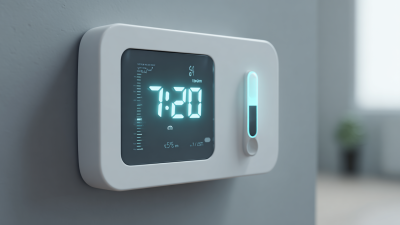
To maximize the benefits of an artificial sky, consider integrating dynamic lighting control systems that can adjust according to the time of day or activity in the space. This not only enhances the ambiance but supports the well-being of occupants. Furthermore, collaborating with experienced professionals in the industry can provide insights into innovative techniques and help achieve a design that aligns with your vision while adhering to industry best practices.

 Sensor
 Measuring Instruments
 Measurement Systems
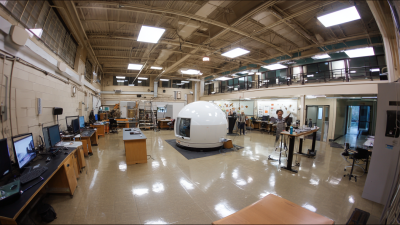
 Architectural Physics Laboratory