Choosing the right heat flux sensors is a crucial step for various applications. Dr. Jane Smith, an expert in thermal management technologies, once noted, “Selecting the appropriate sensors can dramatically influence the accuracy of your data.” This insight highlights the significance of understanding sensor specifications and their functionalities.
Heat flux sensors measure how much heat passes through a surface. They come in different types, each suited for specific situations. Knowing the right type and its capabilities is essential. For instance, some sensors excel in high-temperature environments while others are ideal for precise, low-heat applications.
When evaluating heat flux sensors, consider the characteristics like response time and sensitivity. These features can affect your project's overall reliability. A poor choice might lead to flawed data and costly errors. Strive for sensors that match your needs while remaining aware of their limitations. Ultimately, making an informed decision will enhance your project's effectiveness and accuracy.
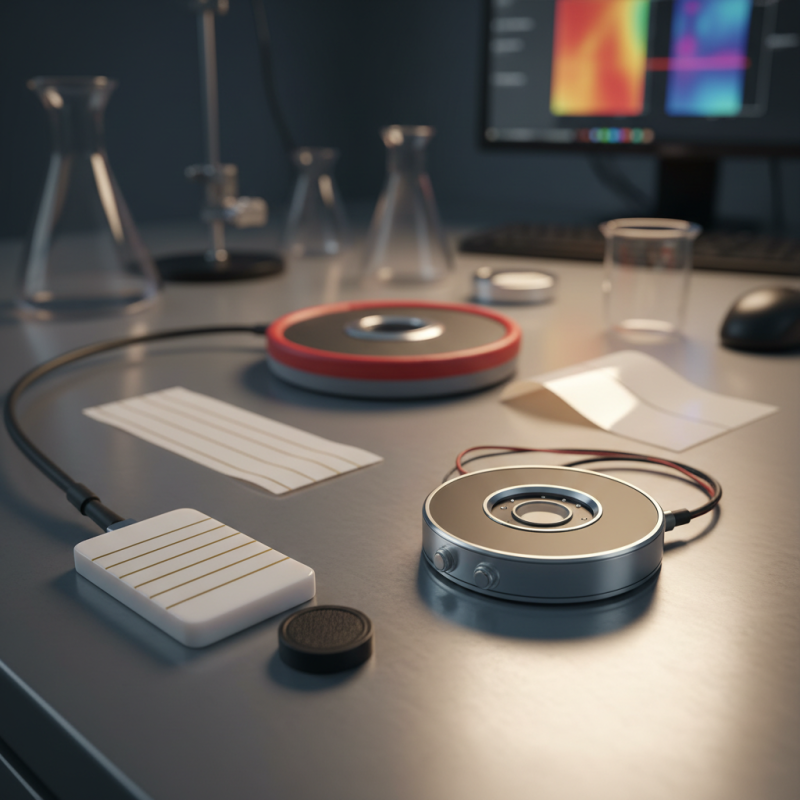
Heat flux sensors play a crucial role in various applications, including thermal management and energy efficiency. Understanding their types and principles of operation is essential for selecting the right sensor. The most common types include thermopiles, thin-film sensors, and heat-flux transducers. Each type operates on different principles, such as thermoelectric effects or conductive heat transfer mechanisms.
Thermopile sensors consist of multiple thermocouples. They generate a voltage proportional to the temperature difference they detect. Thin-film sensors utilize a temperature-sensitive material that responds to heat, providing accurate readings. Heat-flux transducers often use a combination of sensors, allowing for higher precision in measuring heat transfer rates.
Choosing the right sensor is not always straightforward. Factors like response time, thermal resistance, and installation method must be considered. Misestimating any of these aspects could lead to inaccurate readings and poor application performance. Ultimately, understanding the nuances of each sensor type will guide effective decision-making in heat flux measurement.
| Sensor Type | Operating Principle | Typical Applications | Advantages | Limitations |
|---|---|---|---|---|
| Thin Film Sensors | Uses a thin film thermoelement to measure temperature difference. | Building insulation, HVAC systems. | Compact size, quick response time. | Limited to low heat flux measurements. |
| Foam Sensors | Employs a thermocouple embedded in insulating foam. | Building envelopes, energy audits. | Good insulation properties, easy to install. | Bulky compared to other types. |
| Capacitance Sensors | Measures heat flux by detecting changes in capacitance due to temperature gradient. | Industrial heat processes, research labs. | High sensitivity, suitable for dynamic measurements. | Complex calibration may be required. |
| Radiation Sensors | Detects infrared radiation emitted from a surface. | Energy loss analysis, thermal imaging. | Non-contact measurement, wide range of applications. | Sensitivity to surrounding environmental conditions. |
| Thermopile Sensors | Consists of multiple thermocouples connected to measure temperature difference. | Medical devices, food processing. | Robust design, good for a variety of environments. | Response time may be slower than other types. |
When choosing heat flux sensors, several key parameters warrant careful consideration. First, the sensitivity of the sensor plays a crucial role. It's essential to select a sensor that can accurately measure the heat transfer in your specific application. A sensor with higher sensitivity will detect smaller changes in heat flux, which is vital for precise measurements.
Another important factor is the thermal response time. Sensors that respond quickly to temperature changes are ideal for dynamic systems. This ensures timely data collection, which can be critical in processes like energy management or thermal efficiency studies. Remember that some sensors may take longer to stabilize. This lag can lead to discrepancies in your results if not adequately accounted for.
Additionally, consider the environmental factors where the sensor will be used. Some sensors are more resilient to harsh conditions than others. For example, humidity, pressure, and temperature extremes can affect sensor performance. It's worth evaluating these conditions to ensure reliability. Each application brings unique challenges, and it's essential to anticipate potential pitfalls in sensor selection.
Selecting the right heat flux sensors requires careful consideration of accuracy and calibration standards. These factors can significantly affect measurement reliability.
Accurate sensors provide precise heat flux readings. Calibration ensures these readings align with established standards. Without proper calibration, even the best sensors may produce misleading data.
When choosing sensors, assess accuracy specifications. Look for detailed reports on performance metrics. Many manufacturers provide documentation on calibration methods. This information can be invaluable. However, it’s not always easy to verify their claims.
It’s essential to consult independent studies. Peer-reviewed research can expose potential discrepancies in sensor accuracy.
Regular recalibration is crucial. Environmental changes can impact sensor performance over time. Understand the specific calibration intervals recommended for your sensors. This practice can prevent long-term errors in measurements.
Failure to maintain calibration might result in significant data inaccuracies. Addressing these challenges is necessary for reliable applications. Make informed decisions on the sensors you choose.
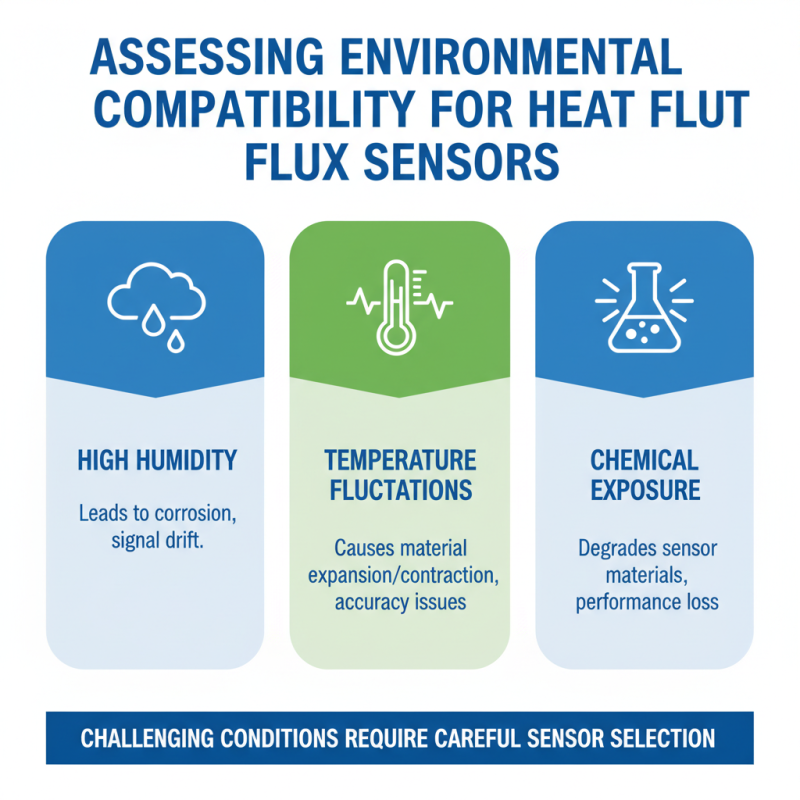
Choosing the right heat flux sensors involves thorough consideration of environmental compatibility. These sensors often operate in challenging conditions. High humidity, temperature fluctuations, and chemical exposure can affect their performance.
According to a recent industry report, nearly 30% of sensor failures are attributed to unsuitable environmental conditions. For instance, moisture can cause corrosion, while high temperatures may result in inaccurate readings. It’s crucial for applications in heating and cooling systems, industrial processes, and renewable energy management to select sensors that withstand these variables.
Materials used in sensor construction play a vital role here. Sensors must be made from corrosion-resistant materials and should have protective coatings. It is also important to consider factors like electromagnetic interference, which can disrupt sensor functionality. Environmental assessments can identify specific conditions that might impair sensor accuracy. The right choice can enhance both durability and data integrity, contributing to overall system effectiveness.
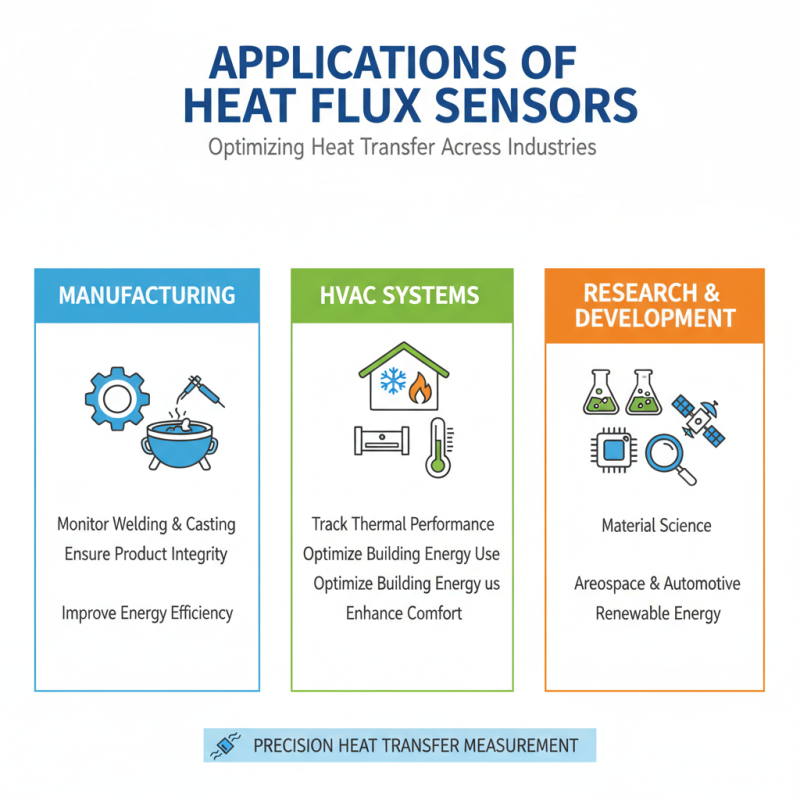
Heat flux sensors are pivotal in various industries, offering precise measurements of heat transfer. In manufacturing, they monitor heat in processes like welding and casting. This ensures product integrity and energy efficiency. Such sensors can also track thermal performance in HVAC systems, helping optimize energy use in buildings.
In the realm of energy, these sensors provide crucial data for power generation plants. They assess heat loss in systems, contributing to better thermal efficiency. In the automotive industry, they aid in developing energy-efficient vehicles by analyzing heat management in engines. This leads to improved performance and reduced emissions.
Even in research settings, heat flux sensors play a vital role. Scientists utilize them to study thermal dynamics in materials. They offer insights that drive innovation. However, choosing the right sensor often poses challenges due to varying specifications. It requires careful consideration of application needs, environment, and desired accuracy. Failure to account for these factors can lead to suboptimal results.