How to Choose the Best Humidity Calibration Kit?
Choosing the right Humidity Calibration Kit is essential for accuracy. This decision impacts various industries, from manufacturing to laboratories. A suitable kit ensures your humidity measurements are correct and reliable.
When selecting a Humidity Calibration Kit, consider several factors. First, evaluate the range of humidity levels it covers. Different applications may need different levels of precision. Pay attention to the kit's specifications and user reviews. These details provide insight into its real-world performance.
It's essential to reflect on individual needs. Not all kits suit every application. Some may be too complex or not precise enough. Additionally, the calibration frequency must match your operational needs. Investing in the right kit is critical for maintaining quality standards.
Understanding Humidity Calibration: Importance and Applications
Humidity calibration is crucial for many industries. Accurate humidity measurement is vital. It impacts food storage, pharmaceutical production, and environmental monitoring. Incorrect readings can lead to spoilage or equipment failure. This underscores the importance of a reliable humidity calibration kit.
Understanding the applications of humidity calibration is key. In agricultural settings, humidity affects crop growth. In museums, it helps preserve artifacts. Calibration kits ensure that instruments provide precise data. However, not all calibration kits are created equal. Users may find some difficult to operate. It’s essential to assess your needs before making a choice.
Maintenance is another area to consider. Regular calibration is often neglected. This can lead to inaccurate measurements over time. It’s a simple step that many overlook. Investing time in proper calibration practices can save resources and prevent costly mistakes. Reflection on these practices enhances reliability and efficiency in various operations.
Key Features to Look for in a Humidity Calibration Kit
When selecting a humidity calibration kit, precision is paramount. Look for kits that offer a calibration accuracy of ±2% relative humidity or better. Studies from the National Institute of Standards and Technology indicate that even minor errors in calibration can lead to significant discrepancies in readings. This highlights the necessity of reliable devices.
Another crucial aspect is the range of humidity levels the kit can measure. A good kit should cover a wide range, ideally from 0% to 100% RH. Most industrial applications require readings across this spectrum. Furthermore, ensure that the kit includes features for maintaining consistent temperature. Fluctuating temperatures can distort humidity readings, leading to unreliable results.
Consider ease of use and portability as well. Kits that are lightweight and easy to operate allow for flexibility in various environments. Some options may provide instant readings, while others could take time for stabilization. A recent report by the American Society for Testing and Materials pointed out that convenience often outweighs minor calibration inaccuracies in field settings. Remember that the best kit fits your specific needs, whether for laboratory or fieldwork.
Types of Humidity Calibration Kits Available on the Market
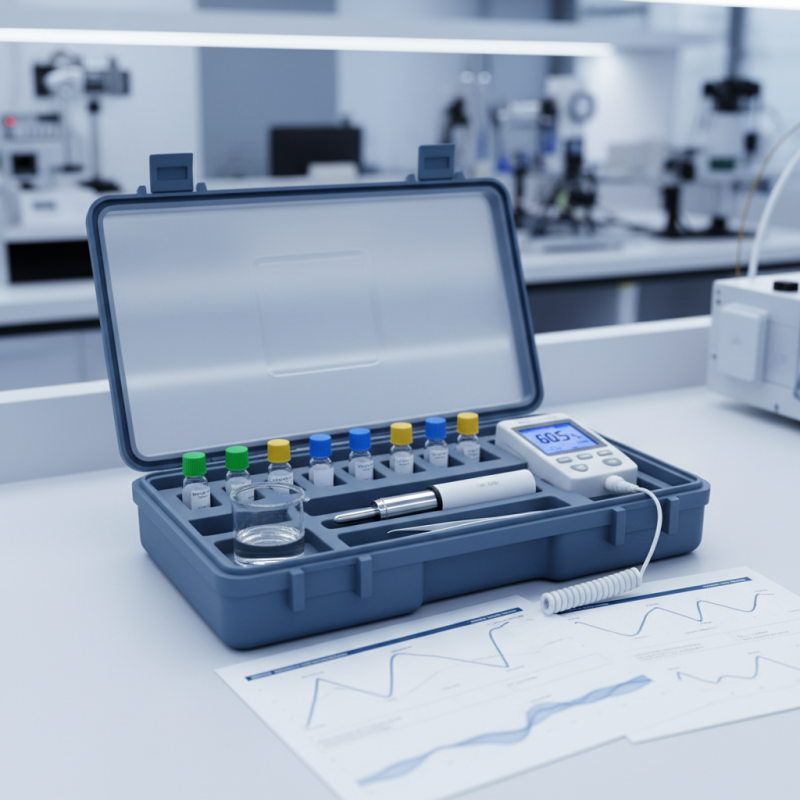
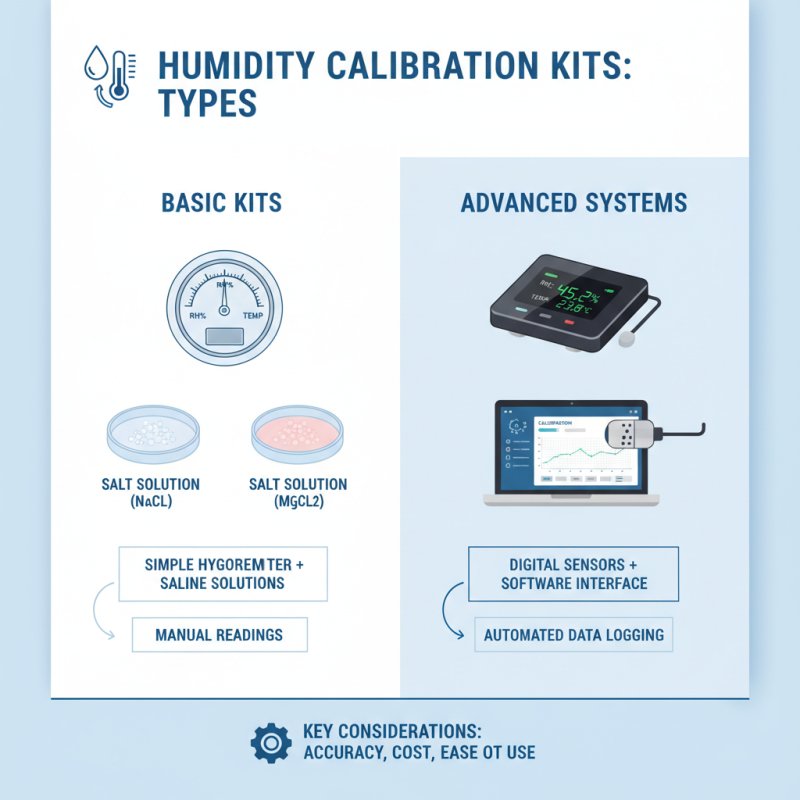
When selecting a humidity calibration kit, understanding the types available is crucial. There are several options on the market today. These kits typically range from basic to advanced systems. Basic kits may include a simple hygrometer and salt solutions, while advanced systems often feature digital sensors and comprehensive software.
According to a industry report, around 65% of users prefer digital calibration kits for their precision. These kits often provide better accuracy, with deviations as low as ±1% Relative Humidity (RH). However, many users struggle with software usability. A poorly designed interface can lead to incorrect calibration results, highlighting the importance of user-friendly designs.
Another option is the portable calibration kits, which are favored for fieldwork. The compact size makes them easy to transport. Yet, their accuracy can sometimes be compromised by environmental factors. Studies reveal that 40% of portable kits may show variations in readings due to temperature changes. Therefore, it's essential to weigh the pros and cons of each type carefully before deciding.
How to Evaluate the Accuracy and Reliability of Calibration Kits
When evaluating calibration kits, accuracy is crucial. A good kit should provide reliable
humidity readings. Start by checking the calibration range. Kits that span a broader range offer more versatility.
Look for specifications that indicate low measurement uncertainty. This reflects the precision of the readings.
Consider the references used for calibration. Reliable kits often use trusted standards. However, not all kits disclose their reference points.
This lack of transparency can be concerning. It's essential to understand how a kit performs in real-world conditions. Some kits may provide
inconsistent results over time.
Pay attention to user reviews and expert evaluations. They often highlight the
strengths and weaknesses of different kits. If users report drifting values after a few uses, that’s a red flag.
Calibration should be straightforward and repeatable, not a trial-and-error process. Look for features that support easy
recalibration, such as user-friendly interfaces. Ultimately, make sure the kit suits your specific needs while ensuring
quality and dependability.
Steps for Proper Use and Maintenance of Humidity Calibration Kits
Proper maintenance of a humidity calibration kit is essential for accurate measurements. Regular checks can ensure reliability. Humidity levels drastically affect various scientific experiments. A report from the National Institute of Standards and Technology indicates that even small deviations in humidity can lead to significant errors in experiment outcomes.
Cleaning and storing the kit correctly is vital. After each use, ensure sensors are cleaned with appropriate solutions. Dust and residues can alter readings. Store the kit in a controlled environment, avoiding extreme temperatures. These steps help maintain calibration accuracy. A study by the International Society of Automation found that 25% of calibration errors arise from poor storage conditions.
Regular calibration is equally important. It’s advisable to recalibrate every six months or after any significant environmental change. Some users forget this step, leading to degraded performance. Tracking usage and creating a maintenance schedule can improve accuracy. Humidity calibration is often overlooked, yet it’s crucial for precision in many fields.

 Sensor
 Measuring Instruments
 Measurement Systems
 Architectural Physics Laboratory