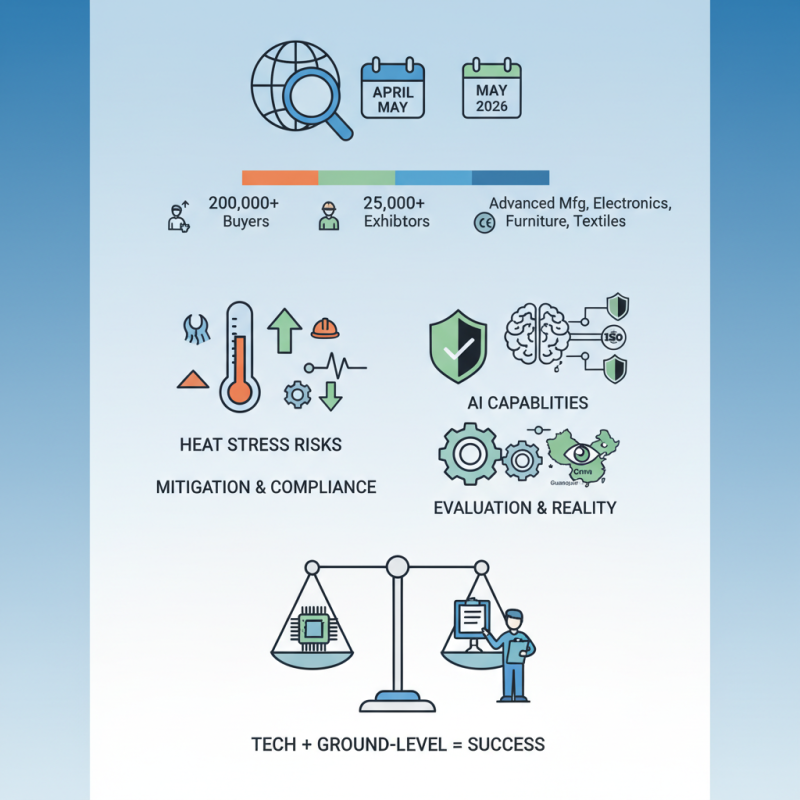
Choosing the right Heat Stress Monitors is essential for success at the 139th Canton Fair. This major event is set for April and May 2026, covering various industries. The Fair expects more than 200,000 buyers and 25,000 exhibitors in advanced manufacturing, electronics, furniture, and textiles.
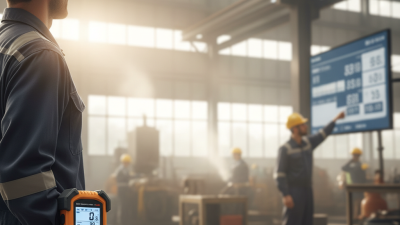
Heat stress can adversely affect workers' health and productivity. According to industry reports, heat-related illnesses remain a significant concern in workplaces. Businesses face increased liability if adequate monitoring is not in place. Selecting quality Heat Stress Monitors helps mitigate risks. It ensures compliance with safety regulations.
With the introduction of AI capabilities, buyers can easily find suppliers that meet specific standards, like ISO and CE certifications. However, relying solely on technology may overlook nuances. Businesses must continually evaluate monitor effectiveness. Understanding environmental conditions at the Fair is critical to making informed choices. Balancing advanced tech with ground-level realities could define success for many.
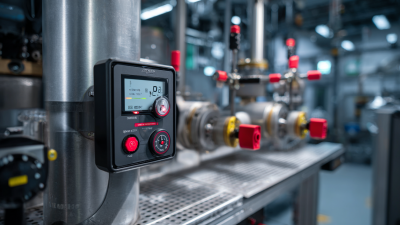
Heat stress monitors play a crucial role in ensuring the well-being of workers, especially in environments with extreme temperatures. These devices measure humidity, temperature, and other factors that contribute to heat stress. According to a study by the American Conference of Governmental Industrial Hygienists, heat stress is responsible for thousands of illnesses each year, leading to significant costs for employers.
Choosing the right heat stress monitor involves understanding their importance in various settings. For instance, during the 139th Canton Fair, buyers should consider monitors that offer real-time data. Portable devices that alert users when limits are breached can enhance safety. Research shows that workplaces that implement heat stress management strategies can reduce illnesses by over 30%.
However, selecting the best monitor can be overwhelming. Not all monitors are user-friendly or accurate. Some may not perform well in high-humidity conditions. It's essential to evaluate the monitor's specifications and reliability. Paying attention to reviews and feedback can also help buyers make informed choices at the fair.
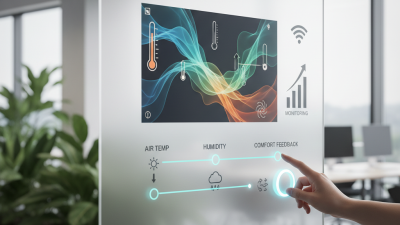
When selecting heat stress monitors for the 139th Canton Fair, it's crucial to focus on specific features. The first aspect to consider is accuracy. Studies indicate that accurate readings can prevent heat-related illnesses. Variations as small as one degree can impact workers. High-quality monitors provide real-time data. The ability to track temperature and humidity specifically is essential for effective monitoring.
Ease of use also plays a significant role. Complicated devices may intimidate users or lead to errors. Look for monitors with clear displays and simple interfaces. Portability cannot be overlooked. Lightweight designs with good battery life ensure they can be moved easily. Many professionals prefer models that offer both visual and auditory alerts, making it easier to respond quickly.
Lastly, data logging capabilities are valuable. Monitors that record and analyze data make it easier to spot trends. Reports from the Occupational Safety and Health Administration show that heat stress incidents can rise during high temperatures. Access to historical data can aid in developing better safety measures. Consider these features holistically. A monitor that lacks even one element may not fully meet your needs.
Heat stress monitors are essential tools for maintaining workplace safety, especially in crowded trade events like the 139th Canton Fair. Different types of monitors vary in how they measure temperature and humidity, two key factors in assessing heat stress risks. For example, Wet Bulb Globe Temperature (WBGT) devices offer a comprehensive approach by combining multiple environmental readings. However, they can be bulky and less practical for field use. On the other hand, simple temperature-only monitors are lightweight but might miss critical humidity factors that contribute to heat strain. Industry reports suggest that over 40% of heat-related incidents occur when humidity levels are ignored, highlighting this gap.
Some monitors use wearable technology to track core body temperature and heart rate, providing personalized data. This real-time monitoring helps spot early heat exhaustion signs. Yet, accuracy can vary widely between devices, and sweat or movement can cause errors. Environmental monitors often require calibration, which is sometimes overlooked. According to a recent occupational health survey, improper calibration leads to 15% inaccurate readings, putting workers at risk. Choosing a monitor without understanding these limitations can be problematic.
Cost also plays a role. More advanced devices usually cost more and need specialized training for proper use. Simpler models are affordable but might force buyers to compromise safety for budget. Fair buyers should consider the environment they work in—outdoor spaces with direct sunlight need different sensors compared to indoor, air-conditioned booths. Ignoring these details can make a purchase ineffective. Heat stress monitoring is complicated, and no single device can cover every scenario perfectly. Thoughtful consideration of use cases and device limitations remains crucial.
| Monitor Type | Measurement Parameters | Accuracy | Response Time | Portability | Data Logging | Typical Use Case | Cost (USD) |
|---|---|---|---|---|---|---|---|
| WBGT (Wet Bulb Globe Temperature) Monitor | Air temp, Humidity, Globe temp, Wet bulb | ±0.5°C | < 10 seconds | Portable handheld | Optional, onboard memory or SD card | Outdoor and indoor heat stress screening | $150 - $500 |
| Heat Index Monitor | Air temp, Relative Humidity | ±1.0°C | < 5 seconds | Small handheld or clip-on | Typically no data logging | Quick heat stress estimate for workers | $50 - $200 |
| Core Body Temperature Sensors | Internal temperature (ingestible/capsule), Skin temp | ±0.1°C | Real-time continuous | Wearable / ingestible | Continuous data logging via app or recorder | Individual monitoring under extreme conditions | $300 - $1000 |
| Environmental Heat Stress Stations | Air temp, Humidity, Wind speed, Solar radiation | ±0.3°C | Continuous monitoring | Stationary units, some portable options | Robust data logging with cloud sync | Workplace-wide monitoring for safety management | $1000 - $3000 |
| Smartphone Heat Stress Apps with Sensors | Temp, Humidity via connected external sensors | Varies by sensor ±0.5°C to 1.5°C | Depends on sensor, usually a few seconds | Highly portable, phone-based | App-based data logging and reports | Casual use, buyer convenience, basic screening | $0 - $150 (app + sensor) |
When evaluating heat stress monitors for the 139th Canton Fair, accuracy and reliability are crucial. Buyers need devices that can consistently measure temperature and humidity. Accurate readings help prevent health risks during the bustling event. Look for monitors that provide real-time data. They should alert users about dangerous conditions promptly. Simple designs can often provide the best user experience.
Apart from accuracy, consider how the monitors perform in varied conditions. Some devices might show discrepancies when exposed to direct sunlight or different humidity levels. It’s important to test devices under real-life conditions before the fair. This aspect often gets overlooked. Pay attention to battery life as well. Monitors with short lifespans can become unreliable during long hours at the fair.
Another common issue is ease of use. Some monitors feature complicated interfaces. Users might struggle to get instant readings. Choose products that allow quick and straightforward operation. It’s worth reflecting on personal experiences. Have devices met your expectations in the past? The right choice makes a significant difference during critical moments. Be aware of potential shortcomings. Taking the time to assess these factors will ensure you find a dependable monitor for the event.
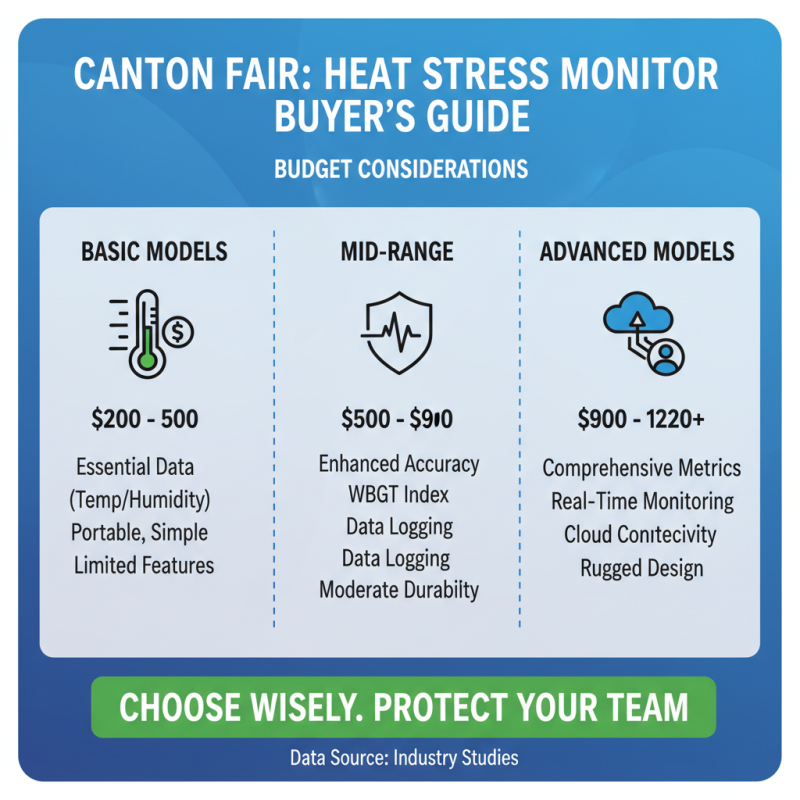
Choosing the right heat stress monitors for the Canton Fair can be challenging. Budget considerations are crucial. According to industry studies, effective monitors can range from $200 to $1,200. This price variance often reflects features, accuracy, and durability. A limited budget may restrict options, but basic models can still provide vital data.
Tips:
Assess your specific needs. Monitor features vary. Prioritize essential functions like temperature and humidity readings. Compare prices and read reviews. Choose based on cost-effectiveness, not just brand reputation.
Many businesses may overlook the importance of proper heat stress monitoring. Skimping on quality could lead to employee health risks. In extreme heat, productivity drops by up to 30%. Investing in a reliable monitor pays off in enhanced safety and performance. Remember, even a basic monitor can prevent heat-related incidents. Ultimately, balancing budget and quality is key.