Why Choose Air Velocity Transmitters for Your Industry Needs?
In today's industrial landscape, efficient air management is crucial. Air Velocity Transmitters play a vital role in this ecosystem. According to a recent report by the International Society of Automation, precise airflow measurement can improve system efficiency by up to 30%. This significant enhancement can lead to considerable cost savings in energy consumption and system maintenance.
Dr. Emily Carter, a leading expert in fluid dynamics, notes, "The right air velocity measurement tools can transform operational performance." Her insights underscore the importance of choosing appropriate sensors. Many industries, including HVAC and pharmaceuticals, rely heavily on accurate airflow data to ensure compliance and safety standards.
Despite technological advancements, some organizations still overlook the importance of air velocity measurement. Implementing Air Velocity Transmitters not only enhances performance but also provides real-time data for critical decision-making. However, organizations must choose reliable models to avoid costly errors. Investing in quality sensors is not just a trend; it's a necessity for future efficiency.

Understanding Air Velocity Transmitters and Their Functionality
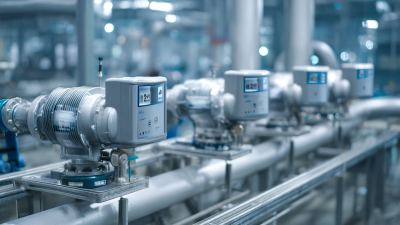
Air velocity transmitters play a crucial role in various industries. These devices measure the speed of air flow, ensuring optimal performance in ventilation systems and climate controls. According to the Environmental Protection Agency, proper air flow can improve indoor air quality and enhance energy efficiency by up to 30%. This impacts both cost savings and employee health.
Understanding the functionality of air velocity transmitters is essential for industries such as manufacturing, HVAC, and clean rooms. These transmitters provide real-time data on air movement, helping to maintain safe working environments. They can detect anomalies that may lead to system failures. A report by the American Society of Heating, Refrigerating and Air-Conditioning Engineers highlights that 25% of energy used in commercial buildings is wasted due to inefficient air flow.
However, precise calibration is necessary for accurate readings. Poorly calibrated transmitters can lead to data inconsistencies. Industries often overlook this aspect, assuming all devices are inherently accurate. Regular maintenance and recalibration are essential to ensure reliability in monitoring air velocity. Despite advancements in technology, reliance on outdated equipment remains a challenge. Addressing these gaps can significantly enhance operational efficiency and environmental compliance.
Key Applications of Air Velocity Transmitters in Various Industries
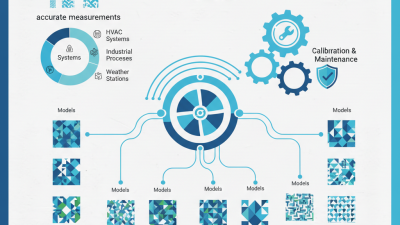
Air velocity transmitters play a crucial role in various industries by accurately measuring the flow of air. In HVAC systems, they ensure optimal air distribution, enhancing energy efficiency and indoor air quality. Proper measurements prevent the risk of overloading systems, which can lead to failures or excessive energy consumption.
In the manufacturing sector, air velocity transmitters monitor air movement to ensure safety and adherence to environmental standards. They help detect potential hazards by identifying inadequate ventilation. These transmitters also ensure that processes requiring precise airflow, such as in cleanrooms or laboratories, are maintained consistently.
Within the agricultural industry, air velocity transmitters aid in climate control. They help farmers monitor ventilation in greenhouses, which is essential for plant growth and health. This technology can help avoid situations where plants suffer from insufficient or excessive airflow, leading to potential losses. Real-time data can be invaluable, though relying solely on technology can be risky if the maintenance of instruments is neglected.
Key Applications of Air Velocity Transmitters in Various Industries
Benefits of Using Air Velocity Transmitters for Process Optimization
Air velocity transmitters play a crucial role in process optimization across various industries. They offer precise measurements that help in maintaining optimal air flow. Accurate readings are vital in environments like clean rooms, where controlled conditions are essential. A study by the American Society of Heating, Refrigerating and Air-Conditioning Engineers (ASHRAE) indicates that improper air flow can lead to energy losses of up to 30%. This highlights the importance of reliable air velocity measurement.
Investing in air velocity transmitters can lead to significant operational improvements. For instance, in HVAC systems, effectively measuring air flow can enhance system efficiency by 15-20%. Too often, companies rely on outdated technology, leading to incorrect assessments of air flow rates. This can result in excess energy consumption. Moreover, calibration issues can plague older devices, potentially leading to inaccuracies. Regular monitoring with updated transmitters ensures compliance with industry standards and enhances safety.
Furthermore, data collected by modern transmitters will allow for real-time adjustments. This adaptability is crucial for processes that require stringent control over air conditions. According to a report from the International Energy Agency (IEA), optimized air flow management can reduce greenhouse gas emissions by up to 10%. By integrating these devices, industries not only boost efficiency but also contribute to sustainability goals.
Industry Standards and Regulations Governing Air Velocity Measurements
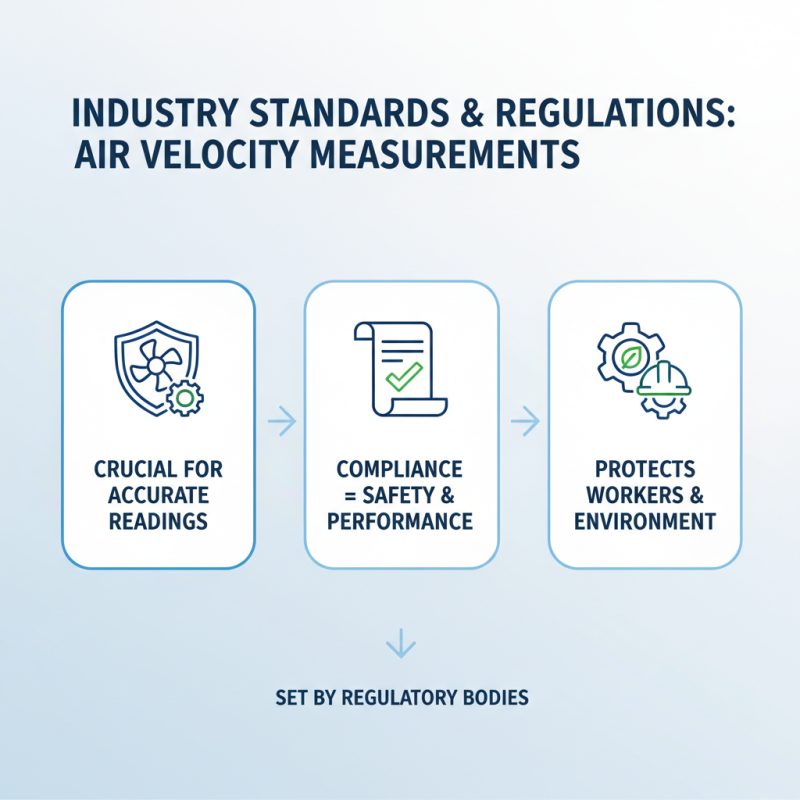
Air velocity measurements play a crucial role in various industries. Compliance with industry standards and regulations is essential for accurate readings. These standards ensure that measurements meet safety and performance criteria. Regulatory bodies often set these benchmarks to protect both workers and the environment.
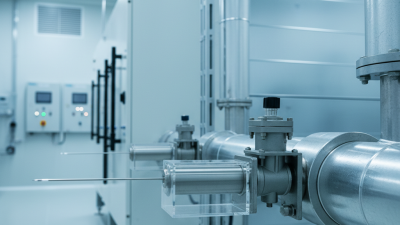
Different industries, such as HVAC, pharmaceuticals, and manufacturing, have specific regulations governing air measurements. For example, in clean room settings, precise air velocity is vital to maintain product integrity. Non-compliance can lead to severe consequences, including product recalls or safety violations.
Tip: Regular calibration of air velocity transmitters can enhance measurement accuracy.
Understanding these regulations can be challenging. Many professionals may overlook subtle nuances in the standards. This oversight can lead to measurement errors or equipment failures. Consulting industry guidelines regularly helps in staying informed.
Tip: Document your measurements and calibrations diligently to ensure accountability.
Awareness of local and national regulations is crucial. Each region may have different requirements, which can complicate compliance. Keeping a checklist of these requirements can simplify the process and help avoid penalties.
Tip: Engage with experts in the field for insights on best practices.
Choosing the Right Air Velocity Transmitter for Specific Industrial Needs
When selecting an air velocity transmitter, industrial needs vary widely. Different applications have specific requirements. It is key to understand the environment before making a decision. For example, high humidity areas may require transmitters designed for moisture resistance. The right choice can enhance efficiency and safety.
Accuracy is crucial in many industries, especially in HVAC and manufacturing. In these sectors, even a small error can lead to inefficiency. Transmitters with high precision sensors are often more reliable. Consider also factors like installation ease and maintenance needs. An accessible design can reduce downtime and labor costs.
Further, assess the communication options available. Some industries need real-time data for critical operations. Protocols vary, and compatibility is essential for seamless integration. Manufacturers may overlook this aspect, leading to costly delays. Choosing wisely ensures your system continues to run smoothly and effectively.
Why Choose Air Velocity Transmitters for Your Industry Needs?
| Application |
Measurement Range |
Accuracy |
Output Signal |
Environmental Conditions |
| HVAC Systems |
0-20 m/s |
±1% |
4-20 mA |
-20 to 60°C, 0-100% RH |
| Clean Rooms |
0-15 m/s |
±0.5% |
0-5V |
-10 to 50°C, Cleanroom Class |
| Industrial Ventilation |
0-25 m/s |
±2% |
RS232/RS485 |
-40 to 85°C, 0-95% RH |
| Process Industries |
0-10 m/s |
±1.5% |
4-20 mA / Modbus |
-20 to 70°C, 0-100% RH |

 Sensor
 Measuring Instruments
 Measurement Systems
 Architectural Physics Laboratory