10 Best Wind Speed Sensors for Accurate Weather Monitoring?
As climate change affects weather patterns, accurate weather monitoring becomes crucial. One essential tool for this is the Wind Speed Sensor. These sensors measure wind speed, providing vital data for meteorologists, pilots, and environmental researchers. According to a report by the National Oceanic and Atmospheric Administration (NOAA), precise wind measurements enhance storm tracking and climate modeling.
Different industries rely on these sensors. For instance, the renewable energy sector uses them to optimize turbine placements. The American Wind Energy Association states that wind speeds directly impact energy production. A slight increase can yield significantly higher outputs. However, selecting the right sensor is critical. Various models offer different features, making it essential to understand their specifications and accuracy levels.
Not all sensors are created equal. Some might be more suitable for urban settings, while others excel in open fields. Users must weigh factors like durability, cost, and data accuracy. A poor choice can lead to inaccurate readings, potentially affecting critical decisions. Thus, understanding the market for wind speed sensors is vital for anyone serious about weather monitoring.

Top Features to Consider in Wind Speed Sensors for Weather Monitoring
When choosing wind speed sensors for weather monitoring, several key features should be considered. Accuracy is paramount. A reliable sensor ensures you receive precise data on wind conditions. Look for sensors that provide real-time readings. This feature helps in monitoring sudden changes in weather, which is crucial for timely decisions.
Durability is another essential aspect. Weather sensors often face harsh conditions. It’s important they can withstand rain, snow, and extreme temperatures. Additionally, ease of installation and maintenance cannot be overlooked. Some sensors come with complex setups that can be time-consuming. A straightforward design makes monitoring much easier.
Don’t ignore the importance of compatibility with other weather monitoring systems. Some sensors can integrate seamlessly with existing equipment, enhancing overall data accuracy. Regular calibration is also vital. Many users overlook this step, leading to inaccurate readings over time. Thus, selecting a sensor that allows easy calibration is beneficial for ongoing reliable use.
Understanding Anemometer Types: Cup vs. Sonic vs. Laser Sensors
When monitoring wind speed, understanding anemometer types is crucial.
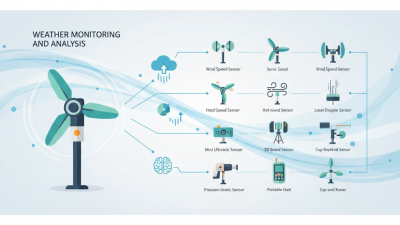
Cup, sonic, and laser sensors each have unique characteristics. Cup anemometers are the most traditional and widely used devices. They consist of three or four cups that catch the wind.
This simple mechanism allows for reliable speed readings but can struggle with extreme conditions. Reports indicate that they can have a 10% error margin in turbulent winds.
Sonic anemometers use sound waves to measure wind speed and direction. They provide real-time data with high accuracy. According to a study by the American Meteorological Society, these sensors have less than 2% error in calm conditions. However, they can be more expensive.
Laser wind sensors are the newest technology. These devices measure wind speed by analyzing light signals. They are incredibly precise but also require more maintenance.
Tip: When selecting an anemometer, consider your specific needs. For casual use, a cup anemometer might suffice. For professional applications, sonic or laser sensors are better suited.
Tip: Regular calibration is important. Outdated sensors can lead to incorrect data. This can affect your weather monitoring significantly.
Wind sensor selection should reflect the intended application and budget. Evaluate trade-offs in accuracy and maintenance when choosing the right device.
Accuracy Metrics: How to Evaluate Wind Speed Sensor Performance
When it comes to evaluating wind speed sensor performance, accuracy metrics play a vital role. Key factors include response time, precision, and calibration methods. A good sensor should respond quickly to wind changes, providing real-time data. However, some sensors may struggle with rapid fluctuations, leading to discrepancies in readings. These inconsistencies can impact overall reliability.
Calibration is another essential aspect. Sensors require regular checks to ensure measurements are correct. Many users underestimate the need for calibration, which might cause prolonged periods of inaccurate data. This can be frustrating and leads to questions about the sensor's reliability. It's crucial to follow the manufacturer's guidelines for calibration frequency.
Additionally, consider the environment where the sensor will be used. Wind patterns can vary greatly depending on location. Some sensors may perform well in calm areas but falter in turbulent conditions. Understanding these nuances can help users select the right sensor for their specific needs. Performance in real-world conditions is always variable and sometimes unpredictable. Thus, testing different models in the field can yield insights that specifications alone might not reveal.
Integration with Weather Stations: Ensuring Data Cohesion and Reliability
Accurate weather monitoring relies heavily on the integration of wind speed sensors with weather stations. This connection ensures a seamless flow of data, allowing for precise weather forecasting.
According to a study from the National Oceanic and Atmospheric Administration, data cohesion between sensors can improve measurement accuracy by up to 30%. This integration is not just a technical necessity; it also enhances the reliability of forecasts that can influence agriculture, aviation, and disaster response.
For example, inconsistent data between wind speed sensors and weather stations can lead to serious miscalculations. A report from the American Meteorological Society noted that mismatched data can cause errors in severe weather alerts, affecting community safety. Users should be aware that not all sensors perform equally, and calibration is essential. Choosing sensors that communicate effectively with existing systems can minimize these discrepancies and improve overall data quality. Careful consideration of sensor specifications and performance reviews is crucial.
Industry Applications: Where Accurate Wind Speed Measurement Matters Most
Accurate wind speed measurement is vital in various industries. For example, in aviation, precise data enhances flight safety. Pilots rely on wind readings during takeoff and landing. A small error can lead to significant consequences. Accurate sensors help ensure successful operations at airports.
In renewable energy, wind farms depend on reliable wind speed data. This information assists in optimizing turbine performance. When wind speed is measured accurately, power generation increases. However, it is challenging to maintain constant sensor reliability. Factors like location and environmental conditions can affect readings.
Agriculture also benefits from precise wind measurements. Farmers use this data for planning pesticide applications. High winds can disperse chemicals unintentionally. An inaccurate sensor can result in crop damage. Therefore, implementing dependable wind speed sensors is critical. These applications highlight the importance of reliability in measuring wind speed. Each industry demands robust solutions to navigate their unique challenges.

 Sensor
 Measuring Instruments
 Measurement Systems
 Architectural Physics Laboratory