What is the Best Thermal Comfort Measuring System for 2026?
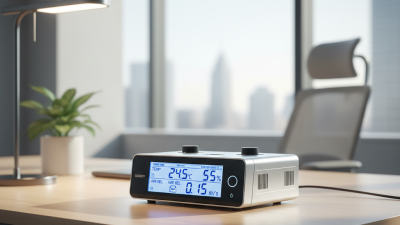
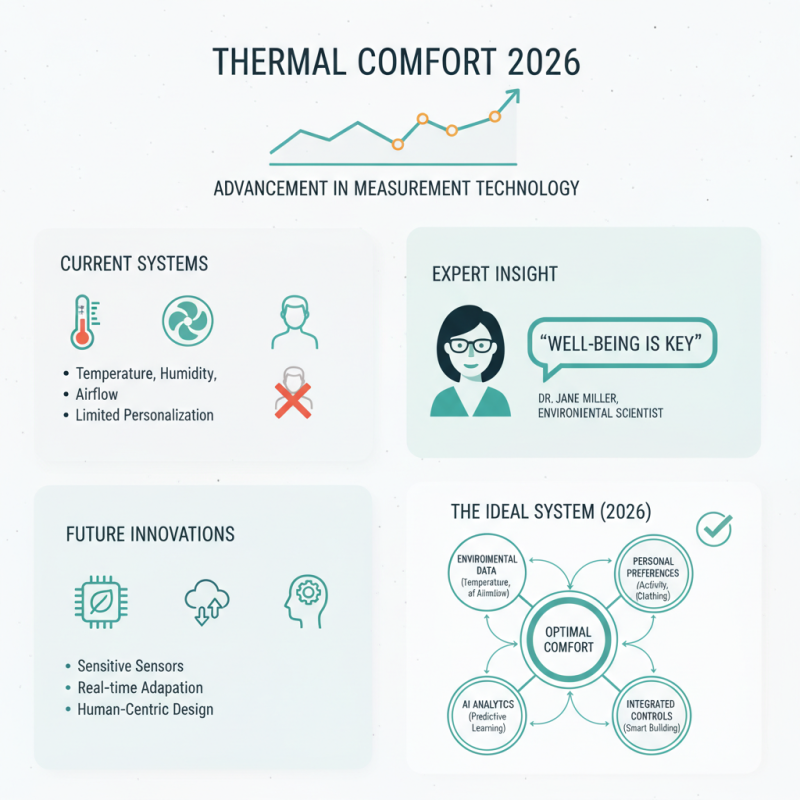
In the quest for optimal indoor environments, the significance of a reliable Thermal Comfort Measuring System cannot be overstated. As we approach 2026, advancements in measurement technology are crucial. Dr. Jane Miller, a renowned expert in environmental sciences, emphasizes, “A precise Thermal Comfort Measuring System is essential for improving occupants’ well-being.”
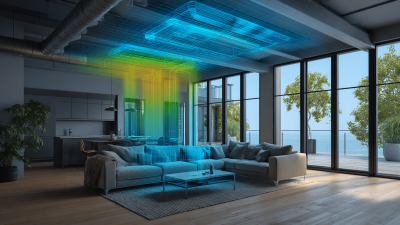
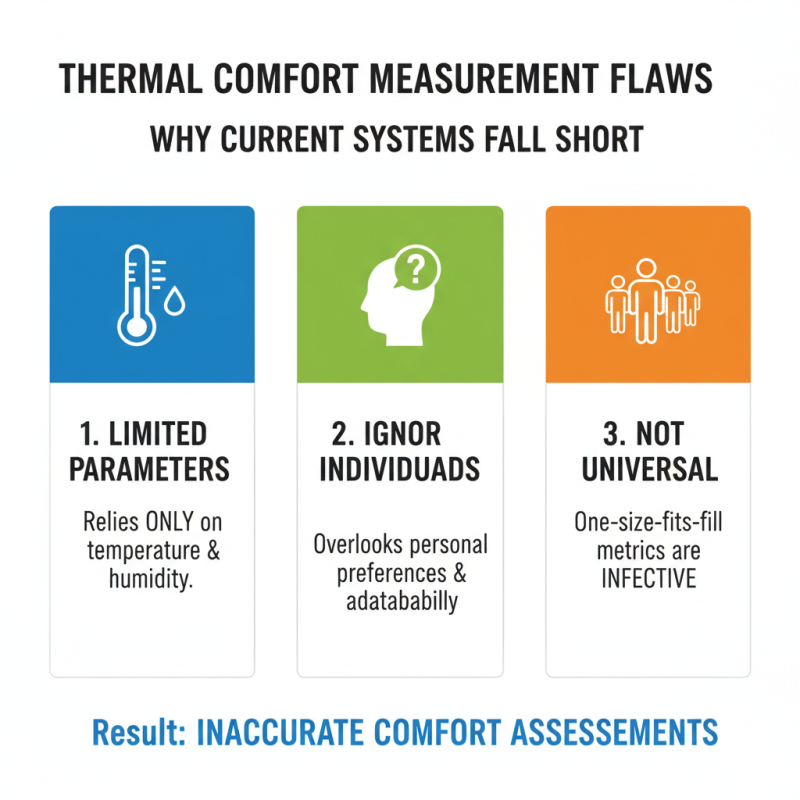
Current systems often overlook individual preferences. A true understanding of thermal comfort requires more than just temperature readings. It involves humidity, airflow, and personal activities. While traditional methods provide some data, they often fail in real-world applications.
As the industry evolves, innovative solutions emerge. Sensors become more sensitive, capturing minute changes in the environment. Yet, reliance on technology can lead to complacency. Striking a balance between advanced systems and practical usage remains a challenge. For the future, the ideal Thermal Comfort Measuring System should account for human factors and environmental variability. There’s much to reflect upon as we aim for a more comfortable built environment.
Overview of Thermal Comfort and Its Importance in 2026
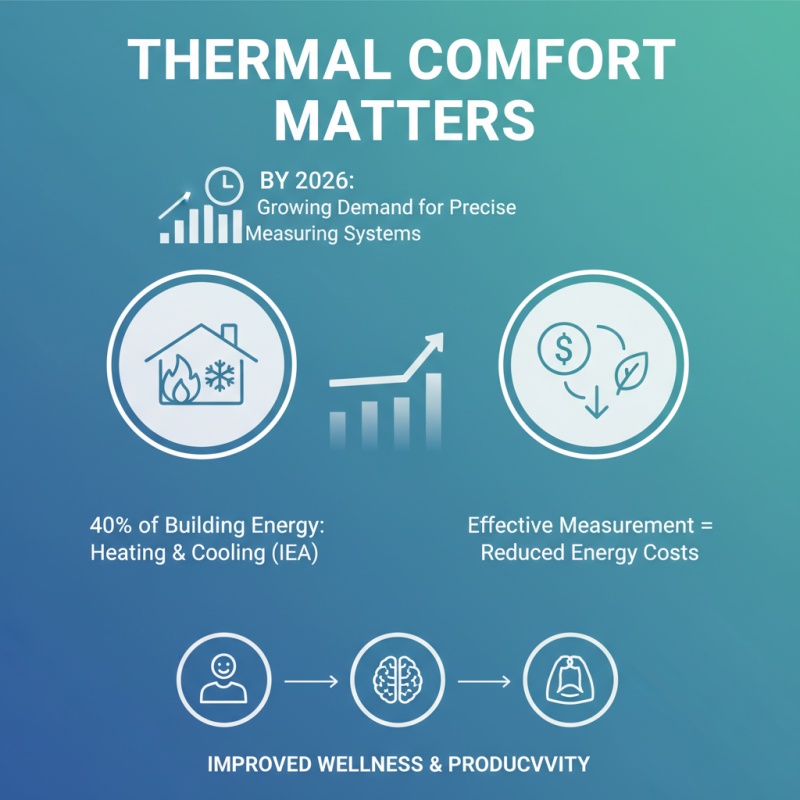
Thermal comfort is crucial in various settings, influencing human productivity and wellness. By 2026, it is expected that the demand for precise measuring systems will grow. According to the International Energy Agency, approximately 40% of energy consumption in buildings is related to heating and cooling. Effective thermal comfort measurements could significantly reduce these energy costs.
In recent studies, 75% of workers reported decreased productivity due to inadequate thermal conditions. A well-maintained thermal environment enhances concentration and comfort, leading to higher output. Yet, many workplaces still neglect these aspects. For instance, temperature variations can impact mood and motivation.
Designers and engineers must reevaluate current practices. The focus should be on adaptive strategies and real-time monitoring systems. Inadequate attention to personal comfort levels can lead to significant losses. As the world evolves technologically, so must our methods of measuring and improving thermal comfort. Embracing innovation is vital, yet it requires continuous reflection and adjustment in our approaches.
Key Features to Look for in 2026 Thermal Comfort Measuring Systems
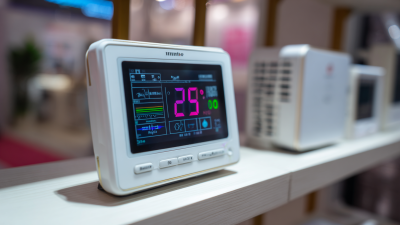
In 2026, the demand for accurate thermal comfort measuring systems will increase. Users will look for specific features to enhance their experience. One key aspect is real-time data collection. Systems that can monitor temperature, humidity, and airflow will be essential. Reliable readings help users make informed decisions about their environments.
Another important feature is user-friendly interfaces. A clear display and easy navigation are crucial. Complex systems can confuse users and lead to frustration. Ideally, the data should be accessible for quick adjustments. Clients might also value customization options. Different environments require different settings. A flexible system can adapt to varying conditions.
Lastly, connectivity with smart home systems will be a game changer. Integration with existing technologies is vital. Users want seamless experiences, not additional complications. Consideration for maintenance and updates is often overlooked. Systems should allow for easy upgrades to remain effective over time. Keeping these factors in mind will shape the future of thermal comfort solutions.
Thermal Comfort Measuring System Features Comparison (2026)
Emerging Technologies Shaping Future Thermal Comfort Assessments
As we approach 2026, the field of thermal comfort assessment is witnessing significant changes. Emerging technologies are redefining how we measure and analyze comfort levels. The rise of wearable devices is one such innovation. These devices can track personal microclimates, responding to an individual's unique thermal preferences. According to a recent industry report, nearly 75% of users prefer dynamic feedback from these tools, suggesting a shift towards personalized comfort assessments.
Another pivotal development is the integration of IoT in building management systems. Smart sensors can continuously monitor temperature, humidity, and airflow. This real-time data allows for swift adjustments in heating and cooling systems. A study indicates that buildings using advanced IoT technology have reported up to 25% energy savings while also improving occupant satisfaction. However, integrating these technologies presents challenges. Data privacy concerns and system interoperability still need addressing for widespread adoption.
Additionally, artificial intelligence is transforming thermal comfort analytics. AI can process vast amounts of environmental data to predict comfort trends. An analysis indicated that AI-driven solutions could enhance prediction accuracy by over 30%. Yet, reliance on algorithms raises questions about the loss of human intuition in assessing comfort. As we move forward, the quest for the perfect thermal comfort measuring system will require a balance between technology and human experience.
Comparative Analysis of Proposed Systems for 2026 Thermal Comfort Measurement
In the quest for optimal thermal comfort, multiple systems are emerging for 2026. Each system proposes unique methodologies for measuring thermal sensations. Some rely on advanced sensors, while others employ human-centered approaches. This diversity reflects the complexity of thermal comfort and individual preferences.
Currently, the use of wearable technology is gaining traction. These devices measure body temperature and humidity in real-time. They promise personalized insights into comfort levels. Yet, their reliance on user participation raises questions. Will everyone be willing to wear them consistently? This could impact the accuracy of collected data.
Another trend involves environmental sensors placed within spaces. They track variations in temperature and airflow. However, such systems can often overlook personal comfort nuances. People have different thermal sensitivities; hence, relying solely on environmental metrics may not be sufficient. Balancing technology and human experience remains a challenge for effective thermal comfort measurement in 2026.

 Sensor
 Measuring Instruments
 Measurement Systems
 Architectural Physics Laboratory