What is the Best Multi-Channel Anemometer for Your Needs?
Selecting the right Multi-Channel Anemometer can be challenging. With various options available, how do you determine which one best meets your needs? These devices measure air velocity and direction across multiple channels, making them essential for many applications. A well-chosen anemometer can significantly enhance the accuracy of your measurements.
Many factors influence the choice of a Multi-Channel Anemometer. Consider the environment where you will use it. For example, outdoor installations may require robust designs that withstand harsh conditions. On the other hand, indoor settings might prioritize compactness and ease of use. Additionally, features like data logging and compatibility with other devices are crucial.
It's also vital to reflect on your experience level. Beginners may struggle with advanced models, while experts might miss out on simpler options that could serve their purpose. This process of selection requires time and thought. Choosing a Multi-Channel Anemometer is not just about features; it’s about understanding your specific needs and making a well-informed decision.
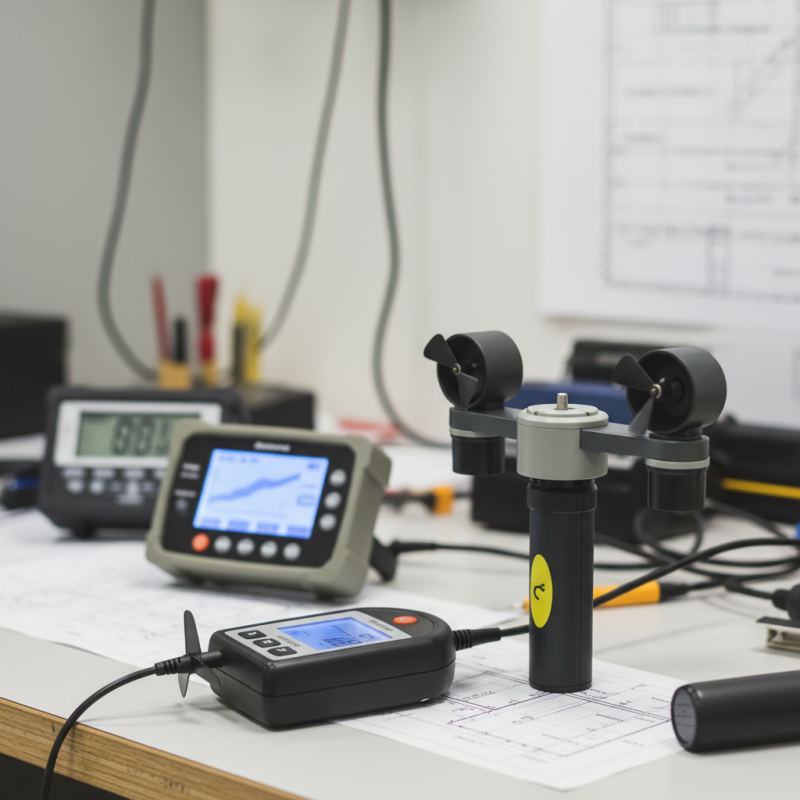
Understanding Multi-Channel Anemometers: Key Features and Benefits
Multi-channel anemometers are essential tools for accurately measuring wind speed and direction across various applications. They offer the advantage of gauging multiple channels simultaneously, which enhances data collection efficiency. Various reports indicate that multi-channel devices can improve measurement precision by up to 30%, making them invaluable for researchers and industry professionals alike.
Key features of these anemometers include advanced sensor technology, digital displays, and connectivity options. A recent study by the Meteorological Society found that devices with wireless capabilities increase workflow efficiency, enabling real-time data access. Furthermore, durability and ease of use remain critical factors that users must consider. It is common to overlook maintenance needs, which can lead to inaccurate readings.
Tips: Regularly calibrate your anemometer to ensure accuracy. Check battery levels to prevent data loss during fieldwork. When comparing models, prioritize features that align with your specific requirements. Remember, the right device aligns with your unique environment and measurement goals. A thoughtful evaluation of your needs will ultimately guide you to the best multi-channel anemometer.
What is the Best Multi-Channel Anemometer for Your Needs?
| Model |
Number of Channels |
Measurement Range (m/s) |
Accuracy (%) |
Display Type |
Battery Life (hours) |
| Model A |
4 |
0-30 |
±2 |
LCD |
20 |
| Model B |
6 |
0-50 |
±3 |
OLED |
15 |
| Model C |
2 |
0-25 |
±1.5 |
LCD |
25 |
| Model D |
8 |
0-40 |
±2.5 |
TFT |
30 |
Types of Multi-Channel Anemometers: Which One Suits Your Application?
When selecting a multi-channel anemometer, it is essential to understand the different types available. Common varieties include thermal, vane, and pitot tube anemometers. Each type serves distinct applications based on airflow conditions and measurement requirements.
Thermal anemometers excel in low-speed airflows, measuring temperature and velocity with precision. Their design allows for quick response times, making them ideal for HVAC assessments.
Vane anemometers, on the other hand, are suitable for measuring higher speed airflows. They operate using a rotating blade that captures wind direction and speed. Reports indicate that these devices are prevalent in industrial settings, where airflow measurements significantly impact operational efficiency.
According to a recent industry survey, 25% of professionals prefer vane anemometers for their accuracy in turbulent environments.
Pitot tube anemometers are widely used in aerodynamics and fluid mechanics. They measure fluid flow velocity through pressure differentials, needing careful calibration.
However, they can be challenging to use due to the need for correct alignment. This can lead to errors if not managed properly. Understanding these subtleties aids in choosing the right anemometer for specific applications, ensuring accurate and reliable results.
Accuracy Standards for Anemometers: What to Look For in Specifications
When selecting a multi-channel anemometer, understanding accuracy standards is crucial. Accuracy affects how well you can measure wind speed and direction. Look for specifications that detail error margins. A small error margin often indicates higher precision. Ideally, you want an anemometer with less than 5% error at various speeds.
Consider the conditions in which you'll use the anemometer. Some devices perform better in specific environments. If you're working in turbulent winds, choose a model designed for such conditions. Note the calibration standards mentioned in the specifications. Compliance with recognized standards enhances reliability and consistency in readings.
Don't overlook factors like response time and sampling rate. Quick response times are critical for dynamic settings. A high sampling rate ensures you capture rapid changes in wind patterns. However, higher specs might mean more complexity. Always weigh the need for precision against your user experience. Sometimes, simplicity can lead to more reliable everyday use.
Multi-Channel Anemometer Accuracy Comparison
This bar chart compares the accuracy of various multi-channel anemometers based on their specifications. Each model is evaluated on its reported accuracy in percentage, measured under standard testing conditions.
Comparative Analysis: Top Multi-Channel Anemometers in 2023
When selecting a multi-channel anemometer, it's vital to consider key features. The best models offer multiple measurement channels, allowing for simultaneous wind speed and direction readings. This feature is beneficial for various applications, such as meteorological studies and environmental monitoring.
In 2023, several anemometers have gained attention for their performance and reliability. Users report that models with high sensitivity provide accurate readings even in low wind conditions. Battery life is another critical aspect. Some units perform well but struggle with battery longevity, leading to operational interruptions.
Evaluating design is essential too. Compact and lightweight models are easier to transport, while rugged designs ensure durability in harsh conditions. However, some users find that advanced features come at the expense of user-friendly interfaces. Balancing sophistication with accessibility is crucial for enhancing user experience.
Cost Considerations: Budgeting for a Quality Anemometer Purchase
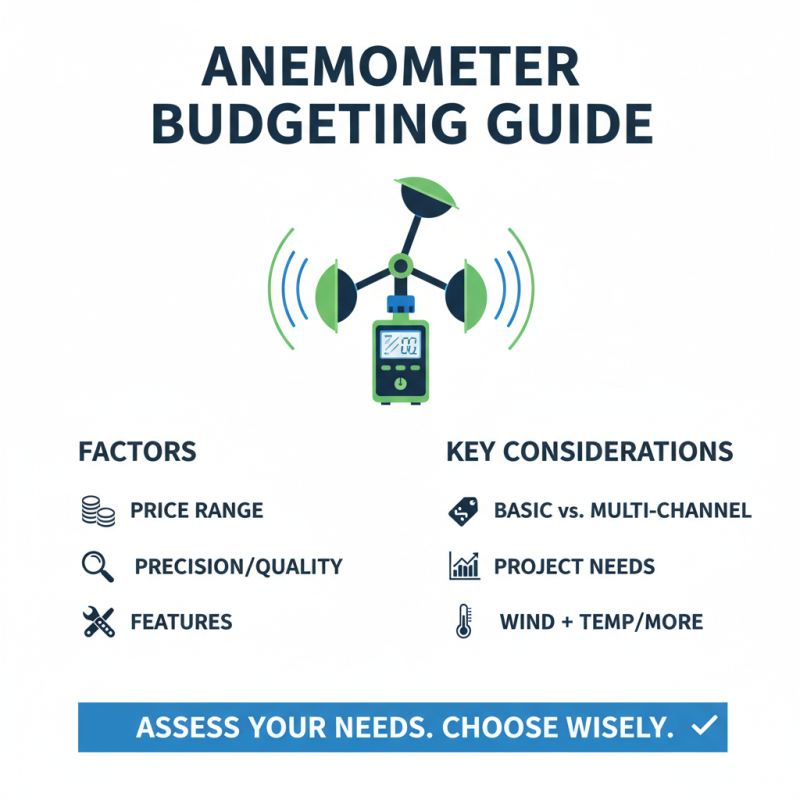
When budgeting for a quality anemometer, it's essential to consider several factors. Multi-channel anemometers come with a range of features and prices. Basic models may be affordable, but they might lack the precision needed for serious projects. Assess your specific needs before making a decision. Will you primarily measure wind speed, or do you require additional features like temperature readings? The answer will guide your budget.
Quality usually comes at a price, yet it doesn’t always mean you should overspend. Researching alternatives can yield beneficial insights. Sometimes, professionals overlook additional costs like calibration or replacement parts. These can add to the initial price. Consider tools that offer good value for money, not just the lowest price. Seek out peer reviews and expert opinions for reliable recommendations.
Remember, your choice of anemometer can impact the accuracy of your work. A cheaper device might seem tempting, but it could lead to unreliable data. Reflect on how that misinformation might affect your projects. Investing the right amount at the outset often saves trouble later. Understanding what you truly need is crucial for an informed purchase decision.

 Sensor
 Measuring Instruments
 Measurement Systems
 Architectural Physics Laboratory