2026 Best Artificial Sky Innovations and Their Impact on Design?
The concept of "Artificial Sky" is gaining momentum in the design world. It blends innovation with aesthetics, pushing the boundaries of what we perceive as natural light. The year 2026 promises exciting advancements in this field.
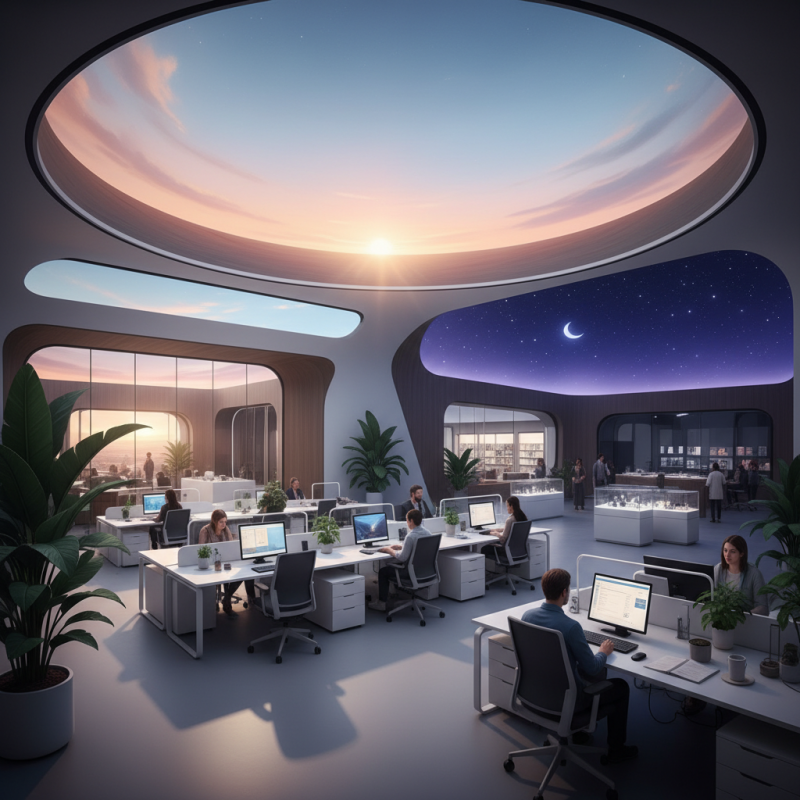
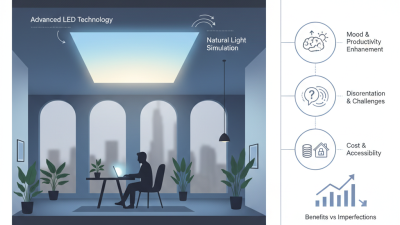
These innovations offer more than just beauty. They influence mood, productivity, and even well-being. Imagine a workspace where the ceiling mimics a serene sunrise. Or a retail environment that transforms from day to night through dynamic lighting. Such designs invite us to rethink our connections with environments.
Yet, challenges remain. How do we balance creativity with practicality? Can Artificial Sky truly replace the charm of natural conditions? These questions linger as we explore the evolving impact of these designs. They reflect our desire for control in nature, but at what cost? The journey of Artificial Sky invites us to ponder deeper implications in design and society.
2026 Overview of Artificial Sky Technologies in Architecture Design
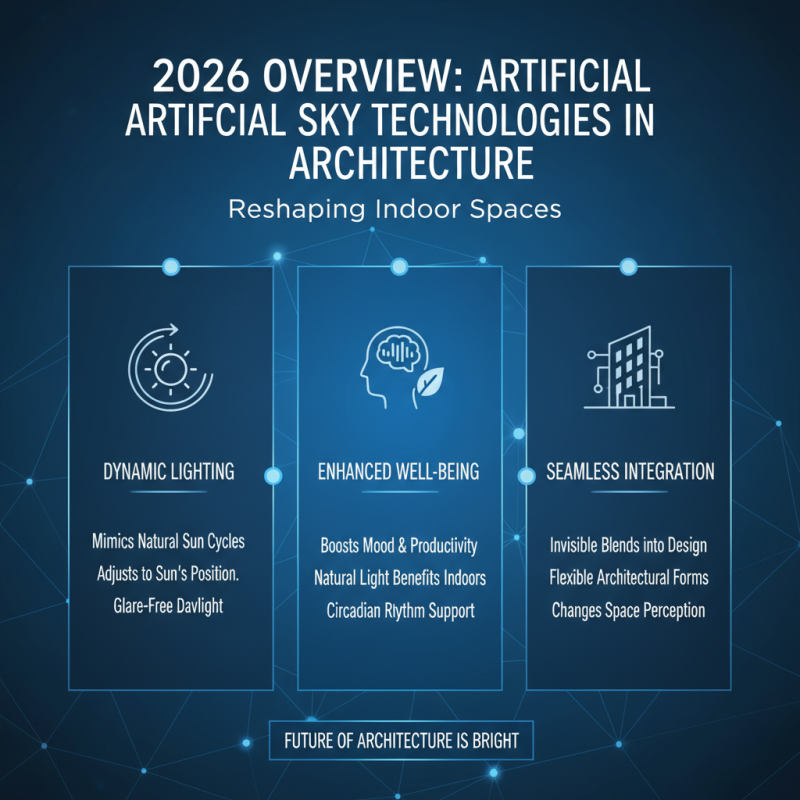
The realm of artificial sky technologies is rapidly evolving, reshaping architectural designs for 2026. These innovations allow architects to create dynamic spaces that mimic natural light, enhancing mood and productivity. Structures can feature skylights that adjust to the sun's position, offering daylight without glare. This technology blends seamlessly into buildings, changing perceptions of indoor spaces.
Consider incorporating artificial sky technologies to improve user experience. Think about how light affects emotions. Warm hues during the day can enhance creativity, while cool tones in the evening promote relaxation. During the design phase, test various setups to find what works best for your space. Gather feedback on how different light conditions affect occupants.
Remember that these innovations may have drawbacks. High costs can be a concern. It’s crucial to assess long-term benefits versus initial investment. Furthermore, consider maintenance needs. Will the technology require frequent upgrades? Balance these factors to ensure your design remains practical and effective. Exploring these new horizons can lead to exceptional architectural achievements.
Key Innovations in Artificial Sky Systems Shaping Urban Landscapes
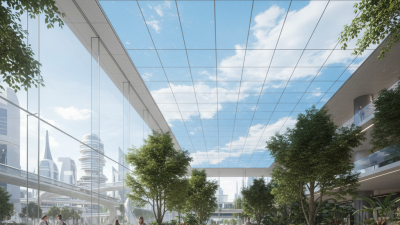
Artificial sky systems are gaining traction in urban design. These innovations transform how we perceive and interact with our surroundings. By simulating natural daylight and weather patterns, they create more vibrant urban spaces. Cities increasingly incorporate these systems into public squares, shopping centers, and residential areas.
Tips: Consider using natural elements in your designs. Blend artificial skies with greenery for a calming effect.
Some designs, however, may miss the mark. Overly bright lights can create discomfort. When using artificial skies, balance is essential. The right hues and intensity should mimic true daylight.
Tips: Test different settings before implementation. Gather feedback from users to improve designs.
As we innovate, we must reflect on user experience. Artificial skies should enhance our connection to the environment. Always consider how these changes affect community life and wellbeing.
Impact of Artificial Skies on Environmental Sustainability in Design
Artificial skies are changing design landscapes. They blend natural elements with technology. This innovation aims to enhance environmental sustainability. Imagine cities where buildings mimic the sky, improving energy efficiency.
These artificial canopies can reduce heat absorption. They might offer natural light, lowering electricity use. Yet, the materials used need careful consideration. Are they recyclable? Do they pollute? Designers must ask these questions.
Tips: Always research the environmental impact of materials. Consider local ecosystems when implementing designs. Engage with communities to gather feedback on artificial sky designs. Balancing aesthetics with sustainability is crucial.
Market Trends: Adoption Rates of Artificial Sky Innovations in 2026
As we approach 2026, artificial sky innovations increasingly capture the design industry's attention. Reports indicate that adoption rates could reach nearly 35% in architectural projects. More designers recognize the value of simulated skies for enhancing natural light in spaces. This trend is particularly strong in urban settings where natural light is scarce.
Several factors influence this growing acceptance. The technology improves the aesthetic appeal and mood of interiors. Many users report a more pleasant atmosphere in spaces utilizing artificial skies. Additionally, the energy efficiency of these systems is noteworthy. In fact, studies show they can reduce energy consumption by up to 20%. Nonetheless, challenges remain regarding cost and integration into existing designs.
Tips: When considering artificial sky technology, explore local regulations and installation requirements. Collaboration with experts in this field is crucial for maximizing benefits. Remember that user experience should guide innovations. Failing to align with real needs can lead to wasted investments. Recognizing these aspects is vital as we move forward in this evolving market.
2026 Adoption Rates of Artificial Sky Innovations
Case Studies: Successful Projects Utilizing Artificial Sky Technologies
Artificial sky technologies have transformed architectural design in recent years. They offer the ability to simulate natural lighting and weather conditions indoors. One notable case study involved a public library that integrated an artificial sky in its reading areas. The effect created a calming atmosphere for readers. However, some feedback pointed out that not all users appreciated the artificial light quality.
Another interesting example is a contemporary art gallery that used adjustable skylights. This technology allowed for changing light conditions based on the exhibitions. It enhanced the artwork's visibility during different times of the day. Yet, some critics felt that this could be distracting. They argued that it sometimes overshadowed the artwork itself.
These case studies illustrate the potential of artificial sky innovations. Designers and architects are challenged to balance technology with user experience. The results can be stunning, but the nuances need careful consideration. It’s a learning journey where successes and shortcomings coexist.

 Sensor
 Measuring Instruments
 Measurement Systems
 Architectural Physics Laboratory