What is an Air Velocity Sensor and How Does it Work?
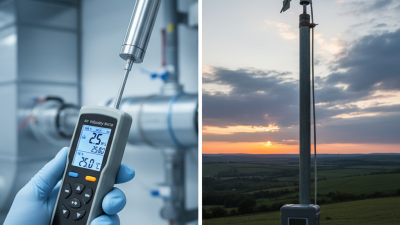
An Air Velocity Sensor is a pivotal instrument used in various applications. It measures the speed of air in different environments, including industrial settings and HVAC systems. Understanding how this sensor works can enhance efficiency and safety.
These sensors are designed based on different principles such as thermistors or anemometers. Depending on the design, they can provide accurate readings of air movement. This accuracy is crucial for processes like ventilation and climate control. However, not all sensors are created equal. Factors like calibration and placement can affect their reliability.
Incorporating an Air Velocity Sensor into a system opens opportunities for improved air quality and energy conservation. Yet, it requires careful consideration of installation and maintenance. Relying solely on technology without understanding its limitations can lead to misunderstandings of the data it provides. In the end, the effectiveness of an air velocity sensor lies in its application and the expertise of the user.
What is an Air Velocity Sensor: Definition and Purpose
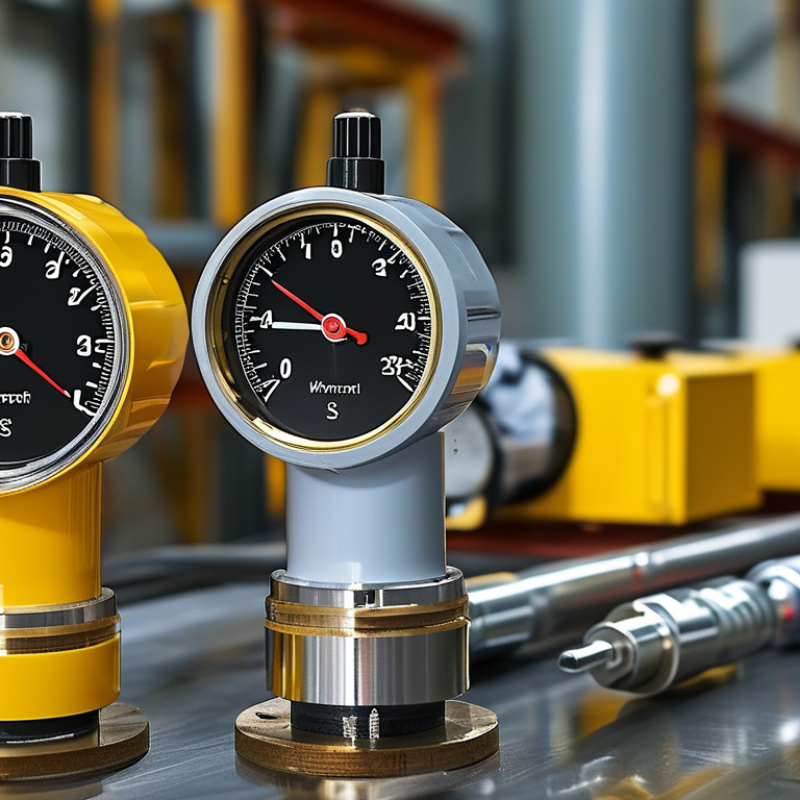
Air velocity sensors play a crucial role in various applications. They measure the speed of air in different environments. These sensors are vital in HVAC systems, industrial processes, and environmental monitoring. Their primary purpose is to ensure optimal air flow and maintain air quality.
Air velocity sensors operate based on different principles. Some use the anemometer method, while others rely on thermal detection. In simple terms, they detect how fast air is moving past a specific point. This information can be critical for adjusting fan speeds or optimizing energy use. The data collected also helps in preventing issues like overheating or poor air quality.
However, not all air velocity sensors perform equally. Factors like placement, calibration, and environmental conditions can affect their accuracy. Users often need to regularly check and maintain these devices. Over time, some sensors can drift out of calibration, leading to unreliable readings. This is a reminder of the importance of understanding equipment limitations. Regular maintenance practices can enhance reliability and extend the life of these sensors.
Types of Air Velocity Sensors: An Overview of Common Technologies
Air velocity sensors play a crucial role in various applications. They help monitor airflow in HVAC systems, industrial processes, and more. Understanding the technology behind these sensors is essential.
Two common types of air velocity sensors are hot-wire and pitot tube sensors. Hot-wire sensors measure the cooling effect of air flowing past a heated wire. As air passes, it cools the wire, and the temperature change indicates the air velocity. This method is highly sensitive, making it suitable for low airspeed detection.
Pitot tube sensors work differently. They use a tube with two openings to measure pressure differences. One opening faces the airflow, while the other is perpendicular to it. The pressure difference provides an accurate reading of air velocity. This technology is widely used in aviation and meteorology.
Tips: When using air velocity sensors, consider the environment. High humidity or dust can affect readings. Regular maintenance of these sensors ensures their reliability. Also, keep calibration in mind; it's essential for accurate measurements to maintain performance over time. A small error can lead to significant issues. Always take time to reflect on your sensor selection and usage.
Principles of Air Velocity Measurement: How Sensors Operate
Air velocity sensors are essential for measuring airflow in various applications. These sensors work on different principles, each suited for specific environments. One common method is the use of a pitot tube. This device measures the difference between static and dynamic pressure. It provides accurate readings of airflow speed.
Another principle involves thermal anemometry. This technique uses a heated wire. As air passes over the wire, it cools down. The rate of cooling depends on the air velocity. By measuring the temperature change, the sensor can calculate the airflow speed. These methods showcase the diverse technologies available for air velocity measurement.
Despite their accuracy, these sensors may have limitations. Environmental factors can affect their performance. For instance, dust and moisture may hinder readings. Additionally, calibration is crucial for reliable data. Failing to calibrate can lead to significant errors. Users must regularly check their sensors to ensure reliability in measurements.
Applications of Air Velocity Sensors in Industry: Key Use Cases
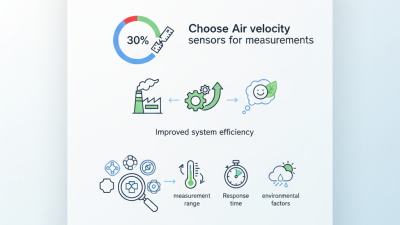
Air velocity sensors are crucial in various industrial applications. In manufacturing, they monitor airflow in ventilation systems. Proper airflow ensures a safe work environment. According to a recent industry report, an air velocity sensor can enhance energy efficiency by up to 30%. This significant improvement lowers operational costs.
In HVAC systems, these sensors optimize performance. They measure airspeed to adjust fan speeds automatically. This response not only increases comfort but also reduces energy consumption. The global HVAC market is expected to reach $200 billion by 2026, highlighting the growing reliance on such technologies.
Automotive industries use air velocity sensors too. They help in monitoring air intake and exhaust. Precise measurements enable better fuel efficiency. Recent studies indicate that optimizing air velocity can improve vehicle performance by 15%. The continuous advancement of sensor technology promises more innovations. However, the integration of these sensors involves challenges, including calibration inaccuracies. This aspect warrants further attention as industries adopt smarter solutions.
Benefits of Accurate Air Velocity Measurement: Impact on Efficiency and Safety
Accurate air velocity measurement plays a crucial role in various industries. It affects efficiency and safety directly. An air velocity sensor provides precise readings, which are vital for optimizing HVAC systems. These systems rely on proper air circulation. Accurate measurements can reduce energy consumption. This leads to cost savings for businesses.
In manufacturing, airflow is essential for maintaining product quality. Too much or too little air can cause defects. Sensitive environments, like clean rooms, require strict air management. Here, air velocity sensors help maintain standards. However, improper installation or poor calibration can yield unreliable data. Regular maintenance is necessary to prevent this.
In workplaces, safety is a priority. Proper air velocity ensures the removal of harmful airborne pollutants. Inadequate airflow can lead to health issues for employees. Measuring air velocity is not just a technical necessity, it is a health safeguard. Ensuring good air quality enhances overall productivity. Yet, reliance on automated sensors can lead to complacency. Regular checks and human oversight are essential.

 Sensor
 Measuring Instruments
 Measurement Systems
 Architectural Physics Laboratory